


NTC Learning at Savremena: Dr Vuk Rajović Shows Students How to Learn More Easily
Sofija Radivojevic / / Blog / November 4, 2026
NTC Learning at Savremena: Dr Vuk Rajović Shows Students How to Learn More Easily
Through an engaging geography lesson, students discovered NTC learning techniques and explored practical ways to understand, connect and remember new information.
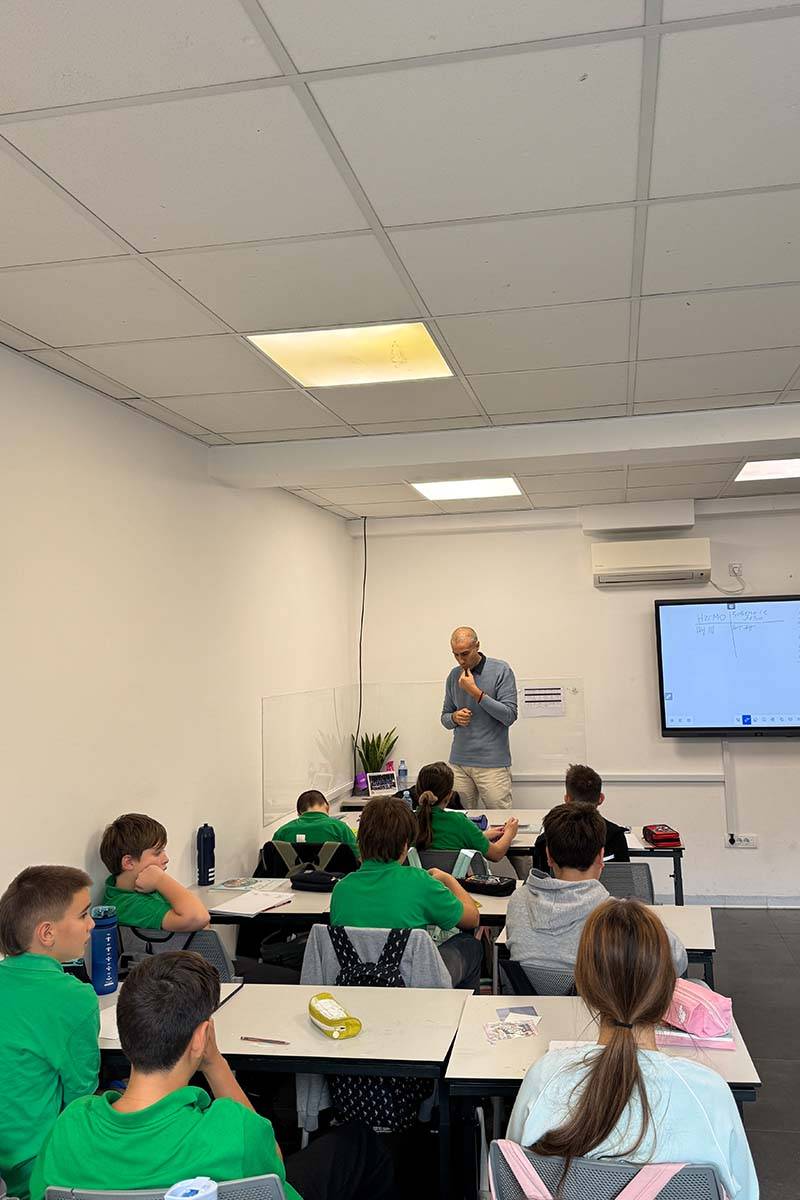
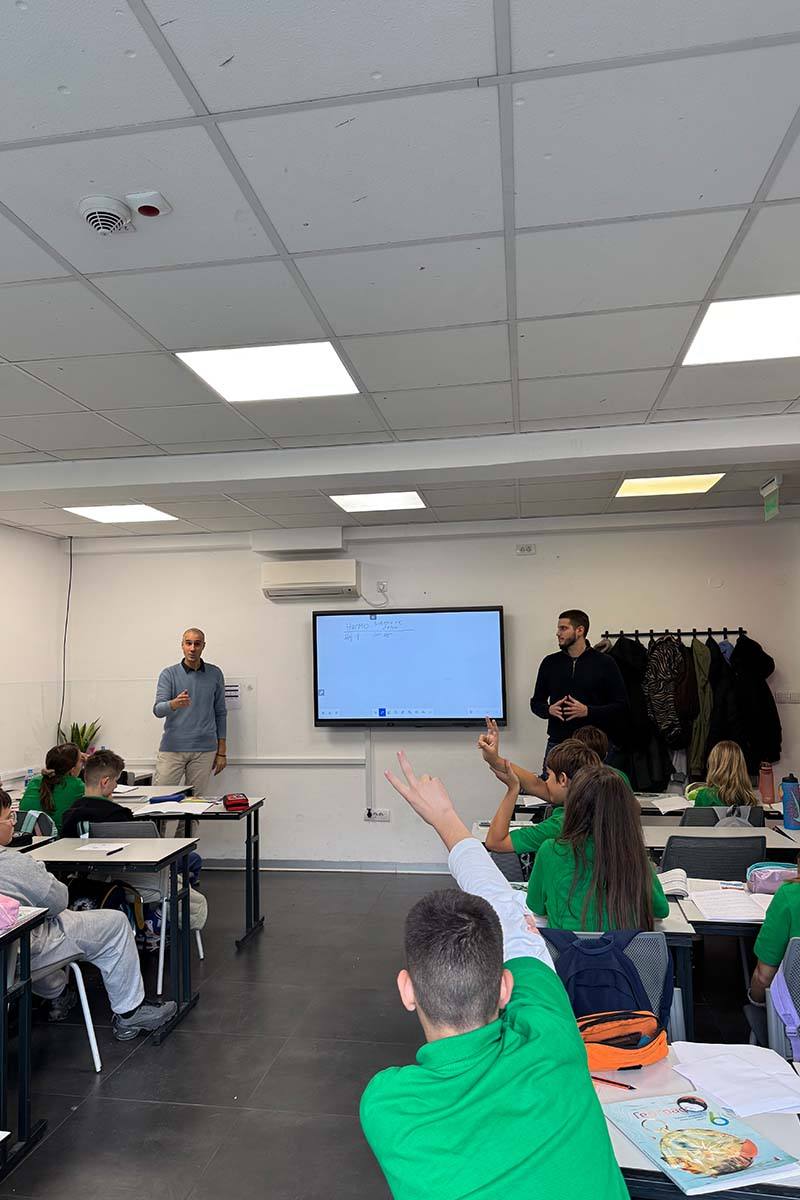
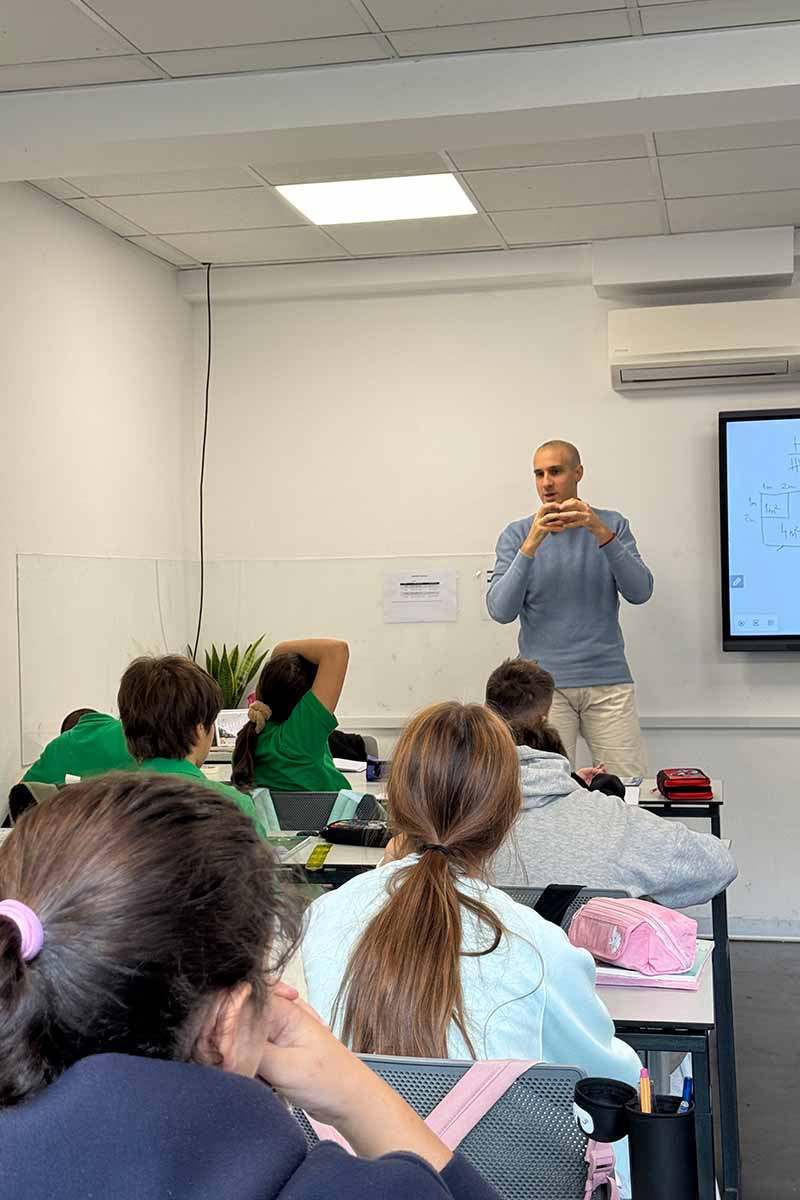
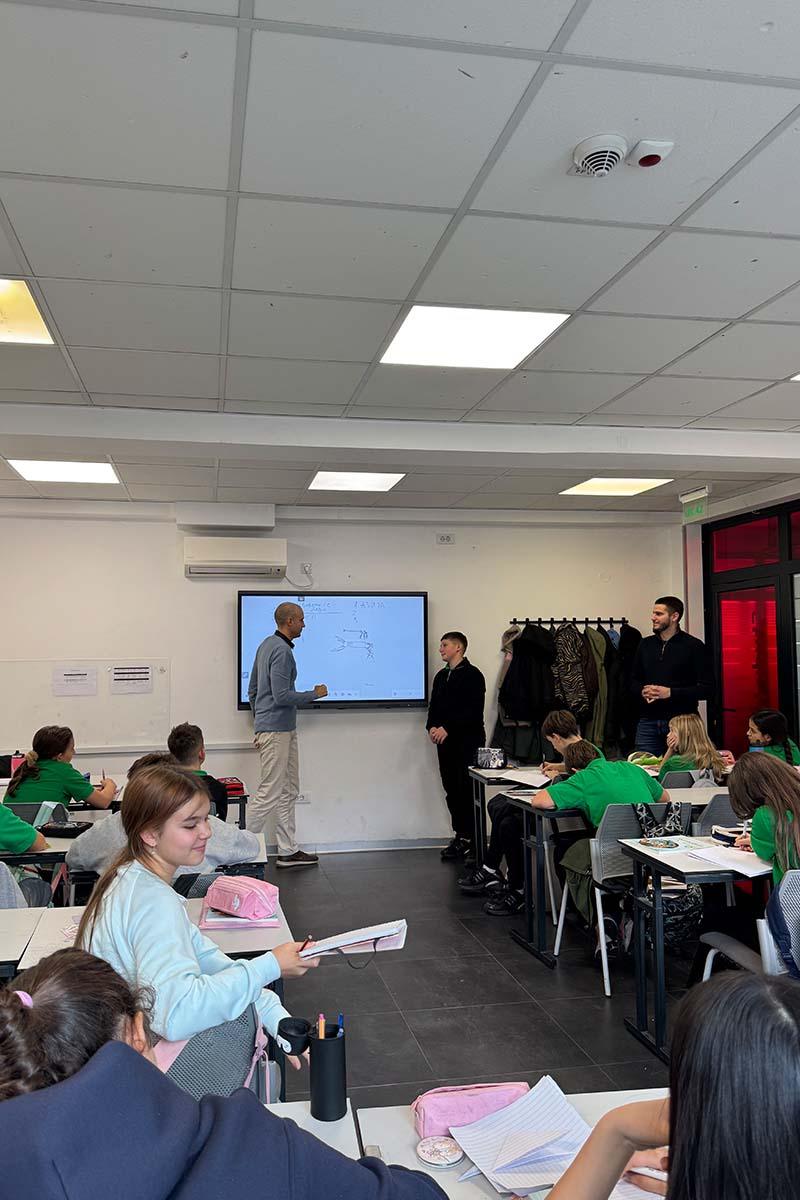
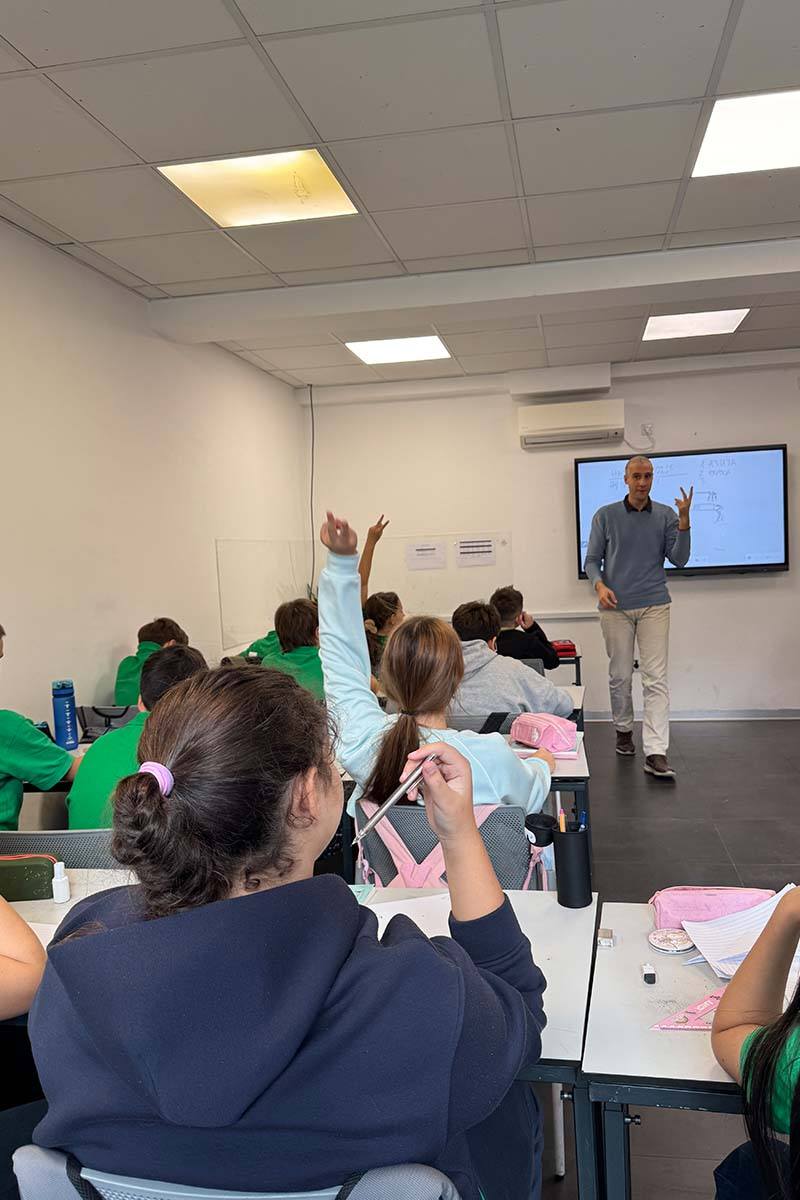
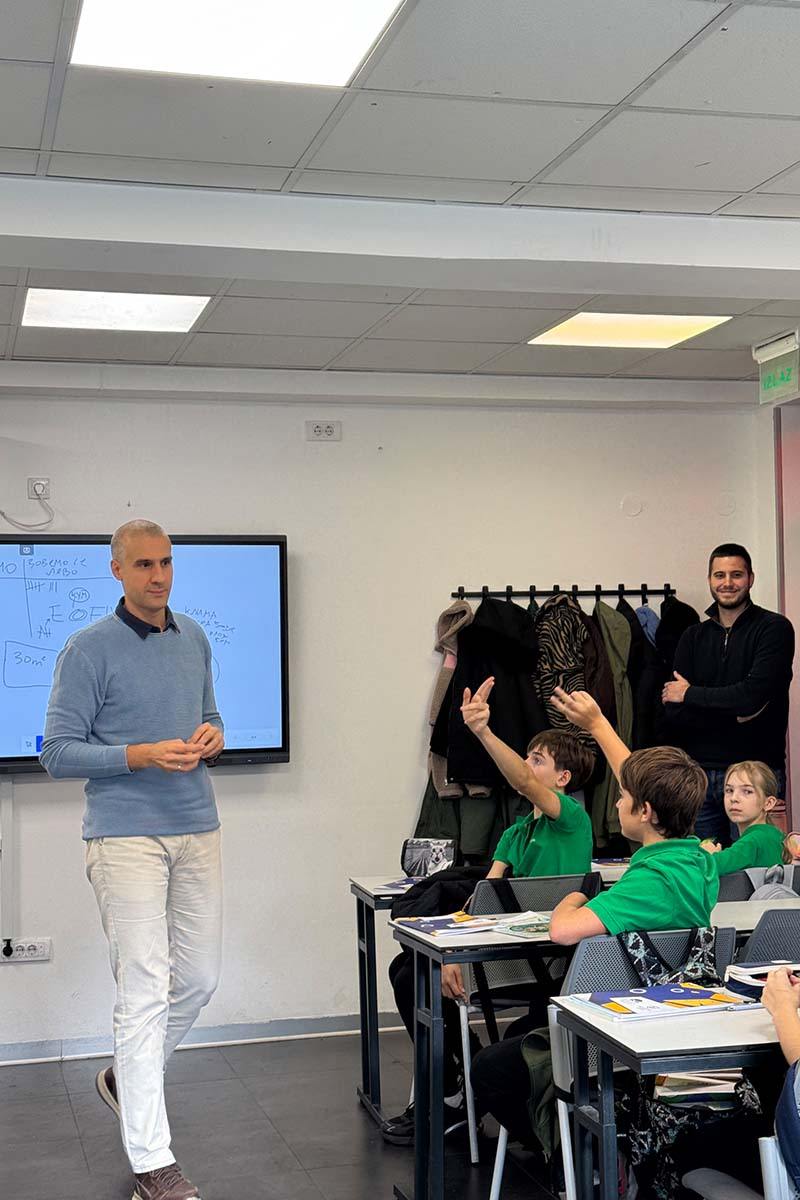
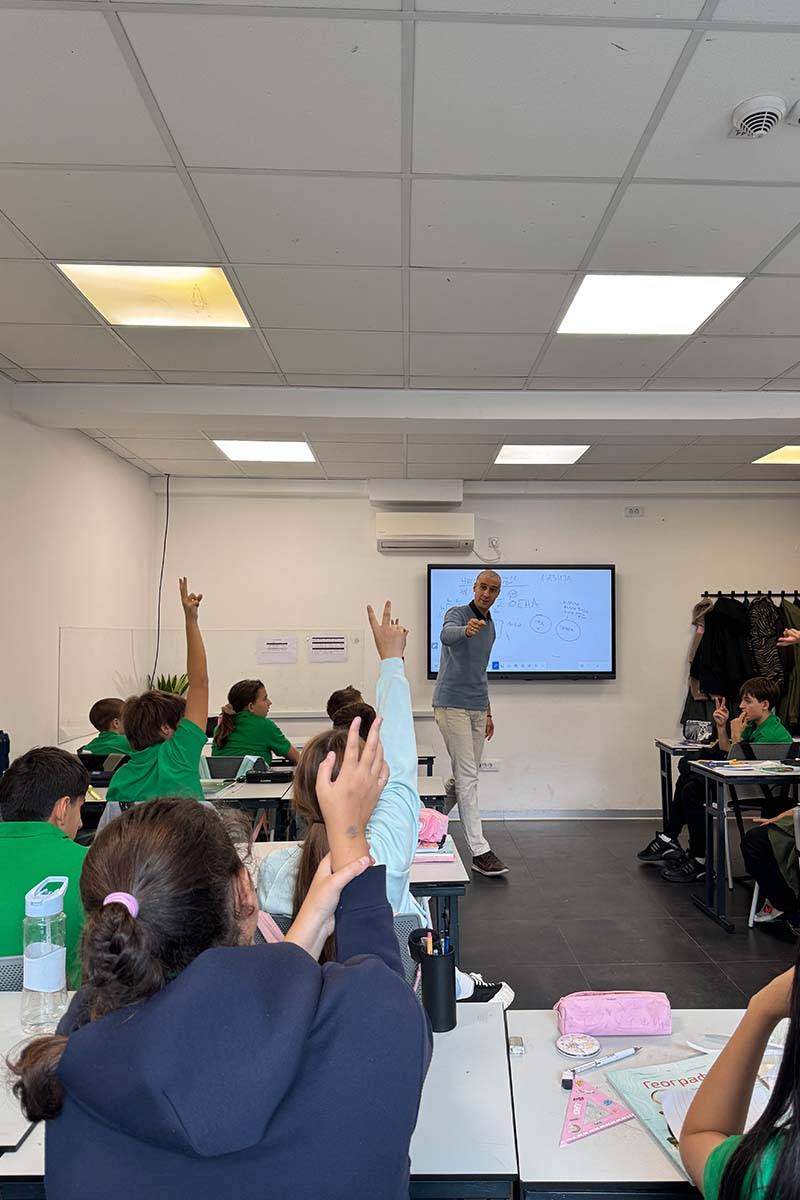
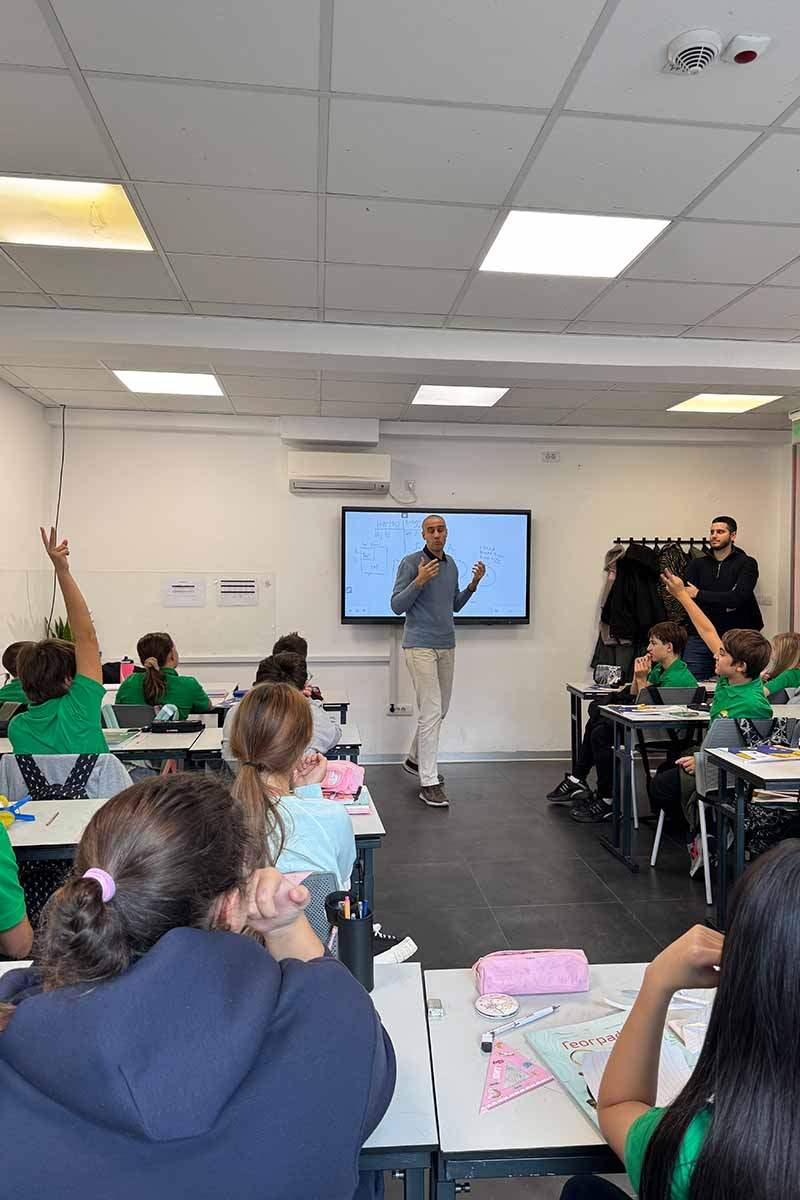
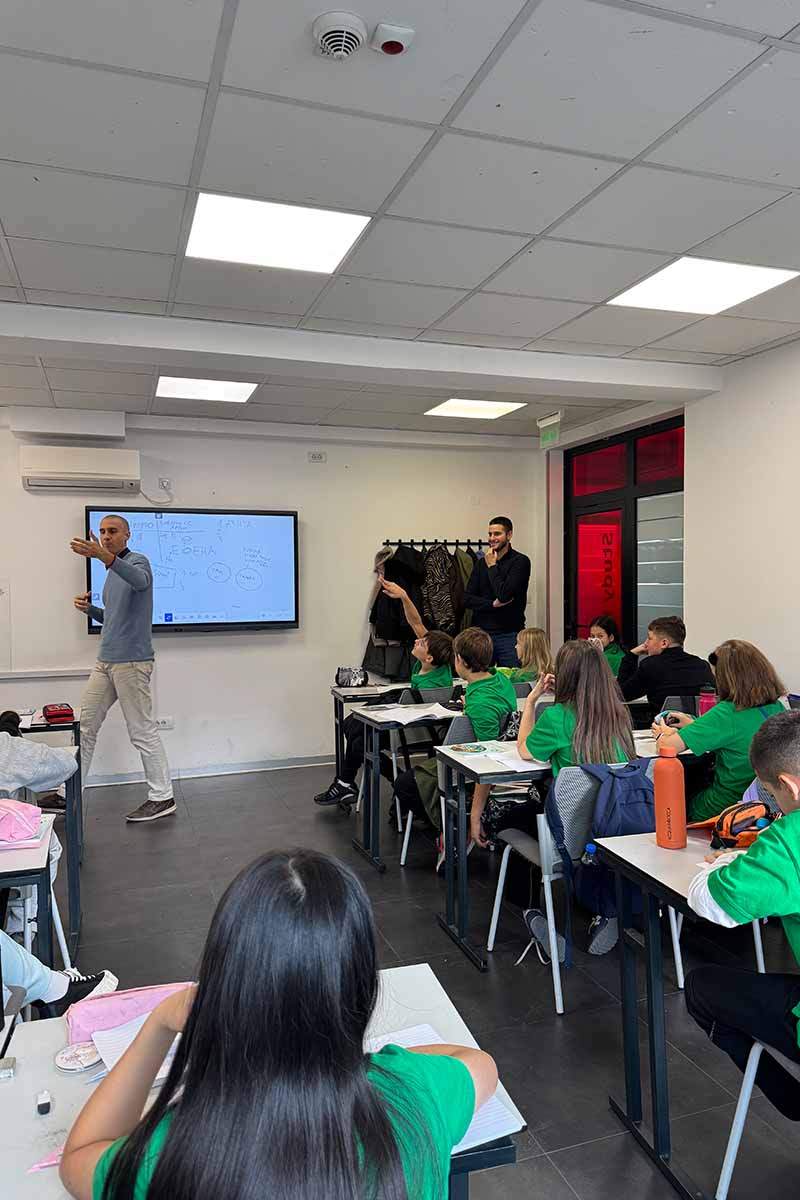
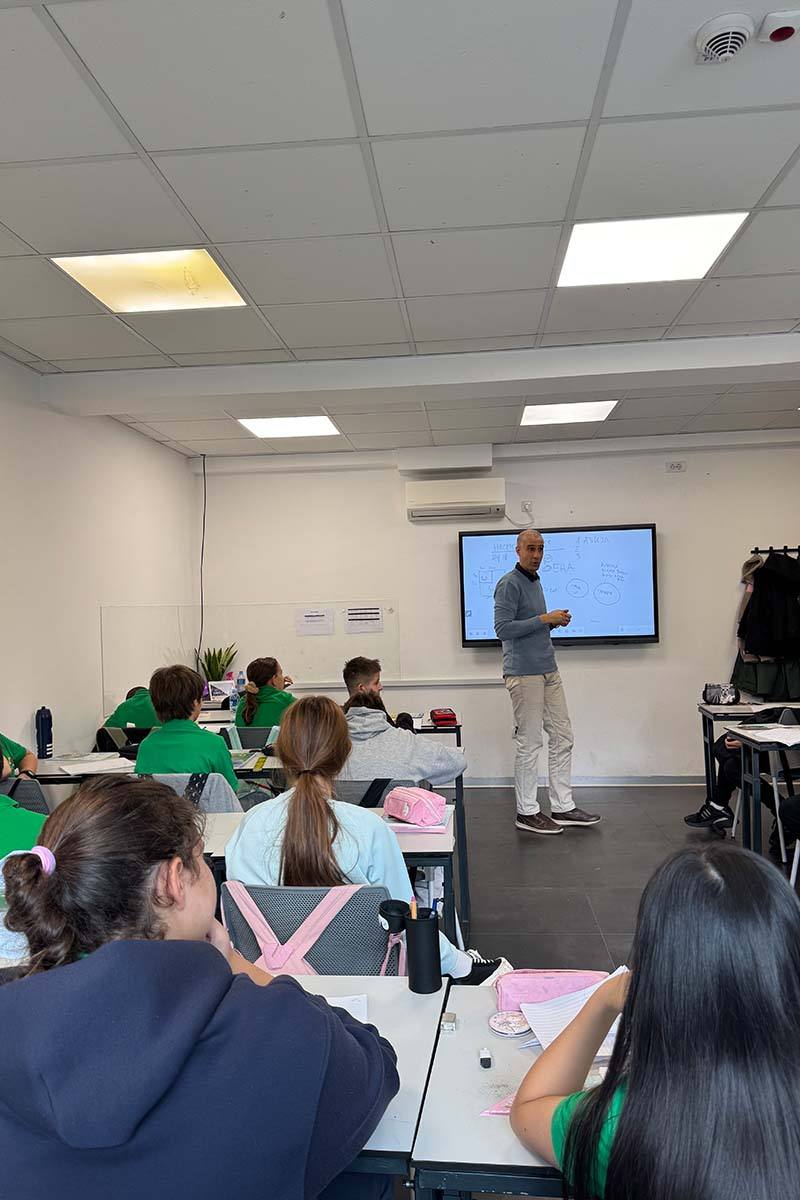
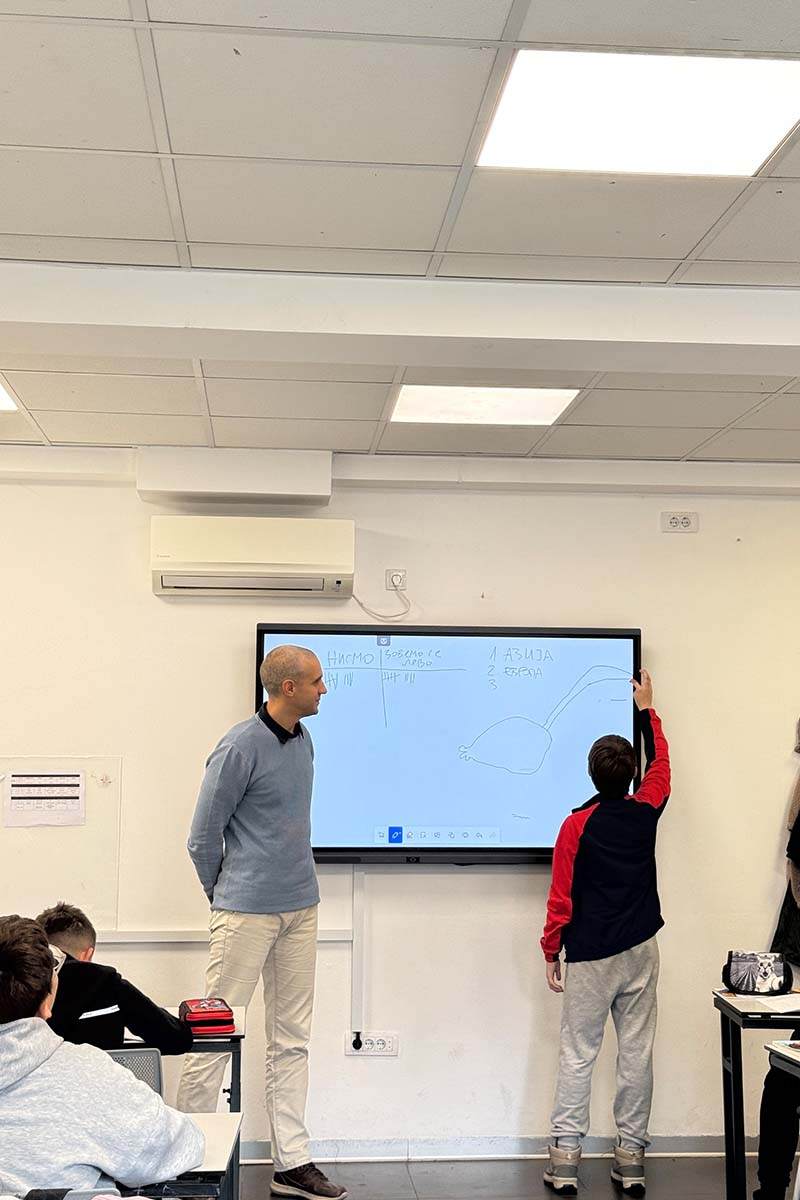
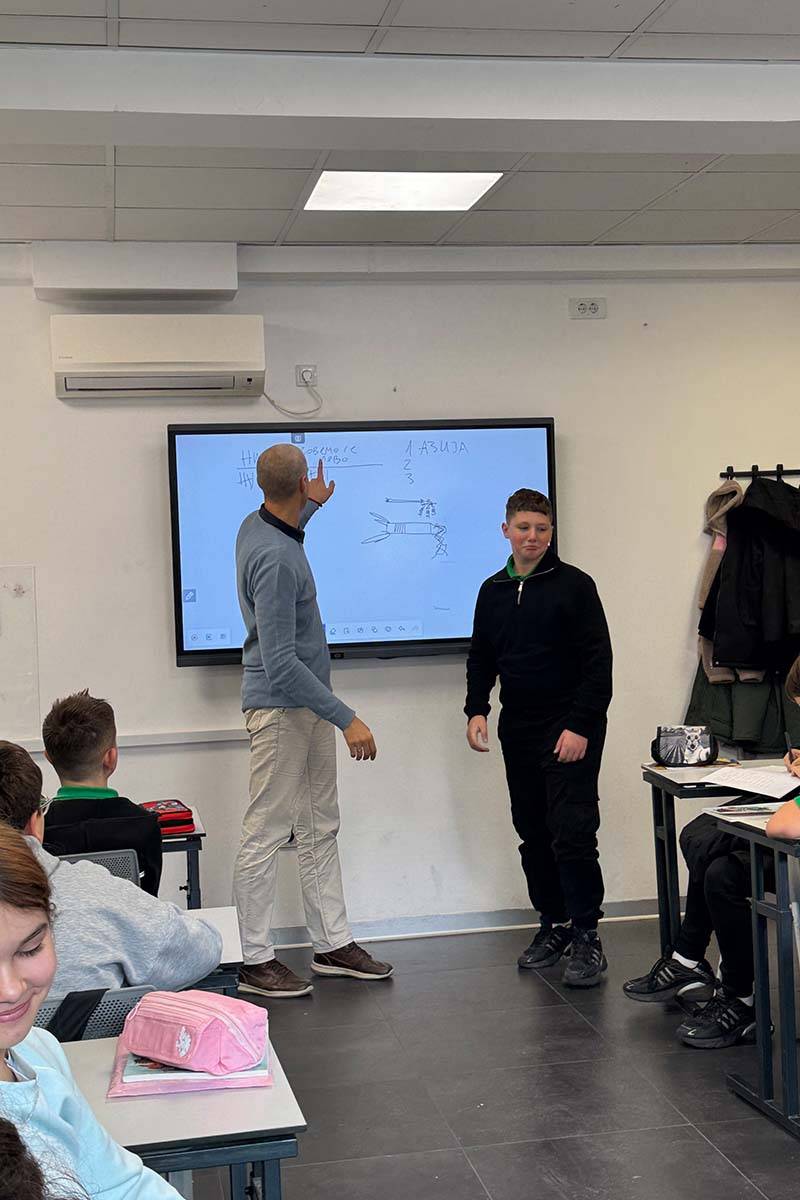
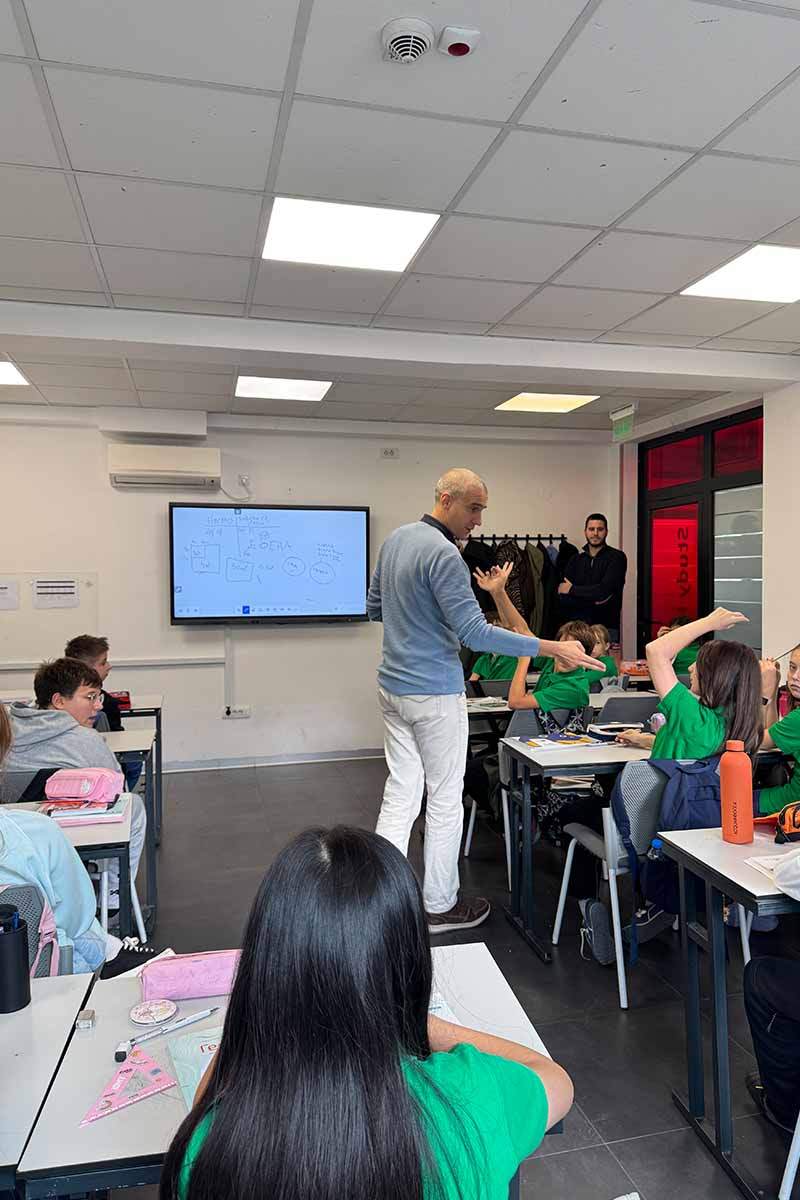
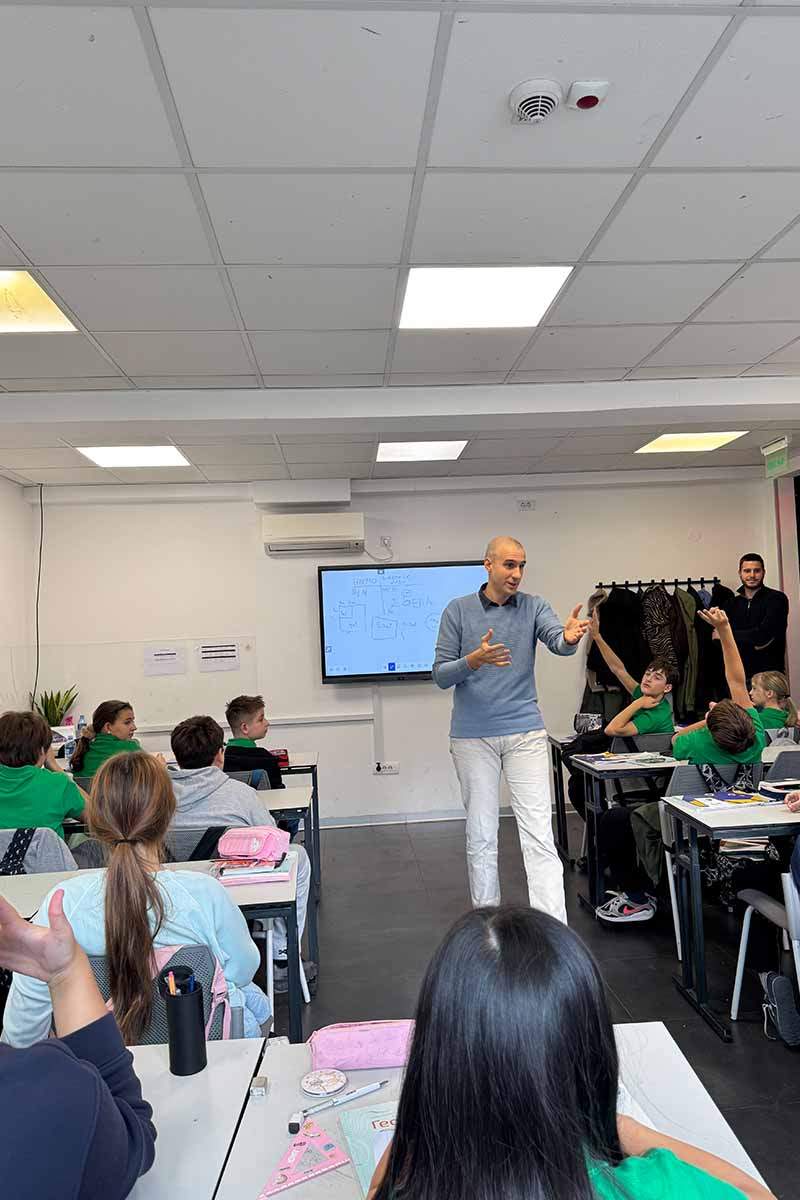
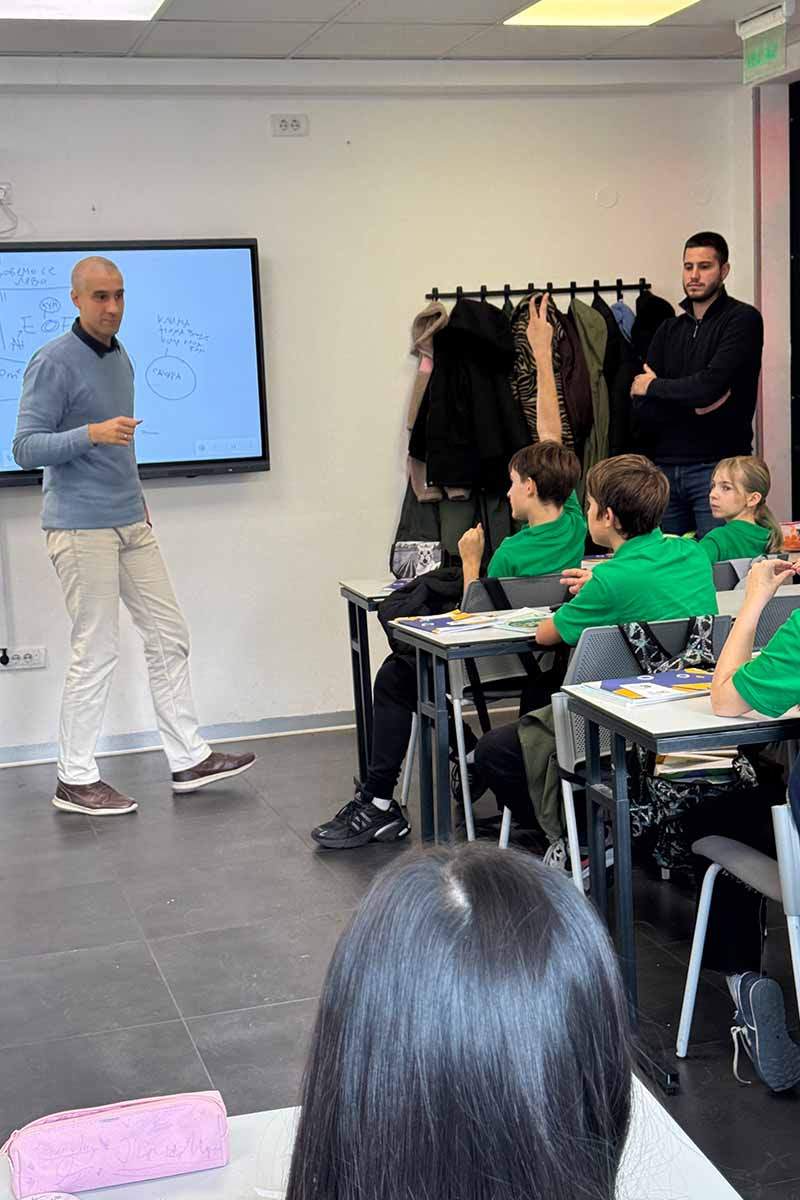
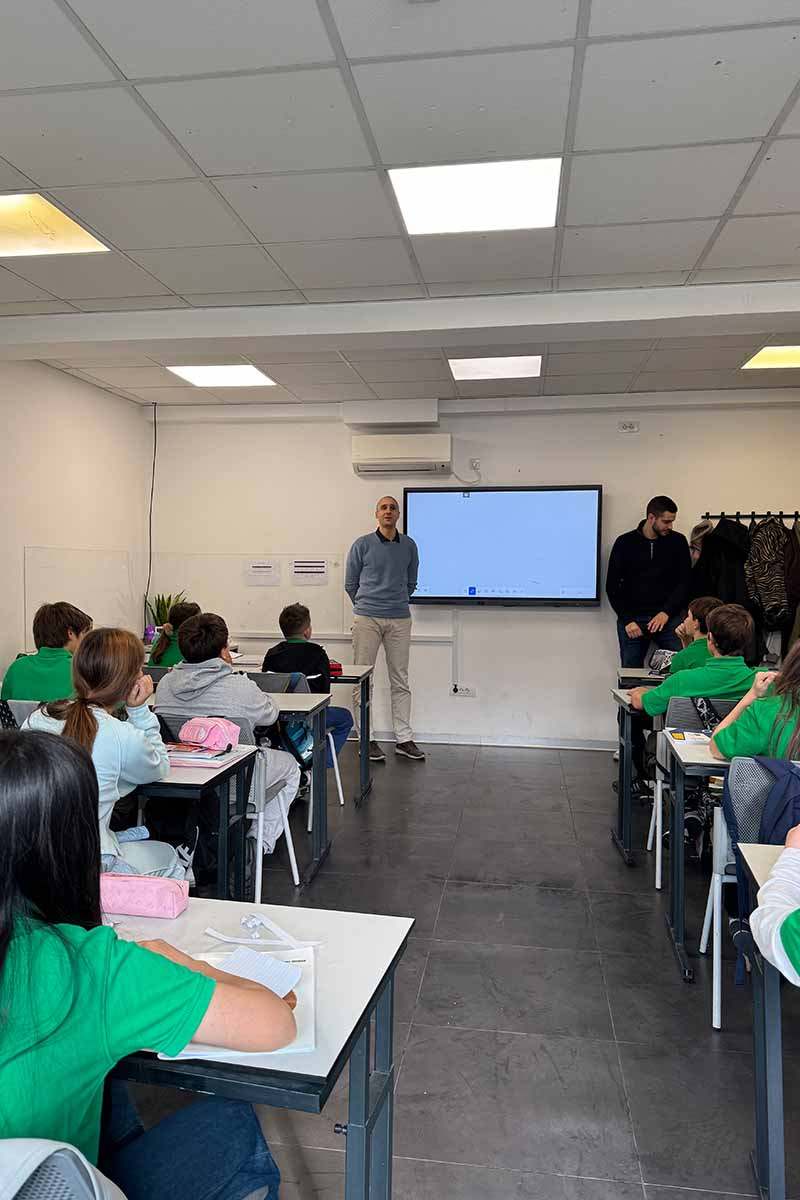
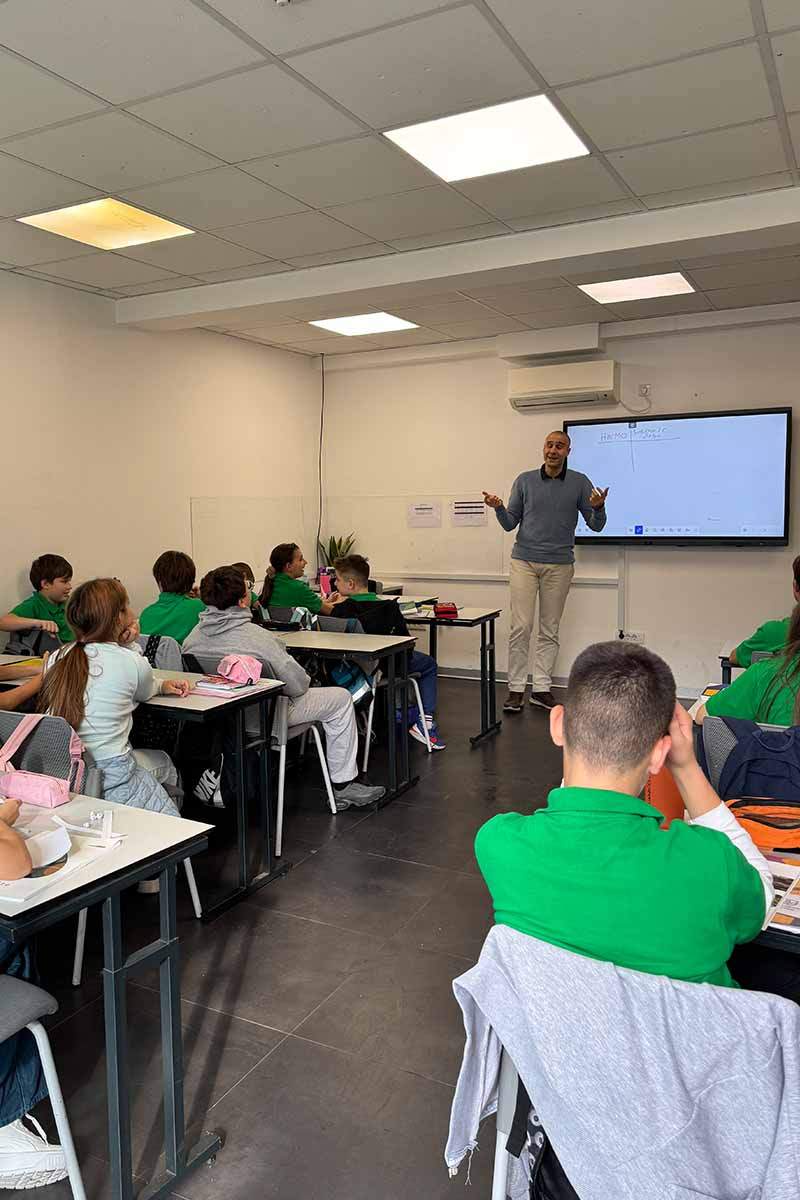
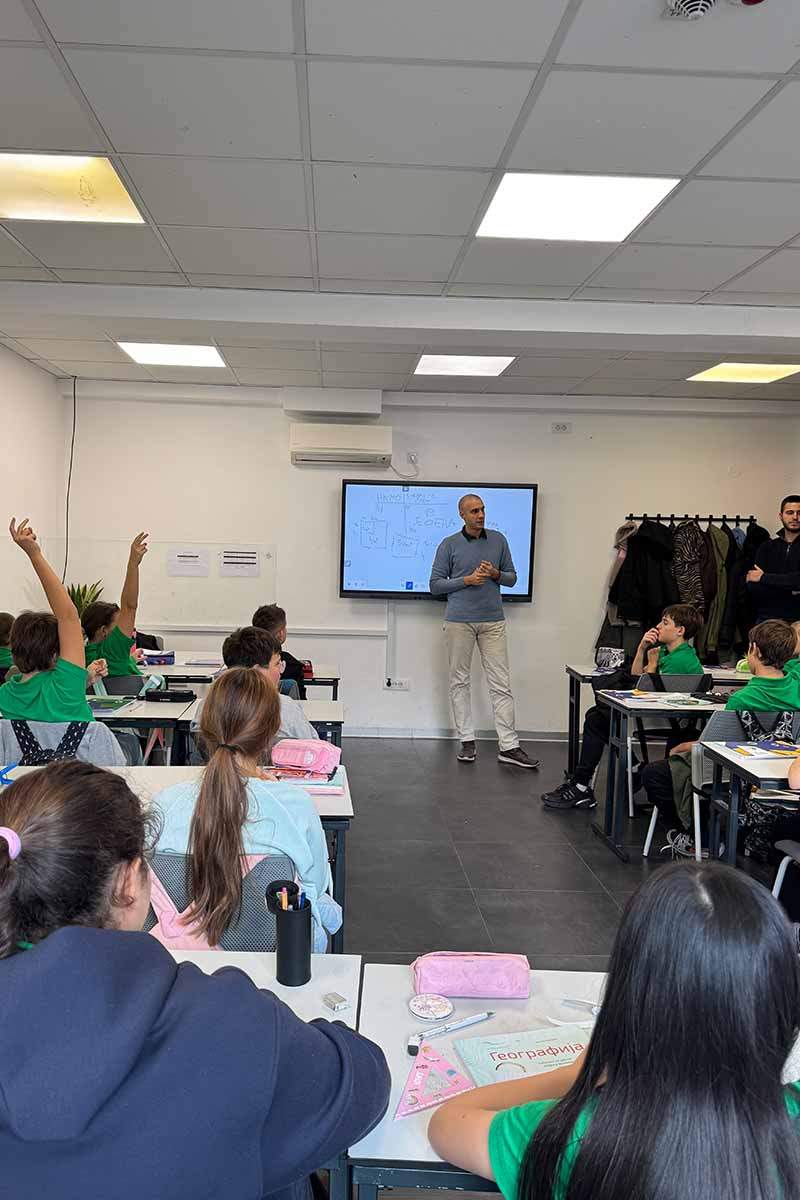
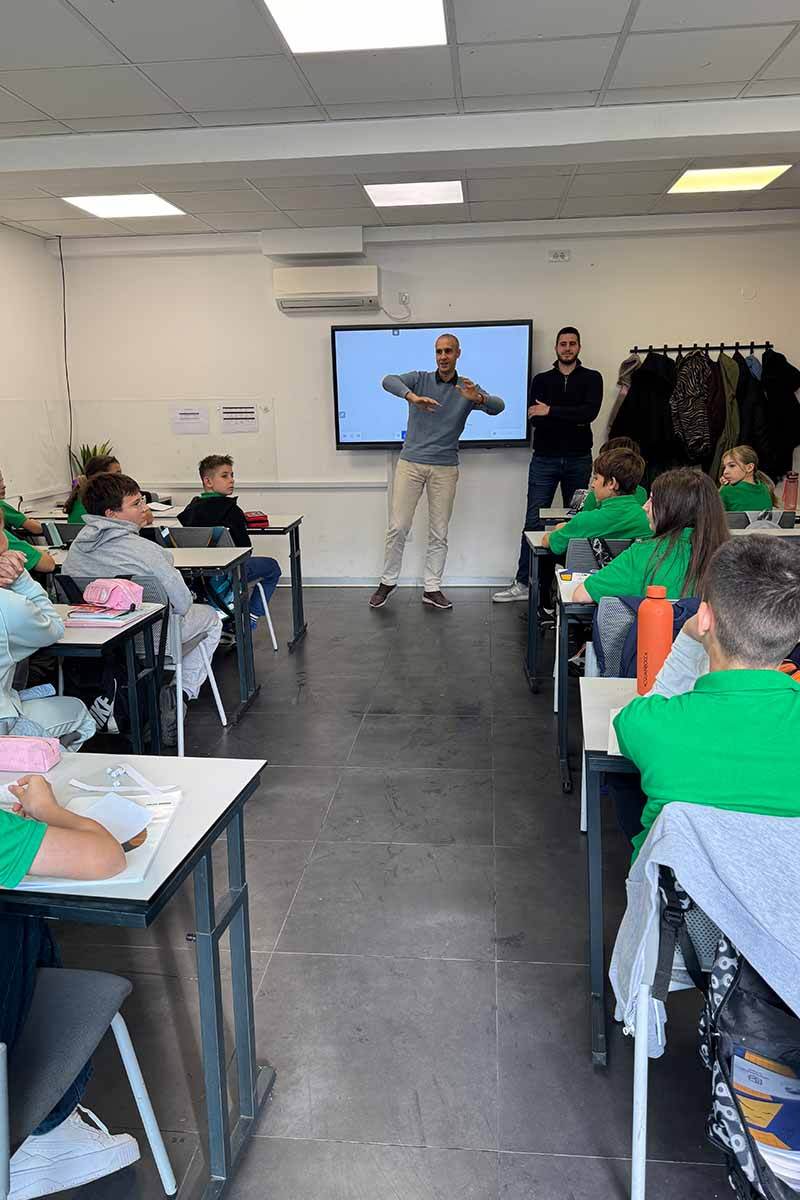
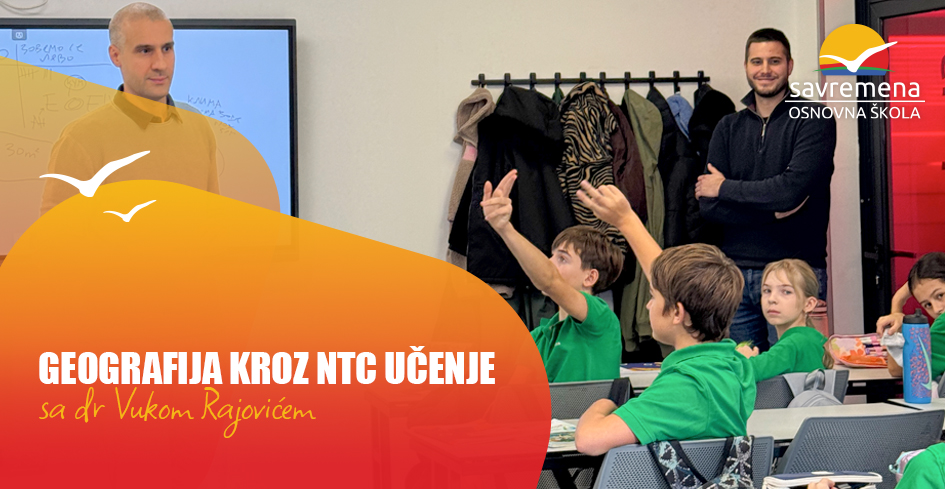
How can students remember information more easily, understand complex concepts and enjoy learning at the same time? Dr Vuk Rajović from the NTC Learning System demonstrated exactly that during his visit to Savremena Primary School, where he delivered an engaging geography lesson.
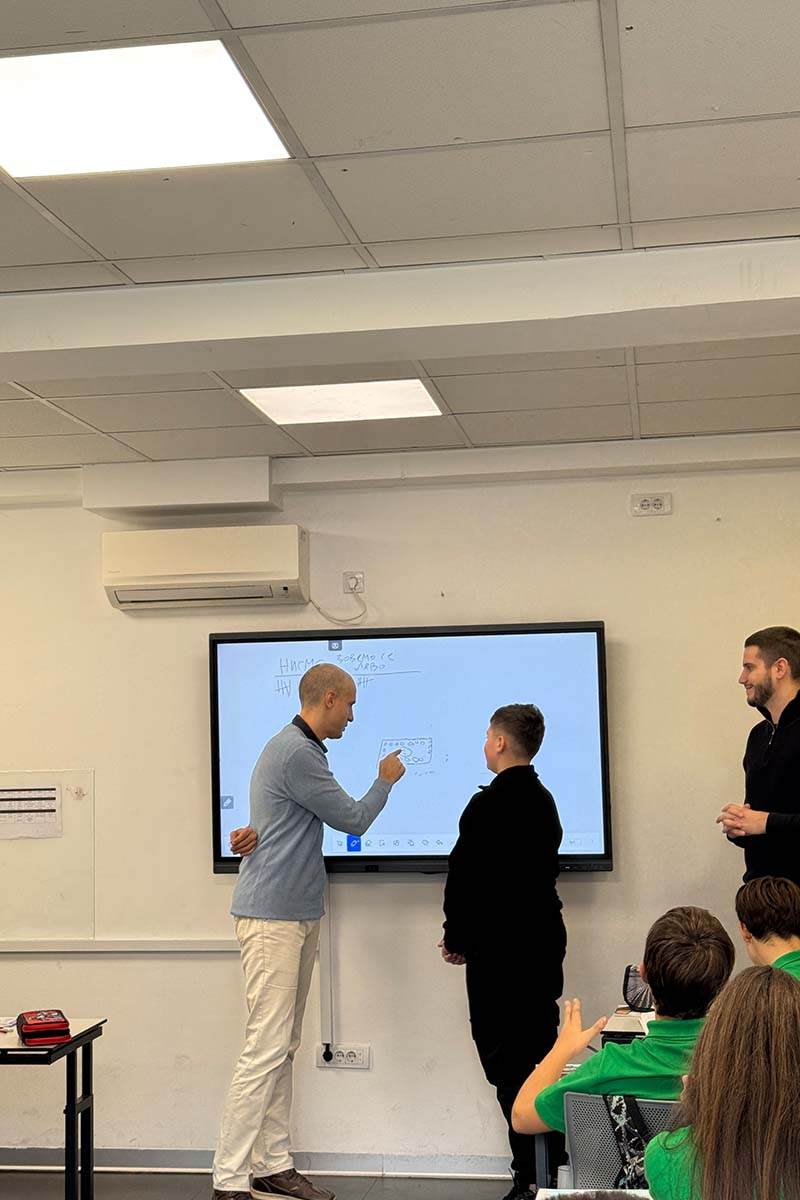
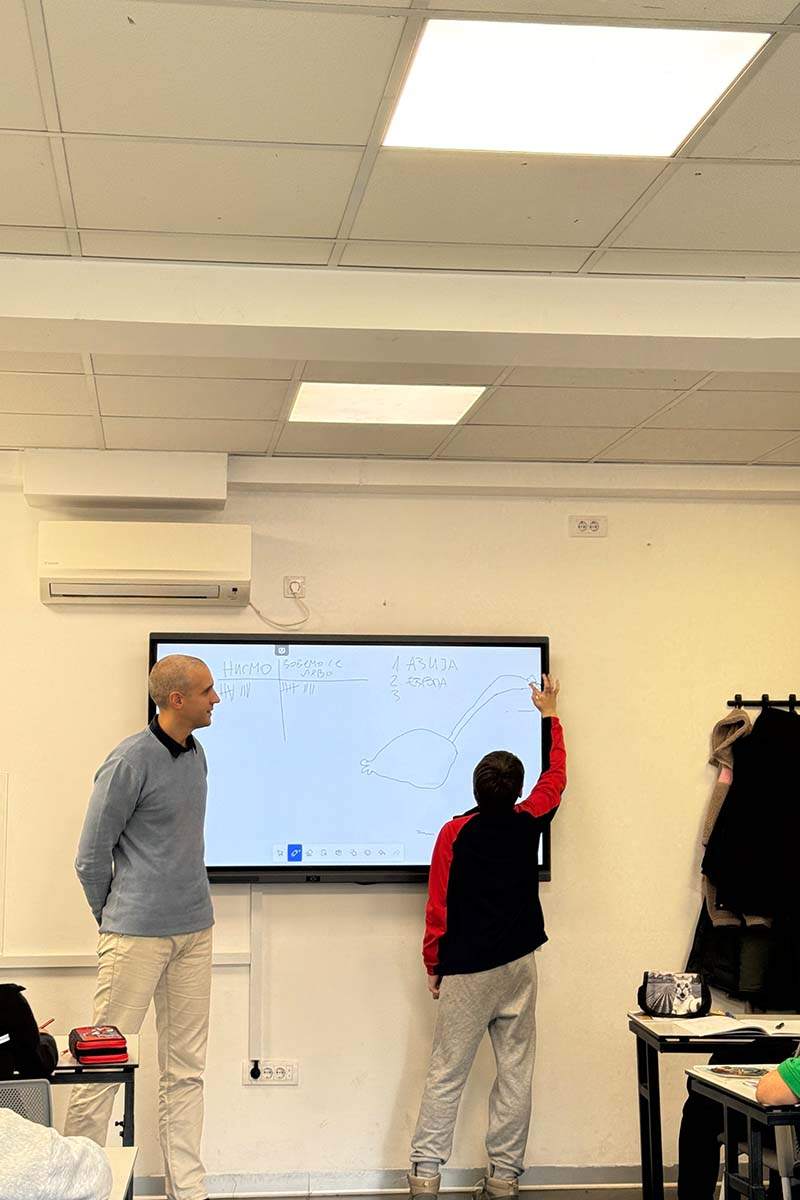
Instead of a traditional lecture focused on memorising definitions, students were introduced to different learning and memory techniques. Through interesting tasks, questions and connections between concepts, they explored geographical topics such as population and population density, discovering how even more challenging material can become easier to understand.
The lesson was not only an opportunity to gain new knowledge but also to discover learning strategies that students can apply across different school subjects.
What made the visit particularly valuable was the chance to see that learning does not always have to involve endless repetition and memorisation. When students connect information, explore interesting questions and think actively, even unfamiliar concepts become more accessible.
At Savremena Primary School, this is exactly the approach we aim to encourage. We want children to understand what they are learning rather than simply remember the correct answer.

NTC Learning Techniques: Making Complex Concepts Easier to Understand
Dr Vuk Rajović, co-author of the NTC programme and Executive Director of the NTC Learning System, works on developing methods that help children learn through associations, connecting concepts and active thinking.
He introduced Savremena students to this approach during their geography lesson. Concepts such as population and population density provided excellent examples of how school subjects can be taught in ways that encourage curiosity and make complex information easier to understand.
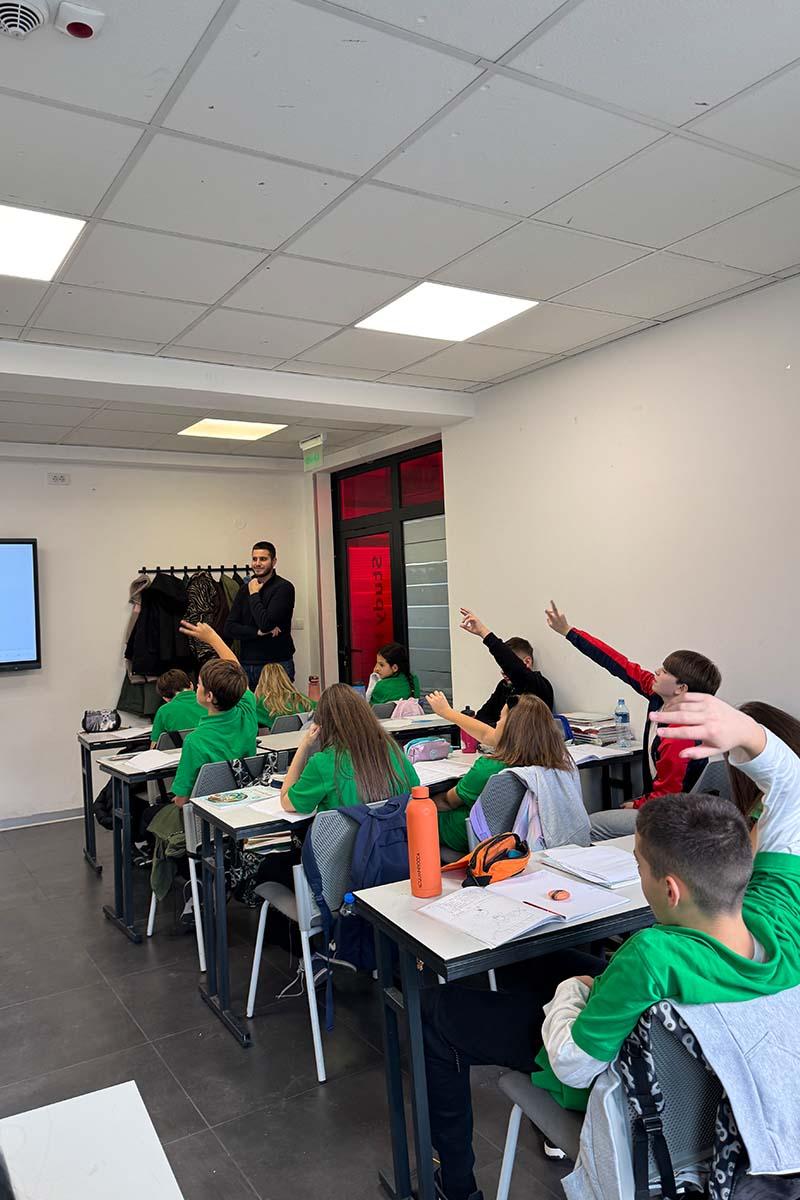
Rather than simply listening to explanations and memorising definitions, students explored different techniques that encouraged them to think, connect information and reach conclusions.
The NTC Learning System uses methods such as associations, unusual stories and problem-solving activities to encourage children to take an active role in learning. Its aim is to develop functional knowledge, helping students not only remember information but also understand, connect and apply it.
This approach can be particularly useful when students encounter abstract or complicated concepts that initially seem difficult to grasp.
The lesson with Dr Rajović was a wonderful example of how geography can remain engaging even when dealing with complex topics. It also demonstrated how carefully chosen learning techniques can help students approach new material with greater understanding, confidence and curiosity.
At Savremena, Students Also Learn How to Learn
At Savremena Primary School, we believe that teaching children how to think and learn is just as important as helping them acquire knowledge in individual subjects.
That is why we enrich our lessons with visits from experts, practical activities and teaching methods that help students understand new material in ways that are meaningful to them.
Dr Vuk Rajović’s visit was another opportunity for our students to experience this approach. While exploring geography, they gained new knowledge and discovered useful techniques that they can also apply when studying other subjects.
When children realise that they do not need to memorise every piece of information but can connect it to things they already know, learning becomes more natural and enjoyable.
This is why we encourage curiosity, questions, independent reasoning and active participation in every lesson. We want our students to understand not only what the correct answer is but also how to find it.
We would like to thank Dr Vuk Rajović for his visit, valuable advice and inspiring lesson, which showed our students that geography, and learning in general, can be approached in exciting new ways.