

European Day of Languages at Savremena: Pupils Discover Greek Language and Culture through the Globetrotters Project
Sofija Radivojevic / / Blog / October 2, 2026
European Day of Languages at Savremena: Pupils Discover Greek Language and Culture through the Globetrotters Project
Language learning became a journey through new words, traditions and the culture of Greece
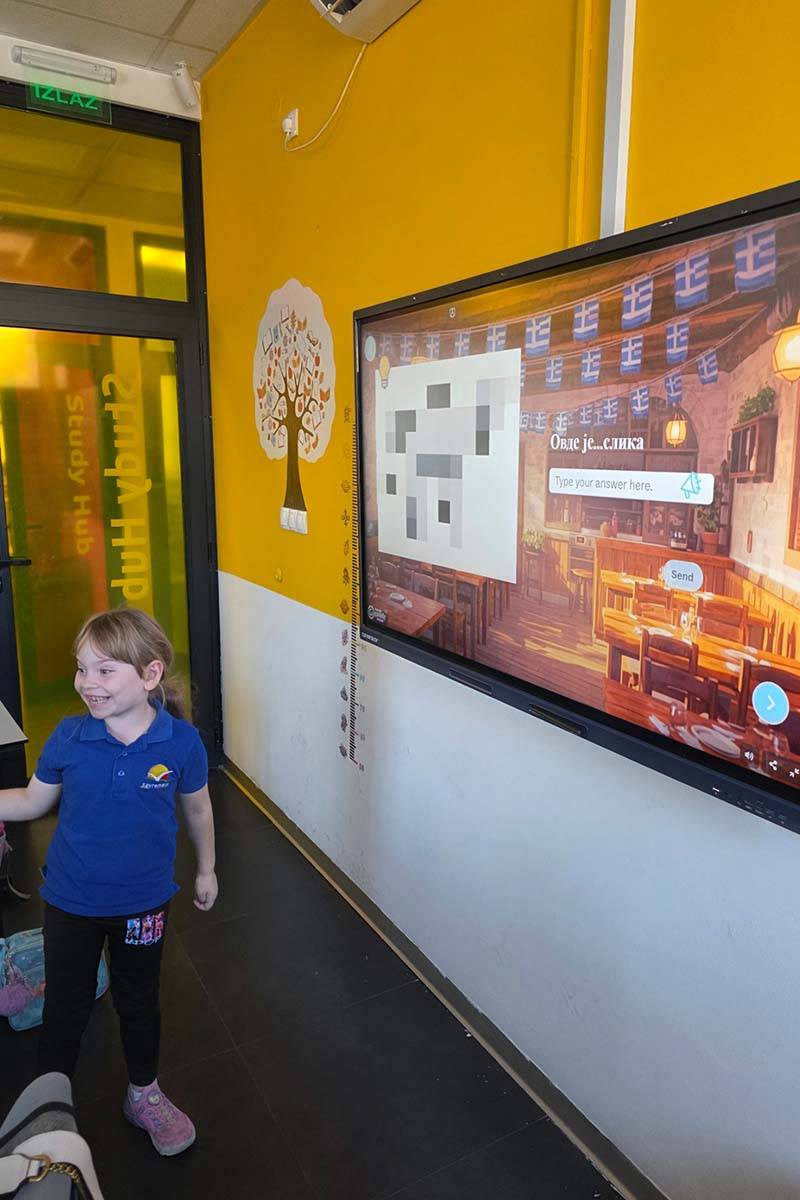
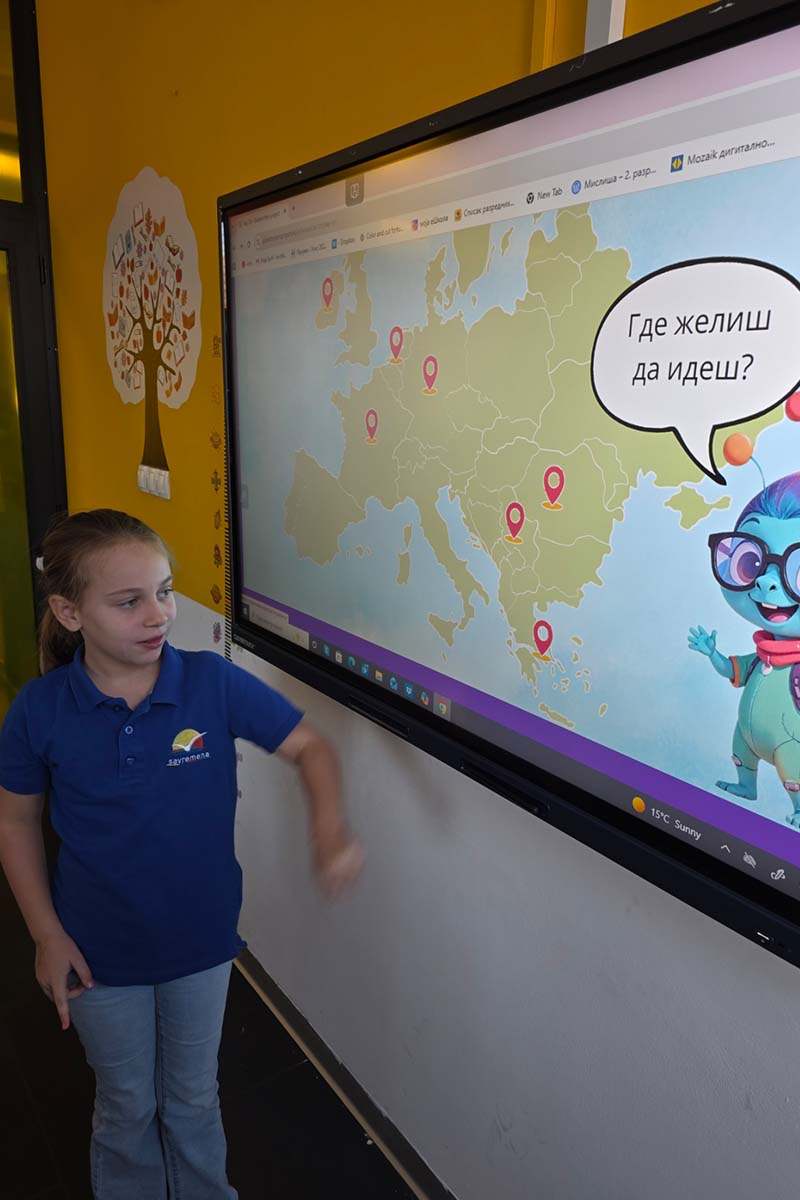
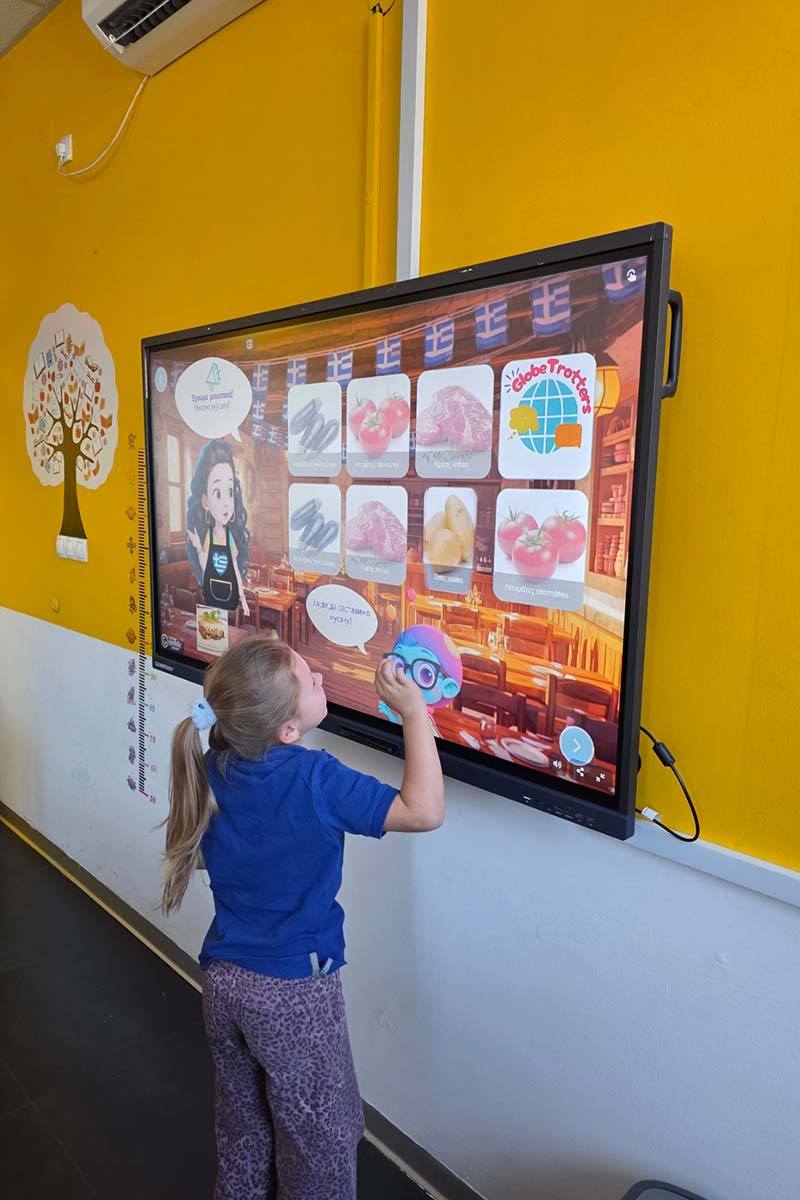
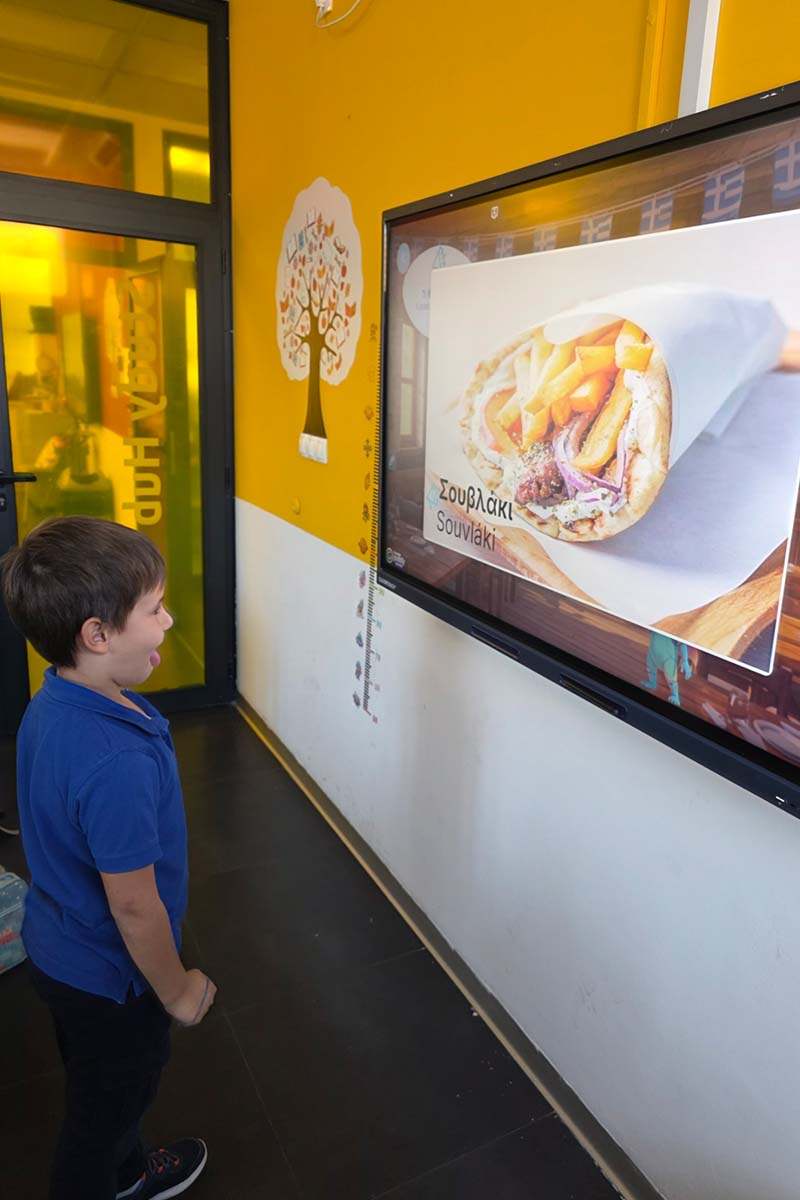
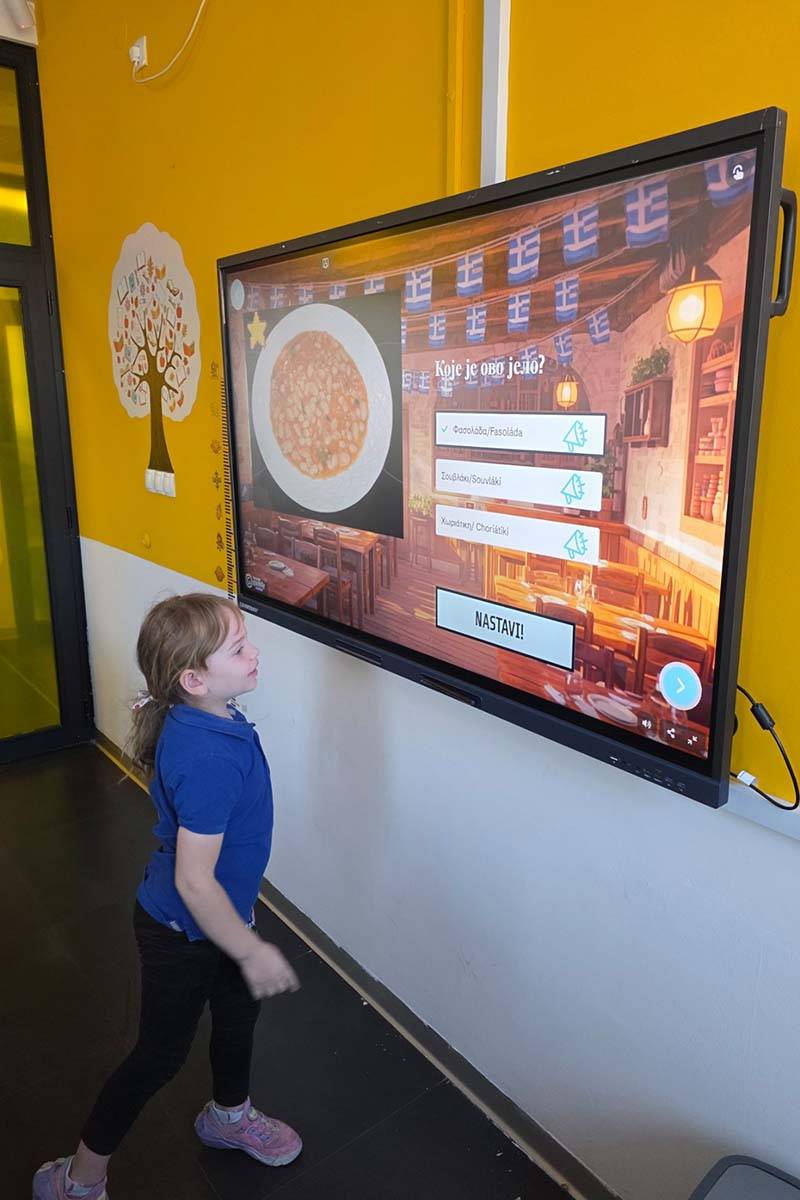
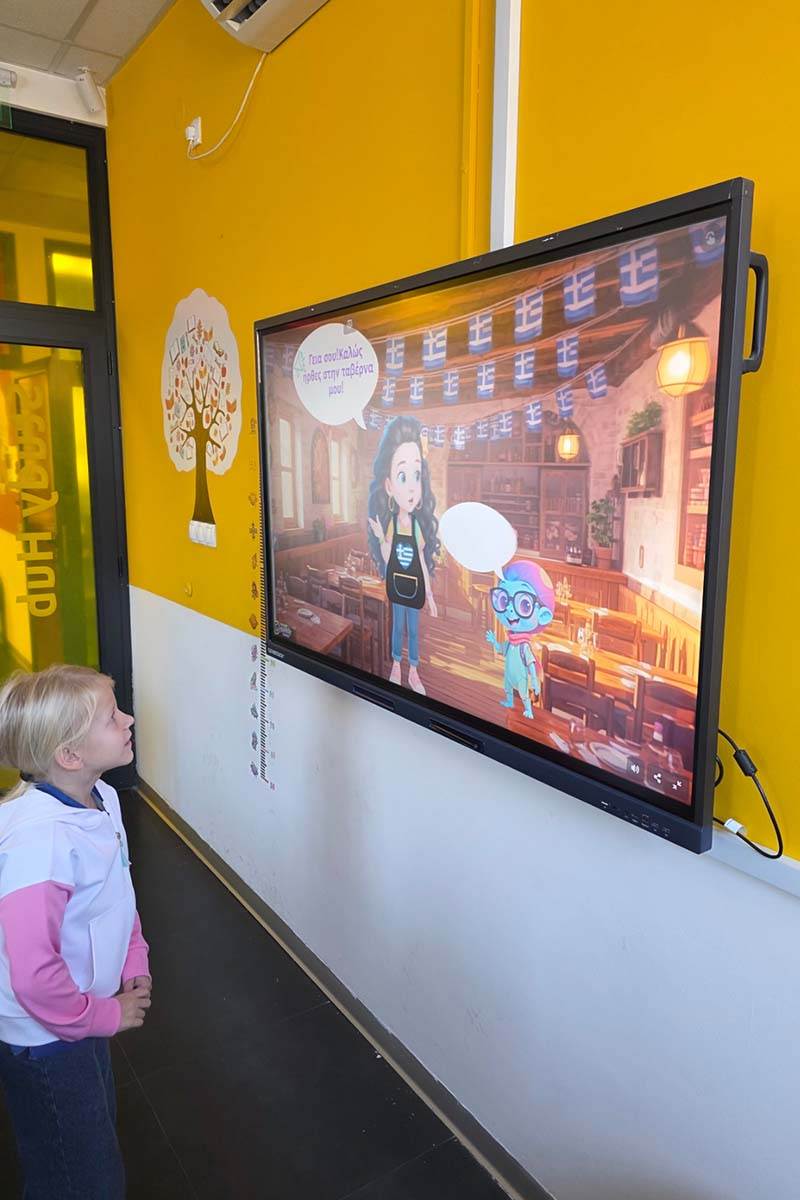
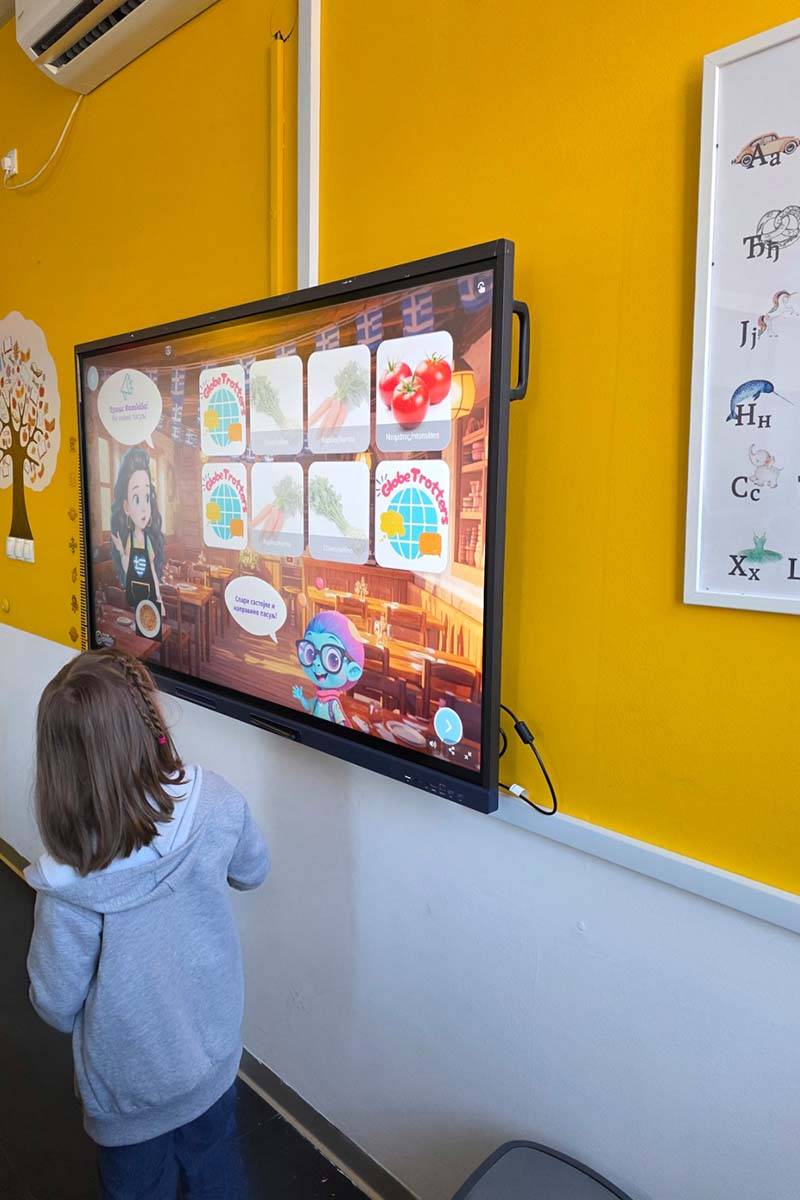
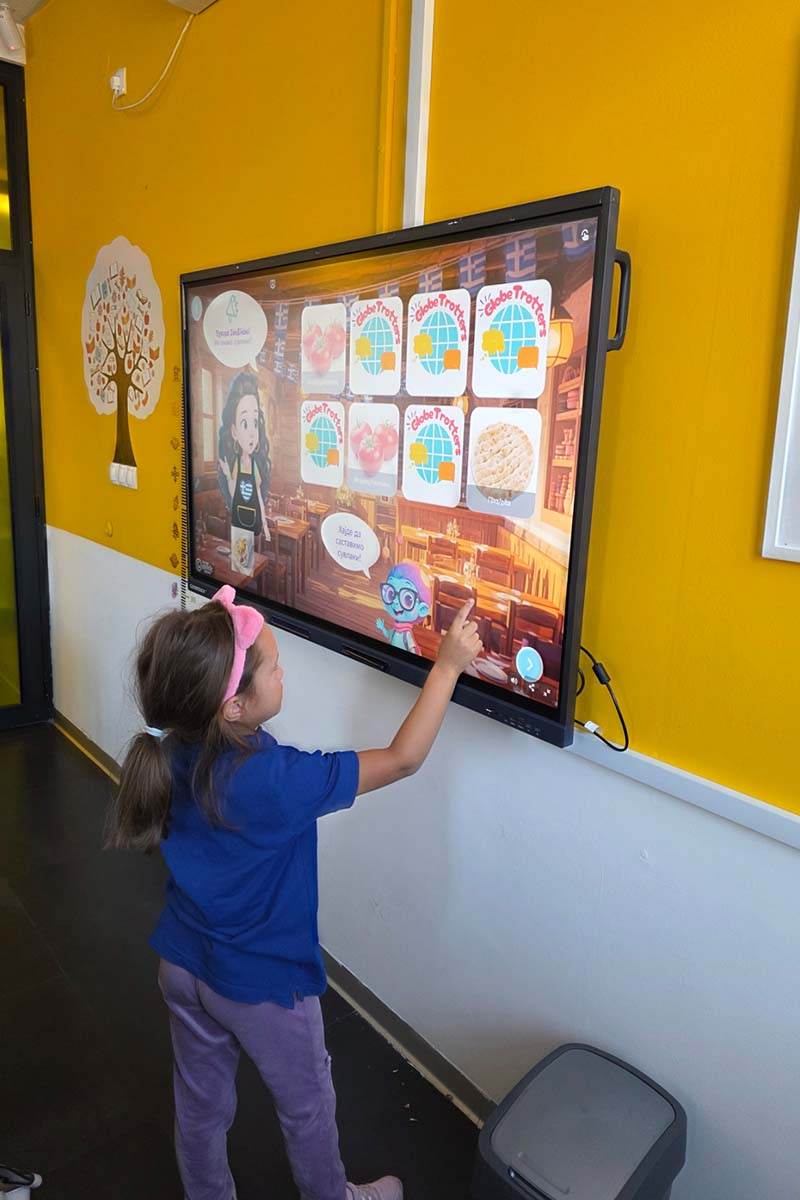
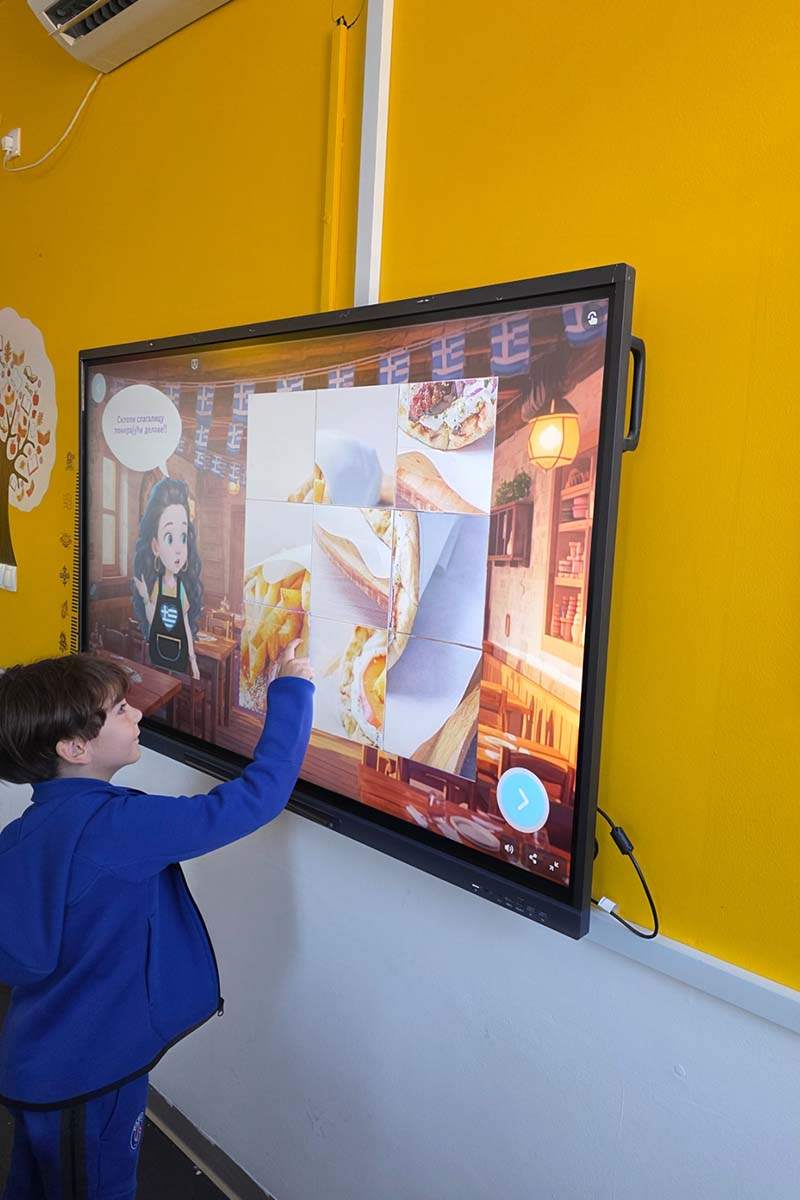
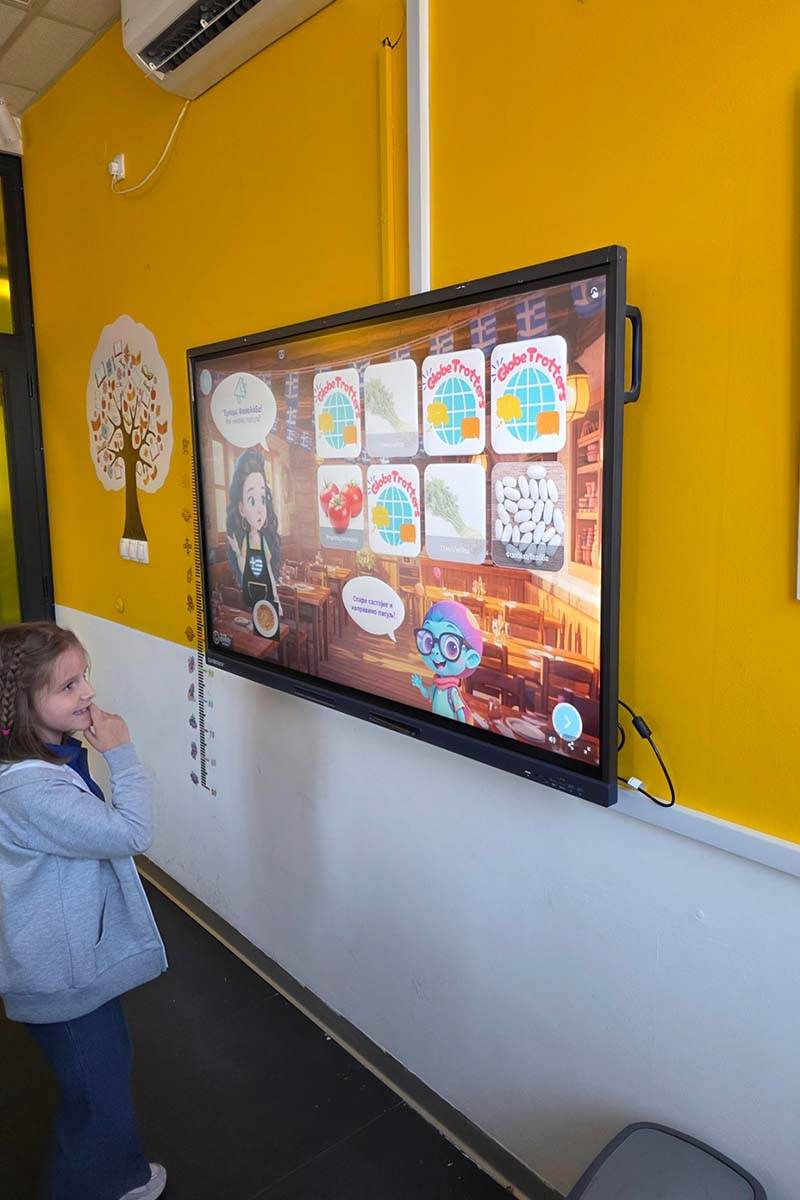
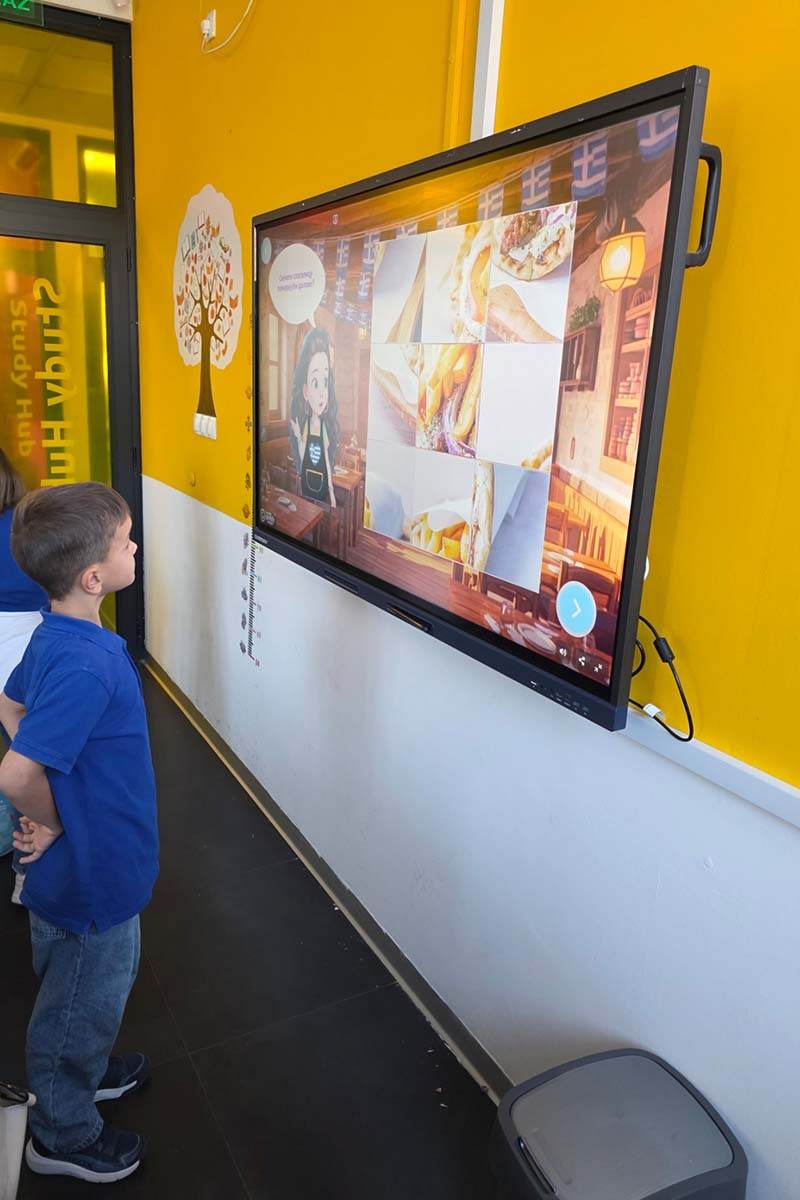
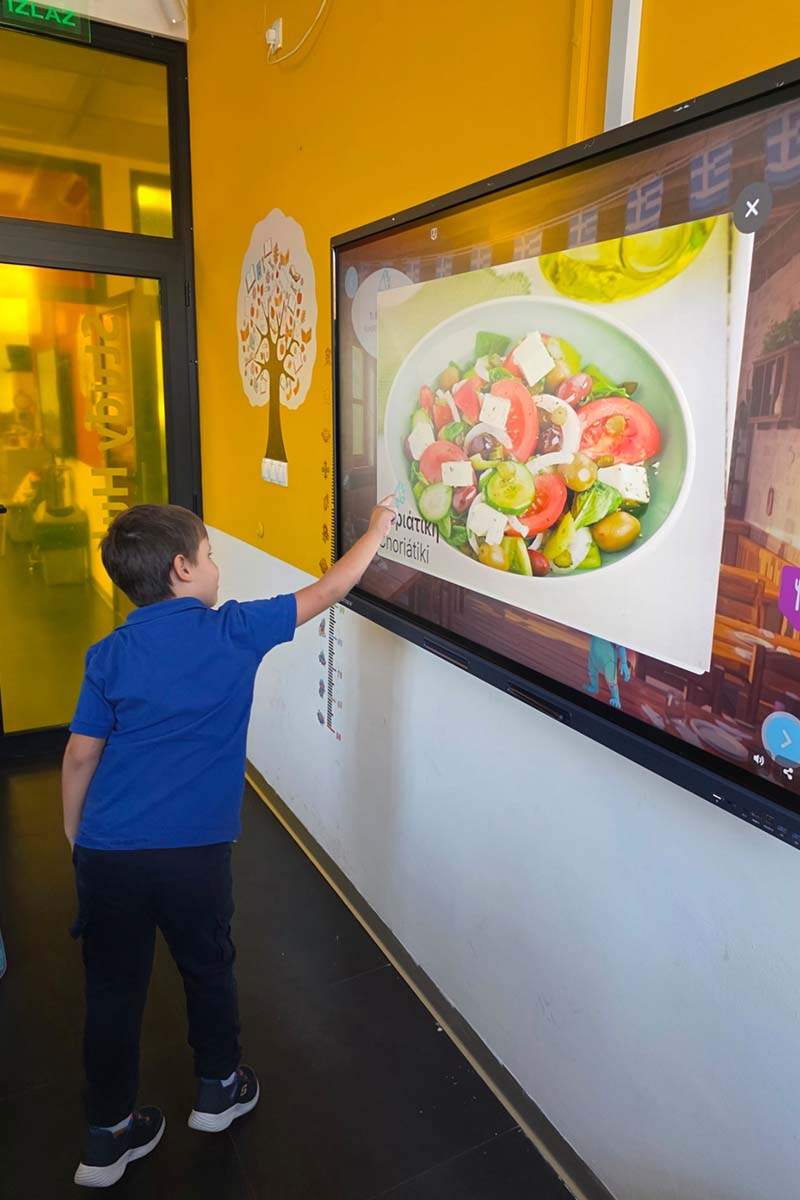
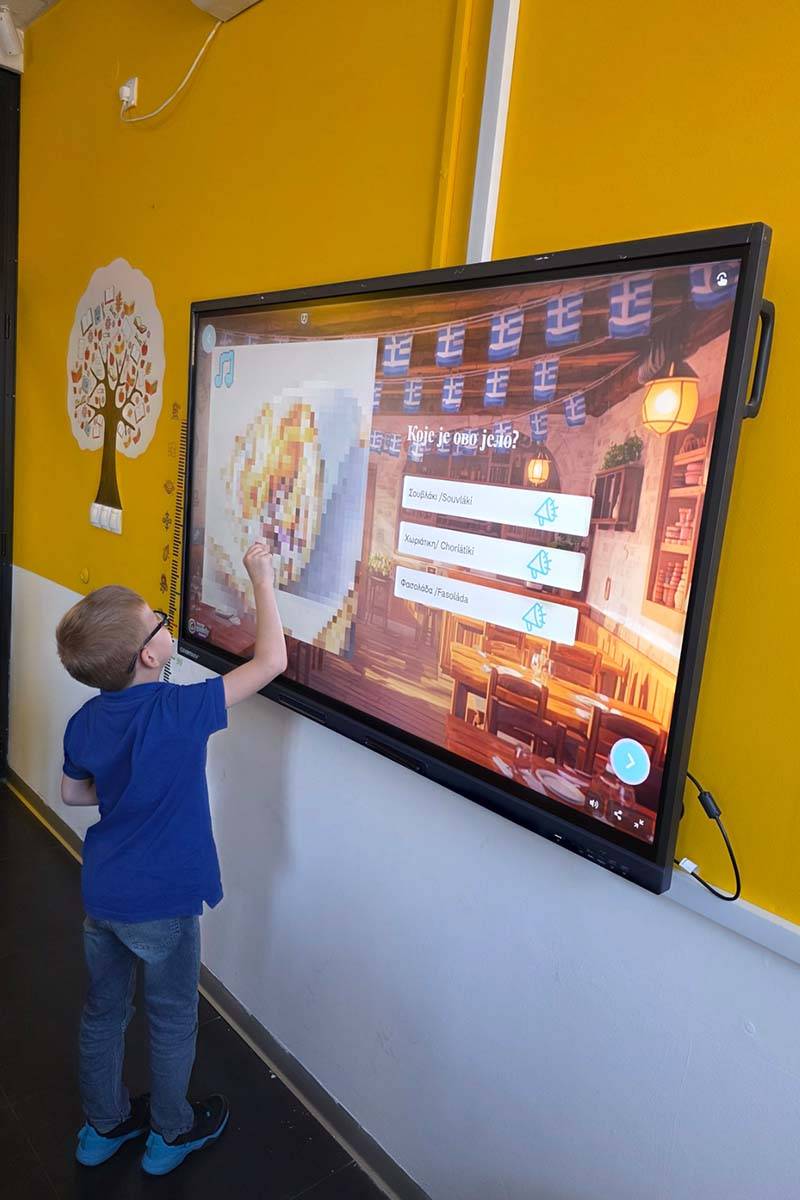
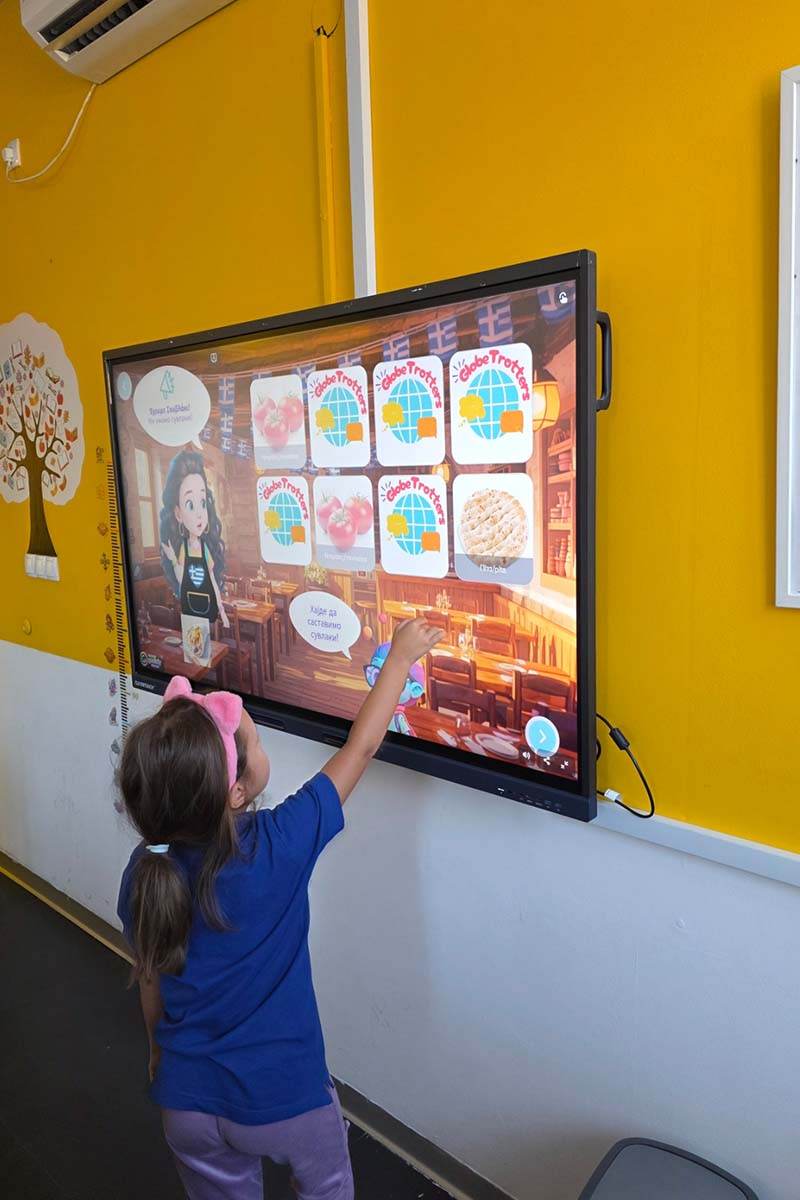
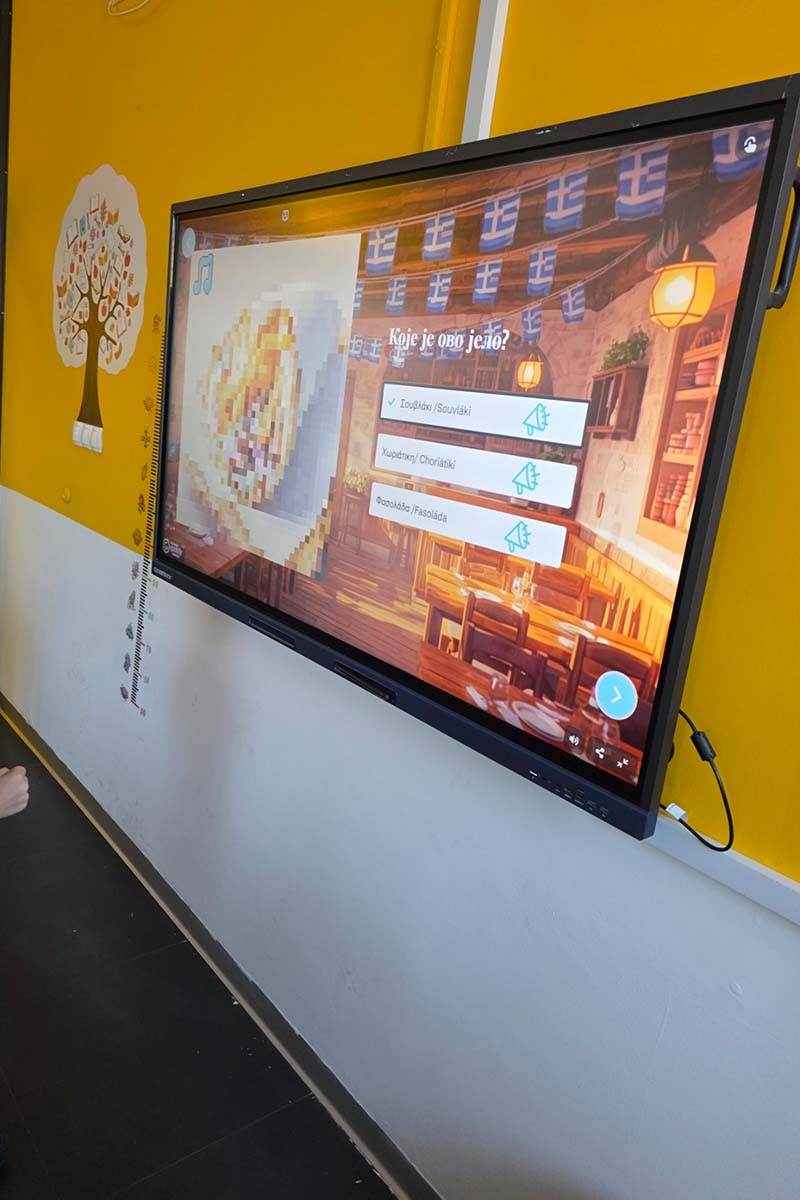
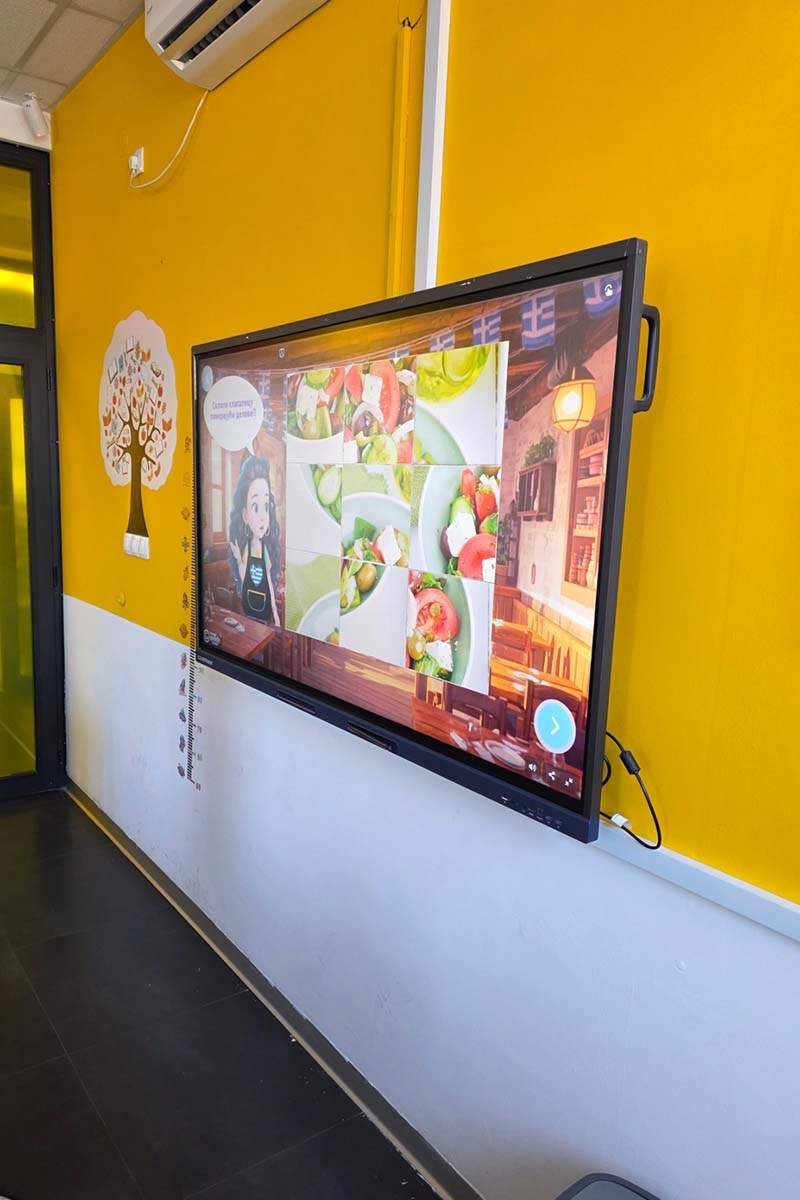
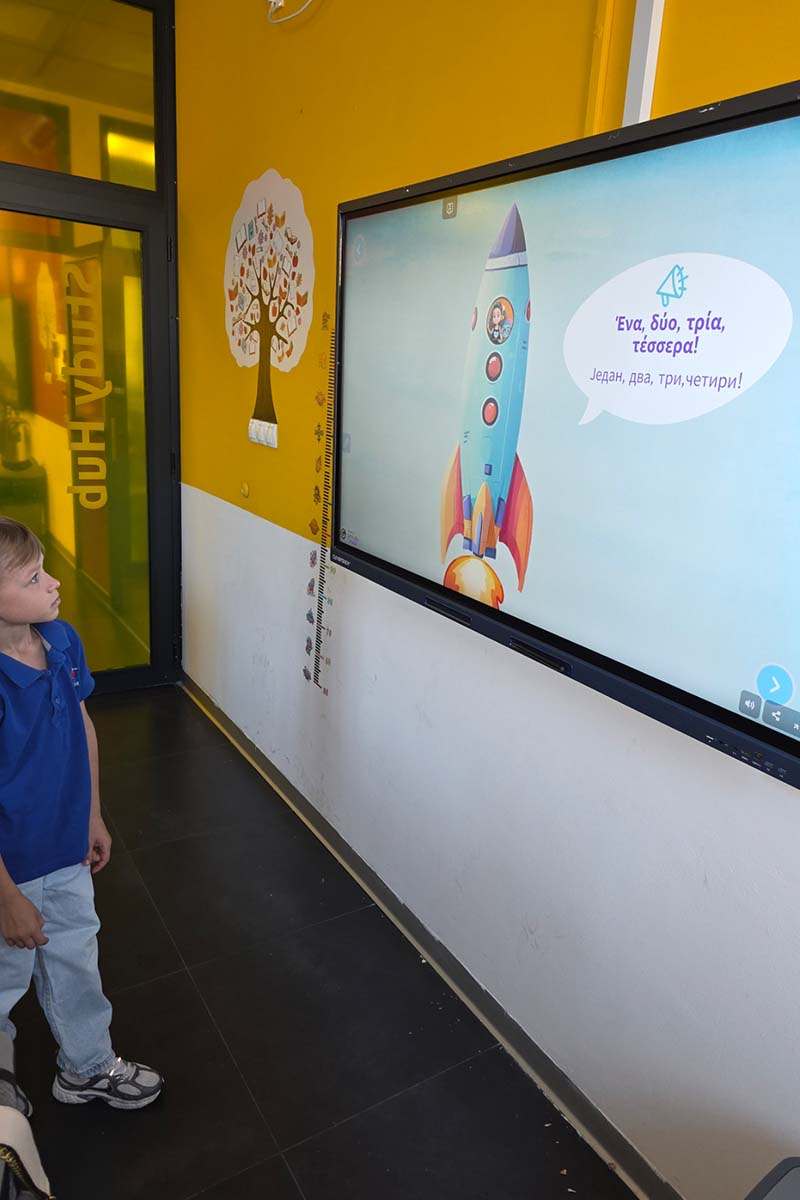
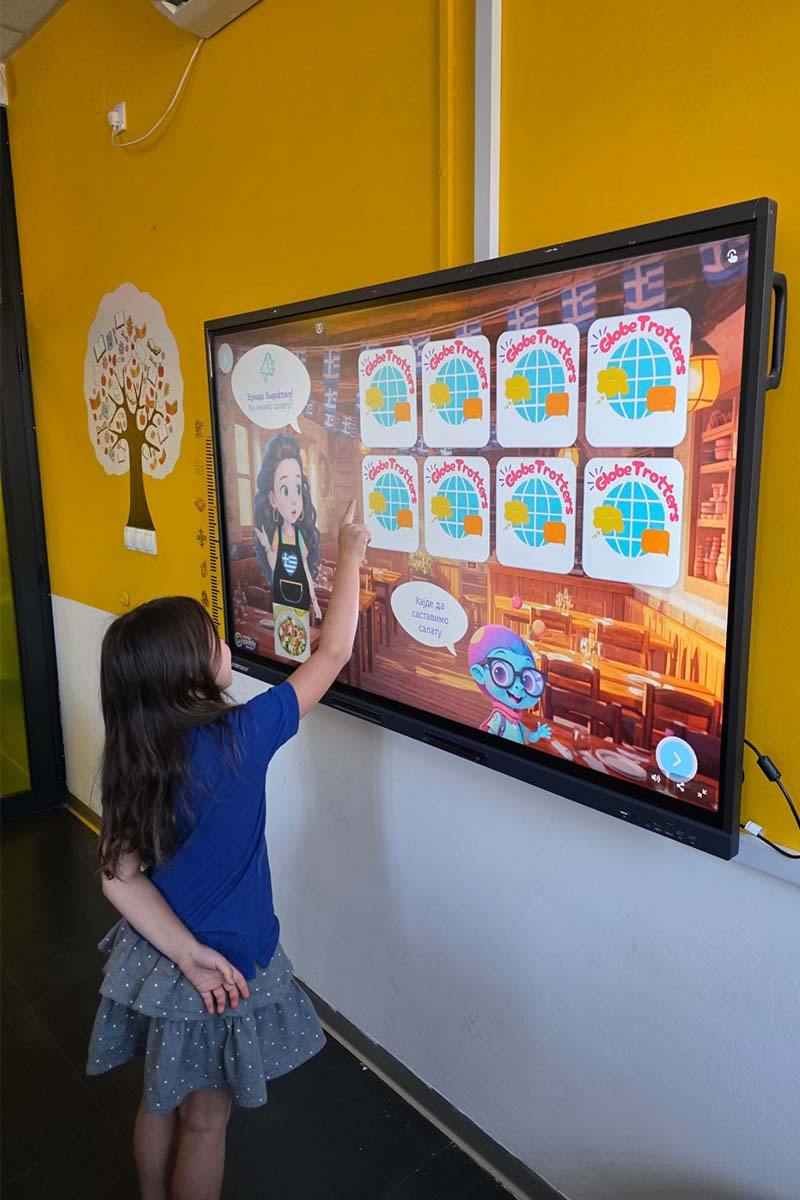
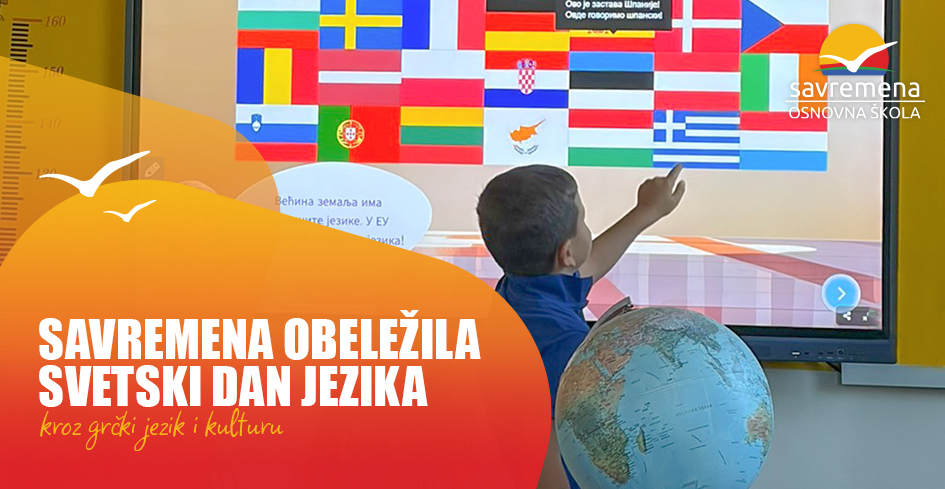
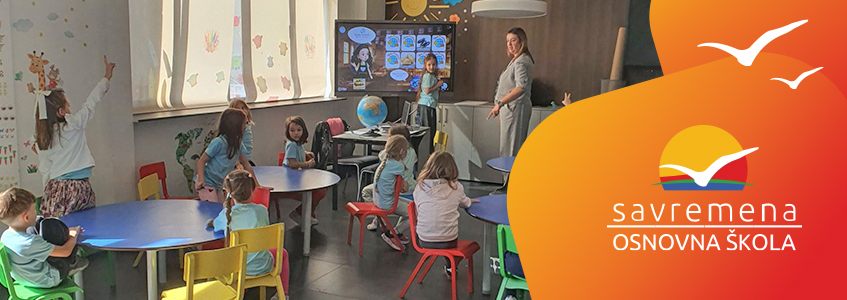
To mark the European Day of Languages, Savremena Primary School organised a special lesson during which pupils had an opportunity to discover the Greek language and the rich culture of Greece through the Globetrotters project.
Through engaging and age-appropriate activities, pupils explored new words and expressions while also learning more about the country whose language they were discovering. In this way, the lesson went beyond simply learning new vocabulary and connected language with culture, traditions and everyday life.
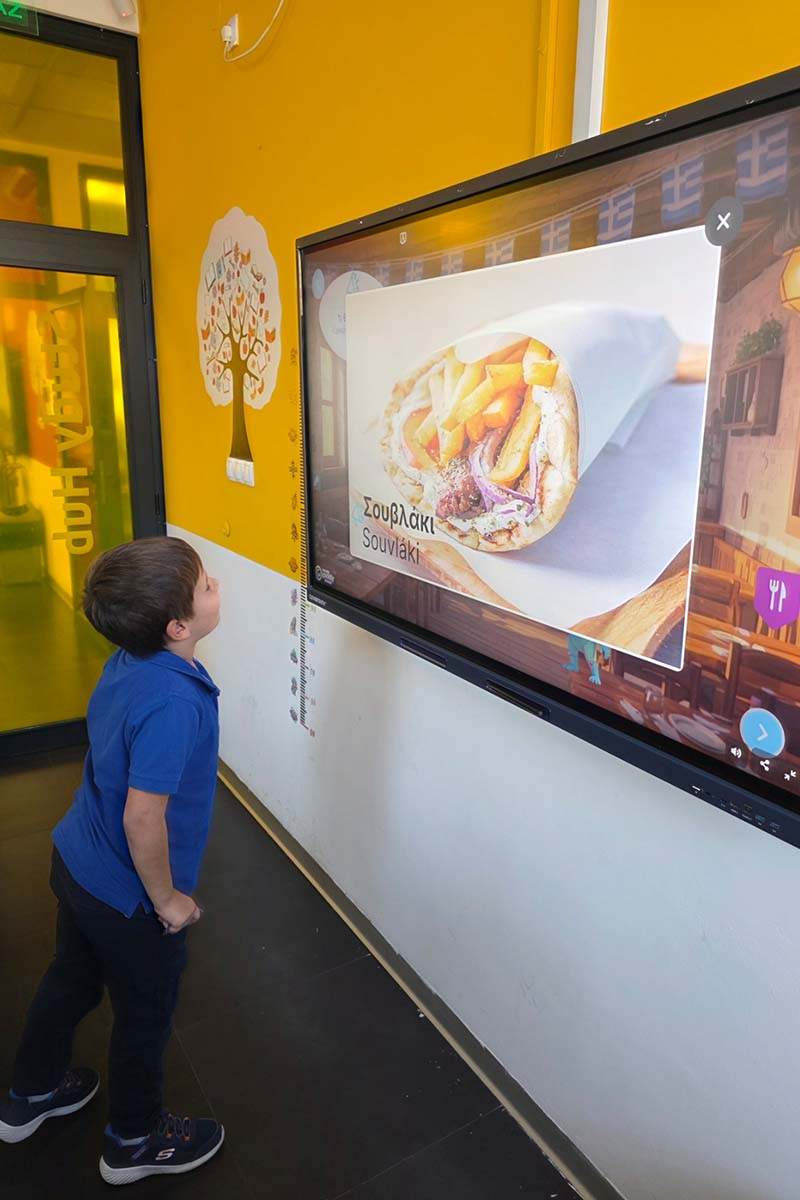
The European Day of Languages was also celebrated by preschoolers, who explored Greek traditions through music and food. Through activities adapted to their age, they discovered characteristic elements of Greek culture, guided by teacher Danijela Kleut.
In this way, the celebration brought different age groups together around the same idea: learning a language also means discovering the people, customs and traditions behind it. Pupils and preschoolers had the opportunity to step outside the familiar, experience something new and expand their understanding of the world through active participation.
Through the Globetrotters project, learning took on an exploratory character, while Greek language and culture became the starting point for an engaging and memorable educational experience.
Language as a Gateway to New Cultures
Learning a foreign language is much more than memorising new words and grammar rules. It gives pupils an opportunity to better understand other cultures, ways of thinking and everyday life in different parts of the world.
That is why celebrating the European Day of Languages through the Globetrotters project gave pupils an engaging and accessible way to discover Greece from a different perspective. Through the Greek language, they were introduced to its culture, traditions and distinctive features, giving the learning experience a broader and more meaningful context.
The preschoolers also had an opportunity to experience Greek traditions in a way that was close and engaging for them, through music and food. This kind of approach helps encourage an interest in other languages and cultures from an early age, through play, experience and activities that spark curiosity.
Activities like these encourage openness towards differences and a desire to explore. Pupils develop the ability to connect knowledge from different areas while also understanding that every language carries part of the identity and history of the people who speak it.
At Savremena, languages are therefore viewed not only as school subjects, but also as tools for communication, understanding and connecting with the wider world. When children discover new countries and cultures through experience, knowledge becomes more vivid, engaging and memorable.
Learning That Broadens Horizons
The activities dedicated to Greek language and culture showed how one topic can connect different areas of learning, as well as different age groups, and become an experience children are likely to remember.
Through the Globetrotters project, pupils had an opportunity to explore the world from the classroom, while preschoolers discovered Greece through music, flavours and traditions in a way suited to their age. Every new word, melody and discovery became a small step towards a better understanding of another culture.
This approach to learning supports the development of communication skills, curiosity and independence. Children learn to see differences as opportunities for new knowledge and experiences rather than as barriers.
The European Day of Languages was therefore much more than a date on the school calendar. It became an opportunity for pupils and preschoolers to experience the diversity of the world and understand how languages can bring it closer.
By exploring the Greek language, music, food and traditions, they once again showed that some of the most valuable learning begins when curiosity is encouraged and children are given the opportunity to discover something beyond the familiar.