



Chemistry Experiment: Pupils Observe the Sublimation of Iodine
Sofija Radivojevic / / Blog / November 2, 2026
Chemistry Experiment: Pupils Observe the Sublimation of Iodine
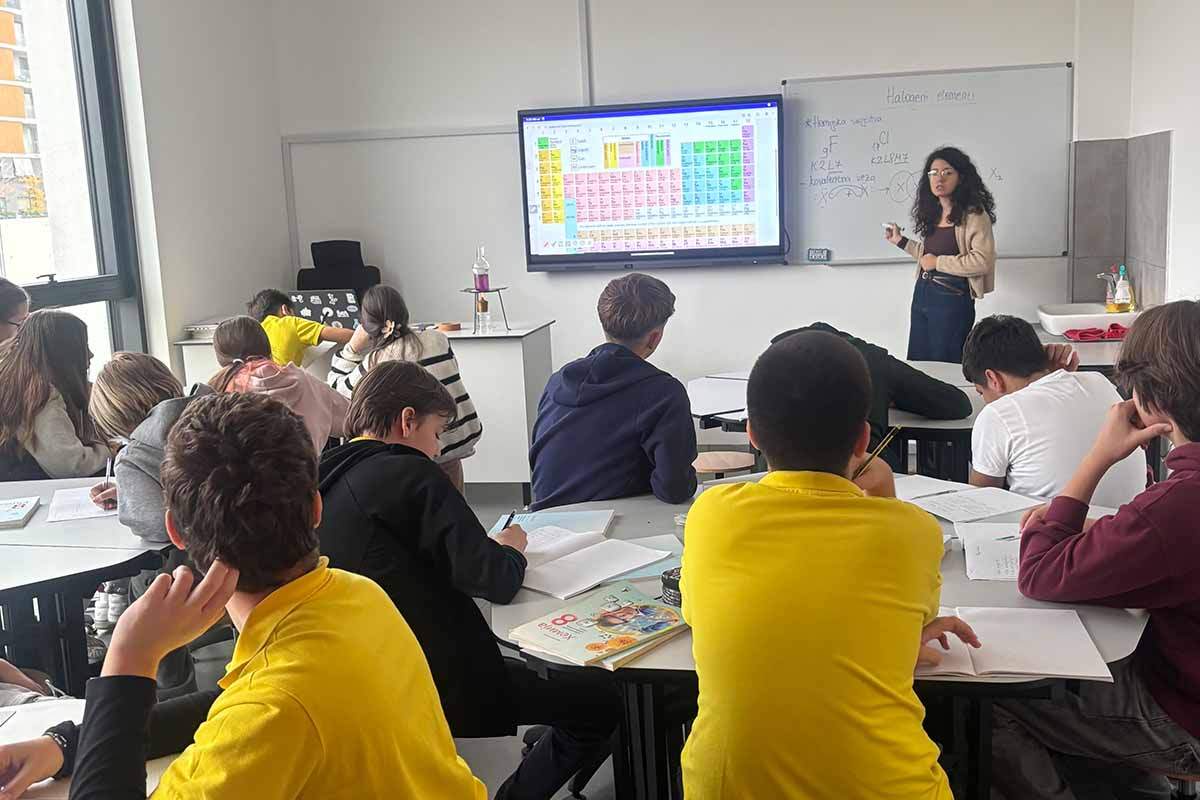
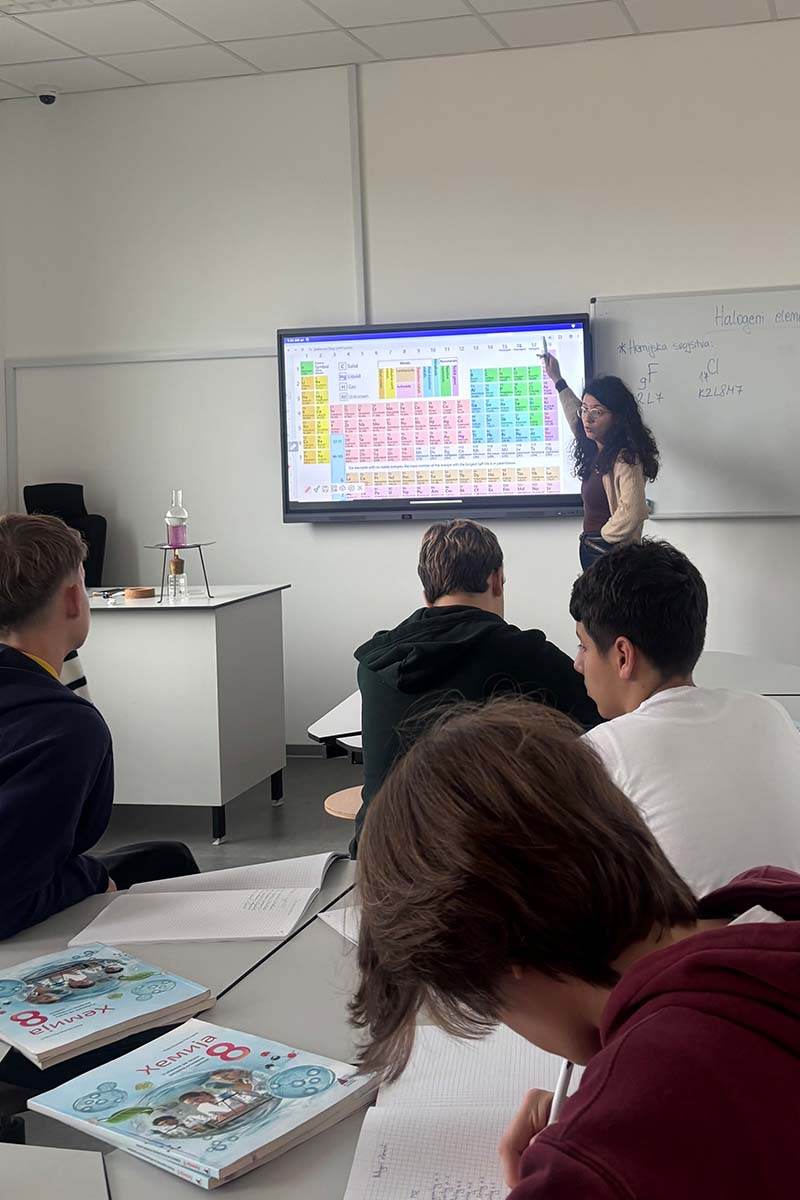
Pupils at Savremena Primary School explored an interesting scientific phenomenon through a practical experiment demonstrating how a solid can change directly into a gas.
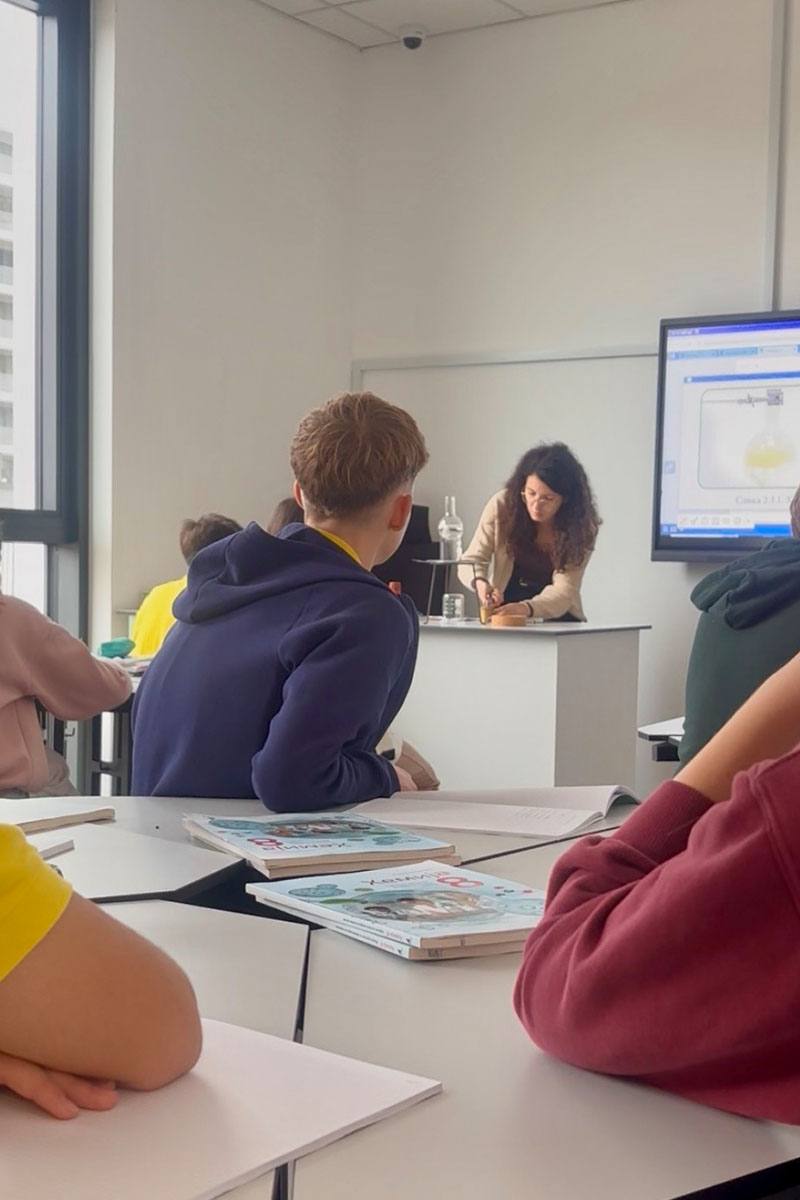
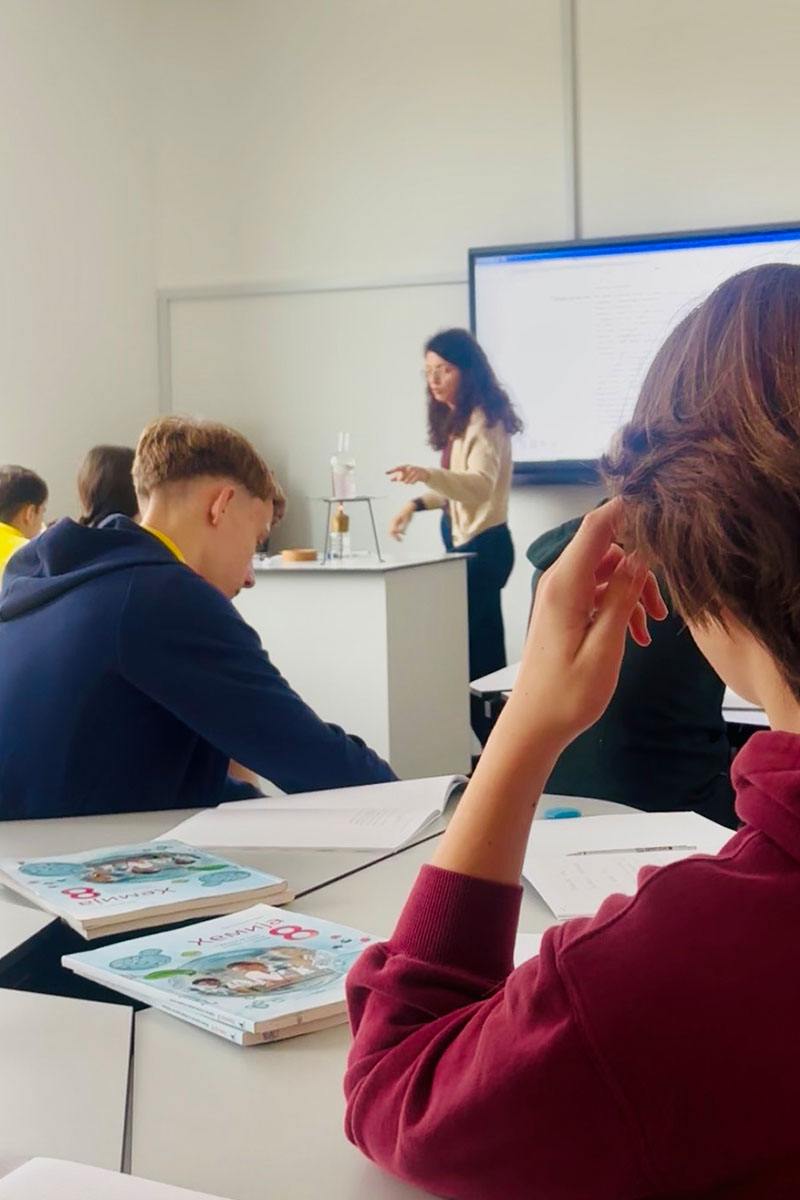
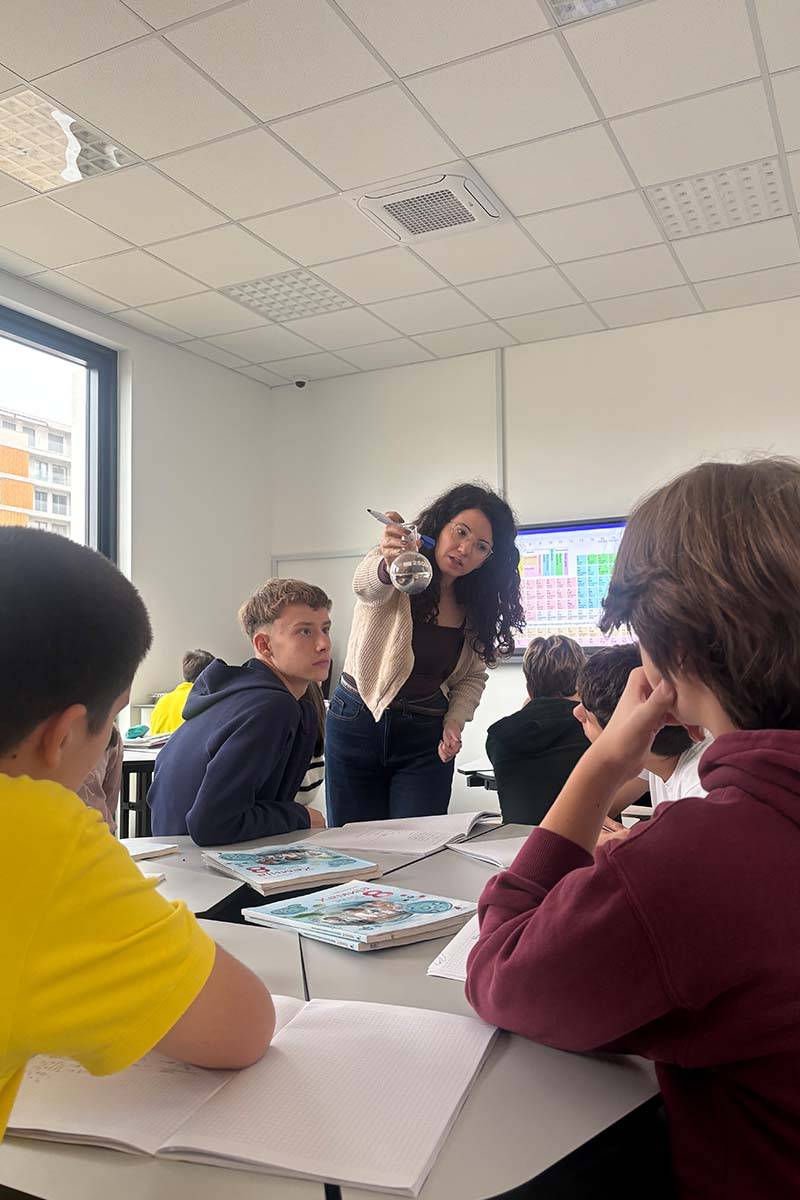
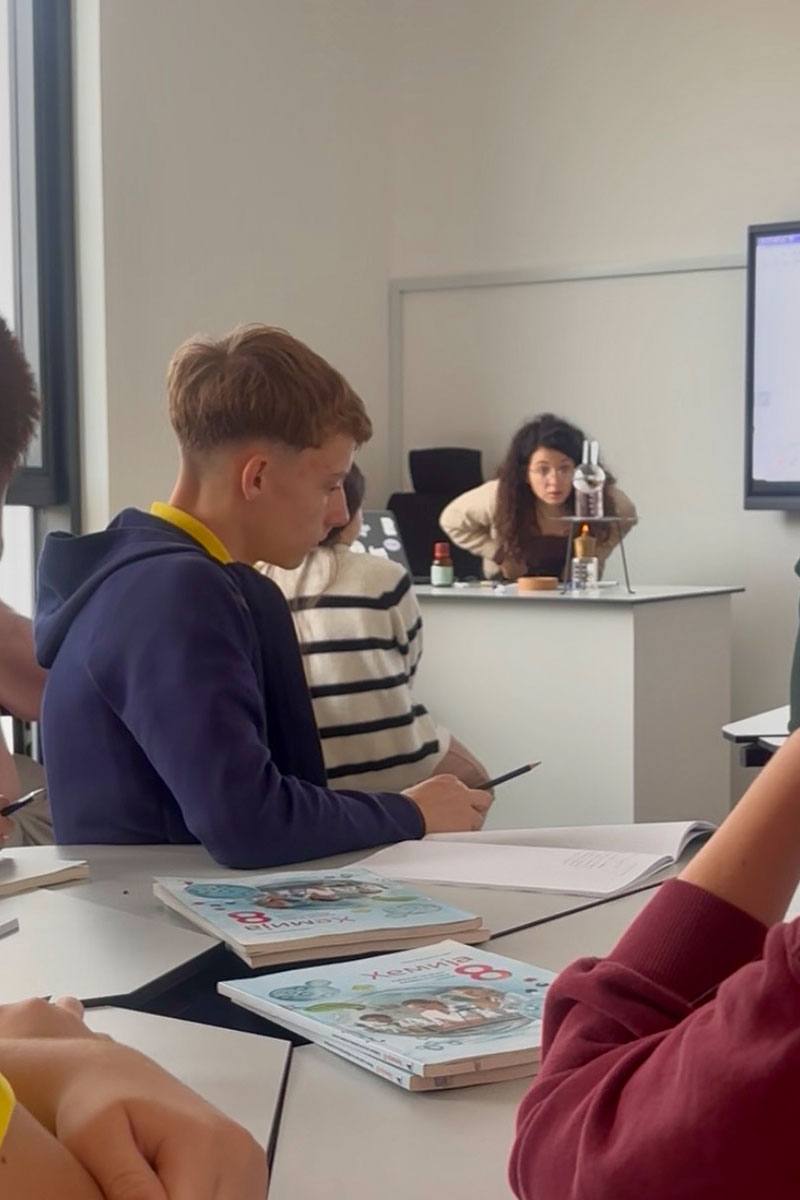
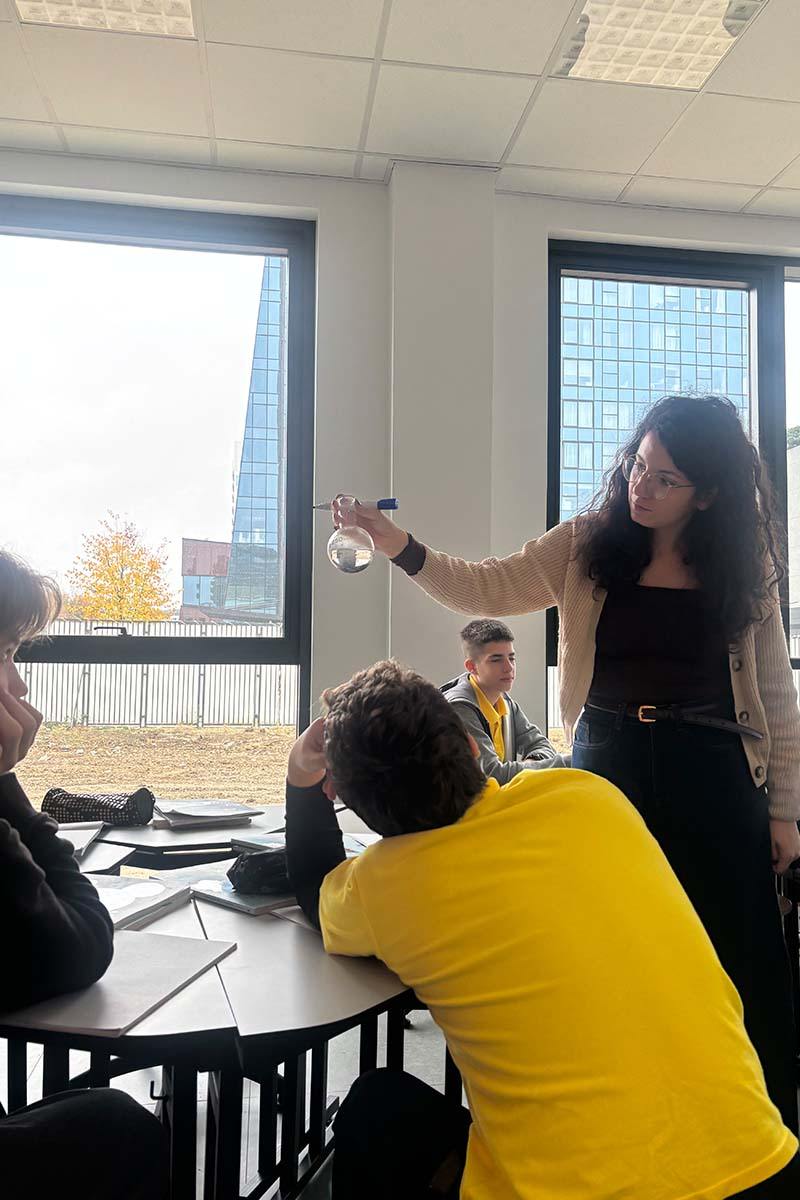
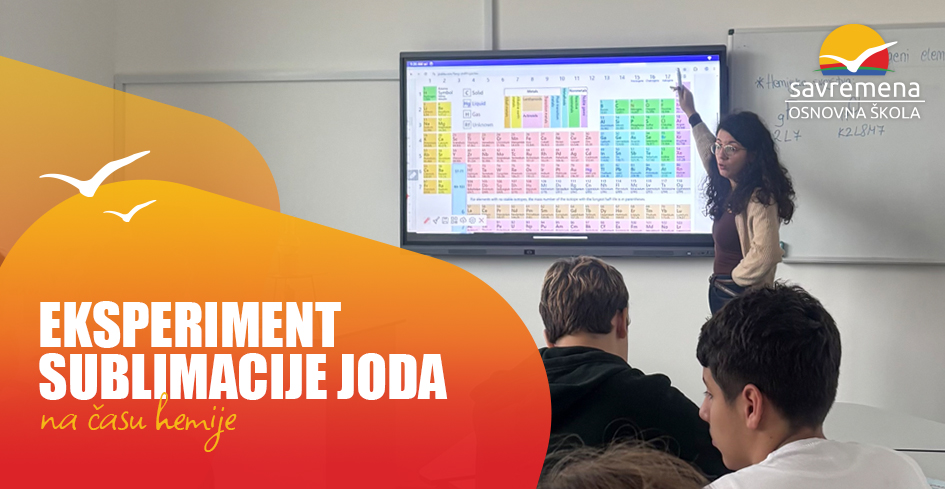
During a chemistry lesson at Savremena Primary School, pupils had the opportunity to explore the sublimation of iodine through a practical experiment and discover how scientific concepts can be demonstrated in the classroom.
As part of their studies on changes of state, pupils observed an experiment illustrating an interesting physical transformation. Sublimation is the process in which a substance changes directly from a solid into a gas without first becoming a liquid.
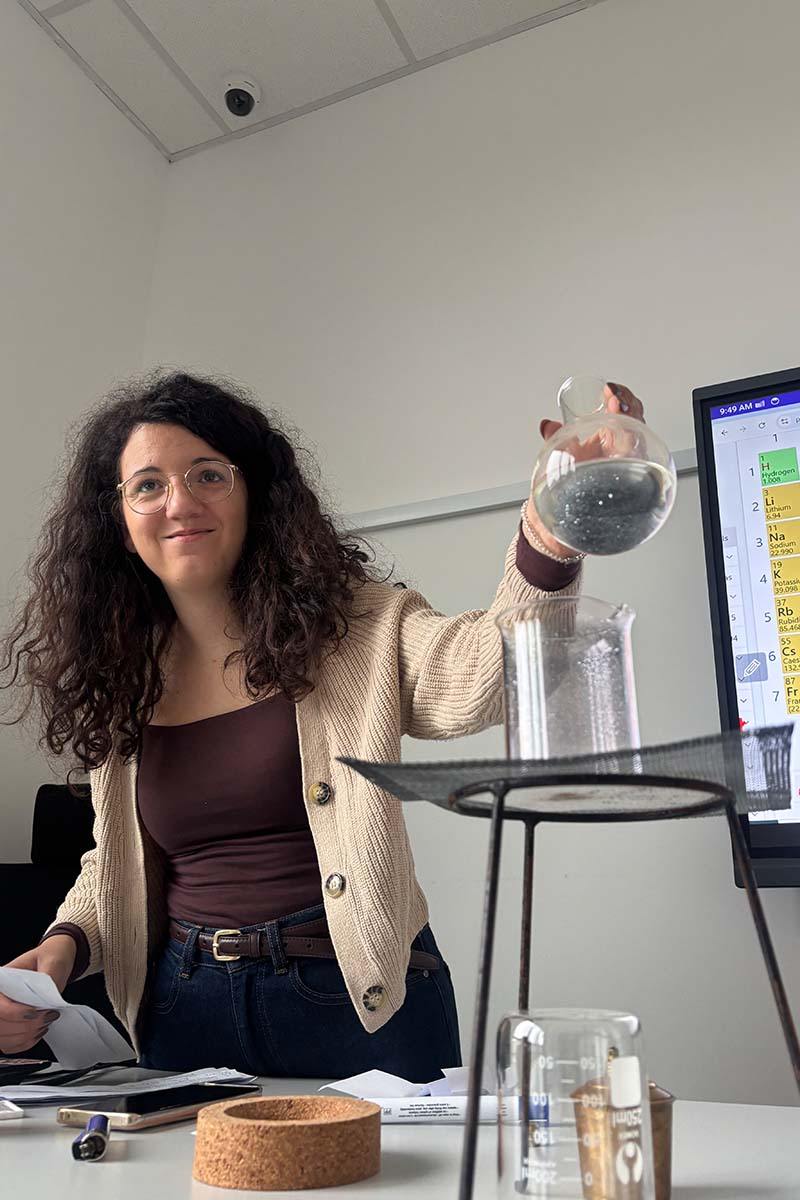
Iodine was used for the experiment because it is known for producing distinctive violet vapour when it sublimes. This visible transformation makes iodine a particularly interesting example for demonstrating an important scientific concept.
During the lesson, pupils were able to connect their knowledge of states of matter with a practical demonstration and develop a clearer understanding of the differences between various physical changes.
This approach to learning is particularly valuable because it allows concepts introduced in textbooks to be connected with observable phenomena. Instead of simply memorising definitions, pupils are encouraged to understand the processes behind what they are studying.
At Savremena Primary School, practical experiments form an important part of science education, helping pupils develop curiosity, active thinking and an interest in exploring the world around them.
By combining theoretical explanations with practical activities, lessons become an opportunity to develop both scientific knowledge and the skills needed for further learning.

Violet Iodine Vapour Demonstrates a Fascinating Physical Change
The iodine sublimation experiment introduced pupils to a process that differs from the changes of state they encounter more frequently in everyday life.
While melting ice and evaporating water are familiar examples, sublimation involves a substance changing directly from a solid into a gas.
Solid iodine is dark grey, while iodine vapour has a distinctive violet colour. Under suitable heating conditions, iodine can sublime, making it a useful substance for demonstrating this particular process.
Through the experiment, pupils were introduced to the important principle that a change of physical state does not necessarily involve a change in chemical composition. During sublimation, iodine retains its chemical identity even though its physical state changes.
By connecting theoretical explanations with an experimental demonstration, pupils had the opportunity to develop a clearer understanding of physical changes and the properties of substances.
Practical examples like this are particularly useful in chemistry because they help pupils understand concepts that may otherwise seem abstract when studied through written explanations alone.
Lessons involving experiments also encourage children to observe more carefully, ask questions and connect new information with knowledge they have already acquired.
The iodine sublimation experiment therefore added a valuable practical dimension to the topic being studied, allowing pupils to explore chemistry beyond the usual examples found in textbooks.
It also highlighted how observing scientific phenomena can support learning and encourage pupils to take a greater interest in understanding the natural world.
Practical Learning That Brings Science Closer to Pupils
The iodine sublimation experiment was another example of how Savremena Primary School connects theoretical knowledge with practical learning to help pupils understand and retain important scientific concepts.
Rather than relying exclusively on explanations and memorising definitions, science lessons include practical activities that introduce pupils to the processes behind scientific terminology.
This approach is particularly valuable in chemistry, where experiments can help pupils gain a clearer understanding of the properties of substances, the changes they undergo and the scientific principles that explain them.
At Savremena, special attention is given to teaching methods that encourage exploration, independent thinking and the ability to connect knowledge from different subjects.
Through this approach, pupils gain more than information needed for classroom assignments. They also develop observation, reasoning and analytical skills that can support their future education.
The chemistry lesson on iodine sublimation demonstrated how even more challenging scientific concepts can be made accessible through carefully selected practical examples.
By connecting classroom knowledge with experiments, pupils develop a clearer understanding of the phenomena they study and discover how interesting the natural sciences can be.
This is why practical learning plays an important role at Savremena Primary School, where the aim is not simply for pupils to remember information, but to understand it and recognise its relevance beyond the classroom.