



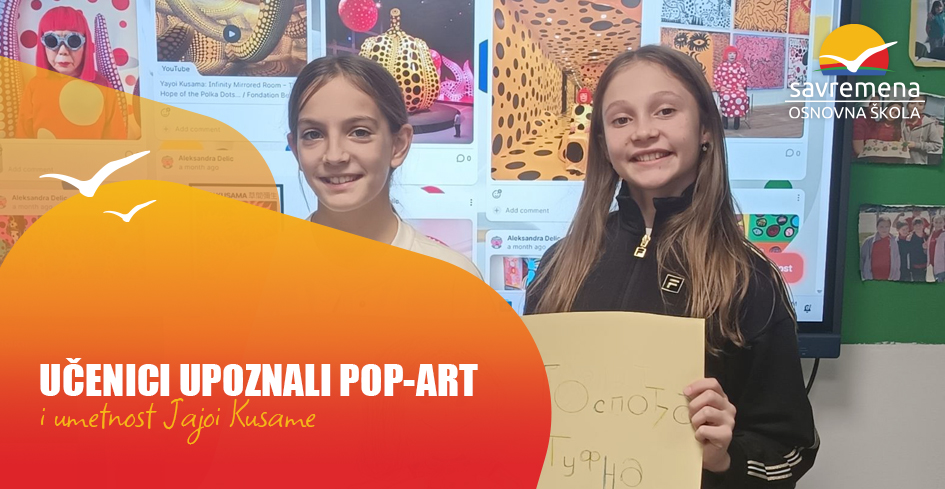
A World of Colour and Imagination: Savremena Students Explore Pop Art
Sofija Radivojevic / / Blog / November 16, 2026
A World of Colour and Imagination: Savremena Students Explore Pop Art
Inspired by Andy Warhol, Roy Lichtenstein and Yayoi Kusama, students discovered artistic styles that transform everyday images into extraordinary works of art.
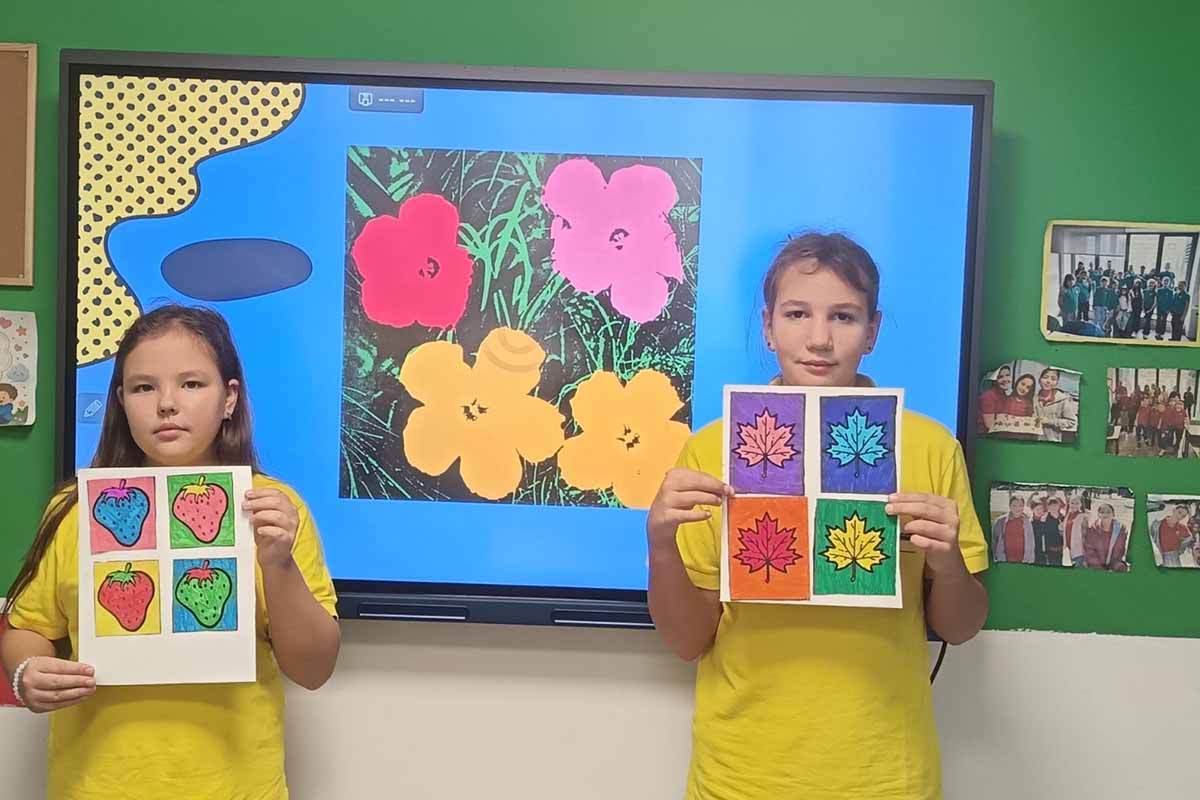
Students at Savremena Primary School discovered that art does not always have to look the way we expect during creative activities dedicated to Pop Art and contemporary artistic expression. This time, their inspiration came from the works of Andy Warhol, Roy Lichtenstein and Japanese artist Yayoi Kusama, whose distinctive styles are known for vibrant colours, fascinating patterns and unusual shapes.
The activities introduced students to artistic approaches that move beyond traditional painting, showing them how everyday objects, comic books, dots and simple shapes can become the inspiration behind famous works of art.
One of the most interesting discoveries was how different these artists are, despite sharing a desire to present familiar things in unexpected ways. While Warhol drew inspiration from popular culture, Lichtenstein became famous for his comic-book imagery, and Kusama developed a distinctive style based on repeated dots and patterns.
Through these examples, students explored just how diverse art can be and how much freedom it offers for imagination and original ideas.
Rather than simply looking at paintings by famous artists, they were encouraged to notice details, recognise different artistic styles and consider how inspiration can come from even the most ordinary things in everyday life.

From Comic-Book Imagery to Yayoi Kusama's Signature Dots
Pop Art is an artistic movement that demonstrated how inspiration can be found in even the simplest everyday objects. This made it particularly interesting for students to explore, as it connects art with images and objects they can easily recognise from the world around them.
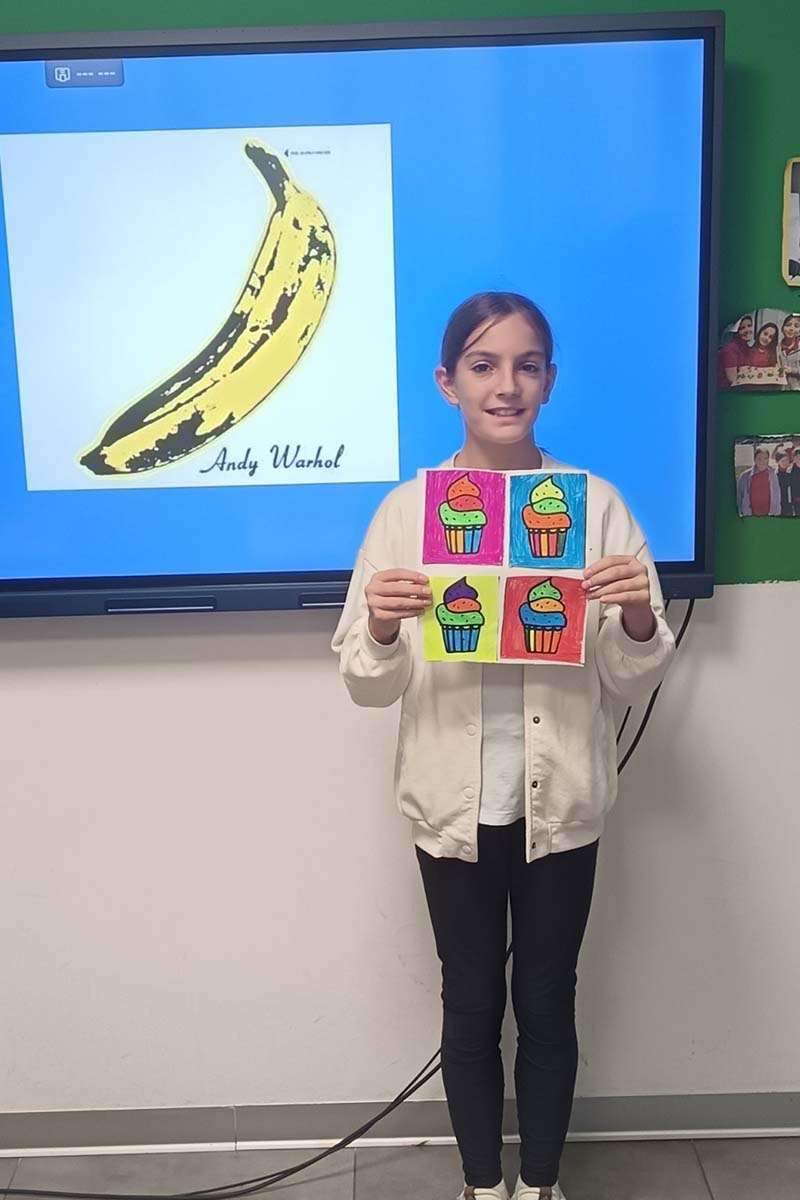
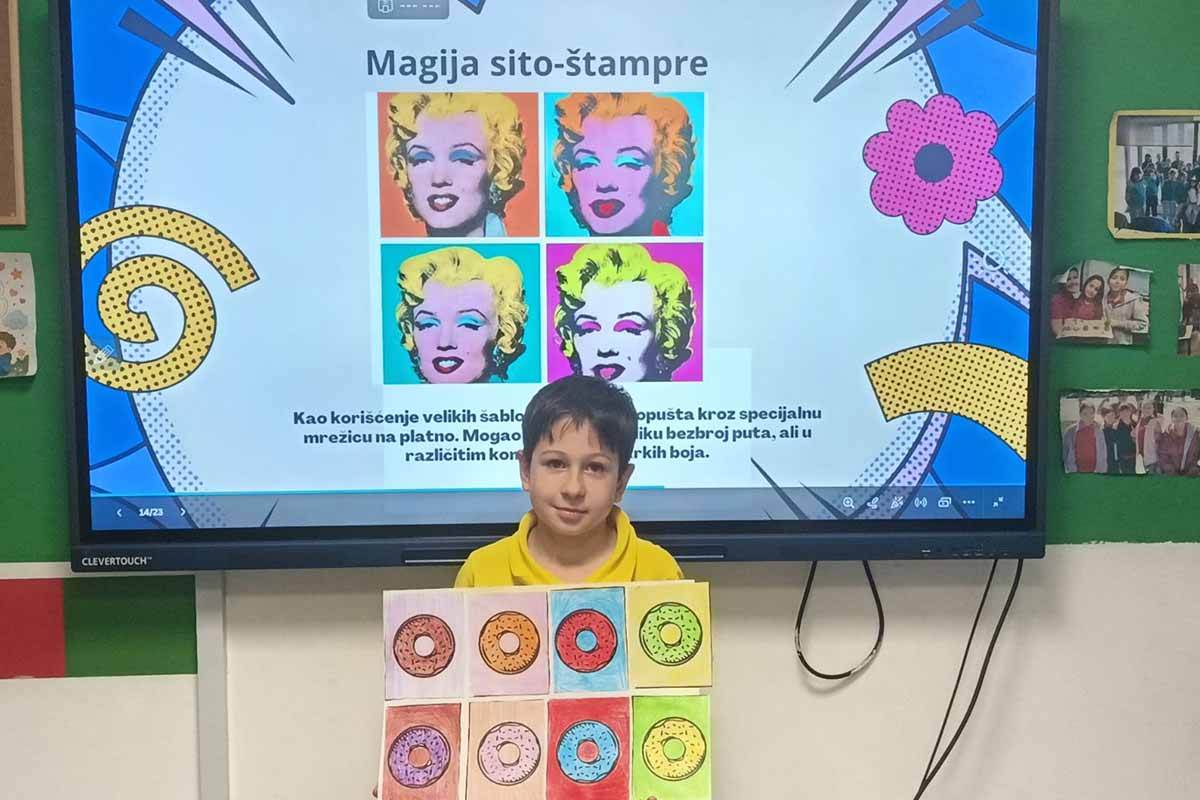
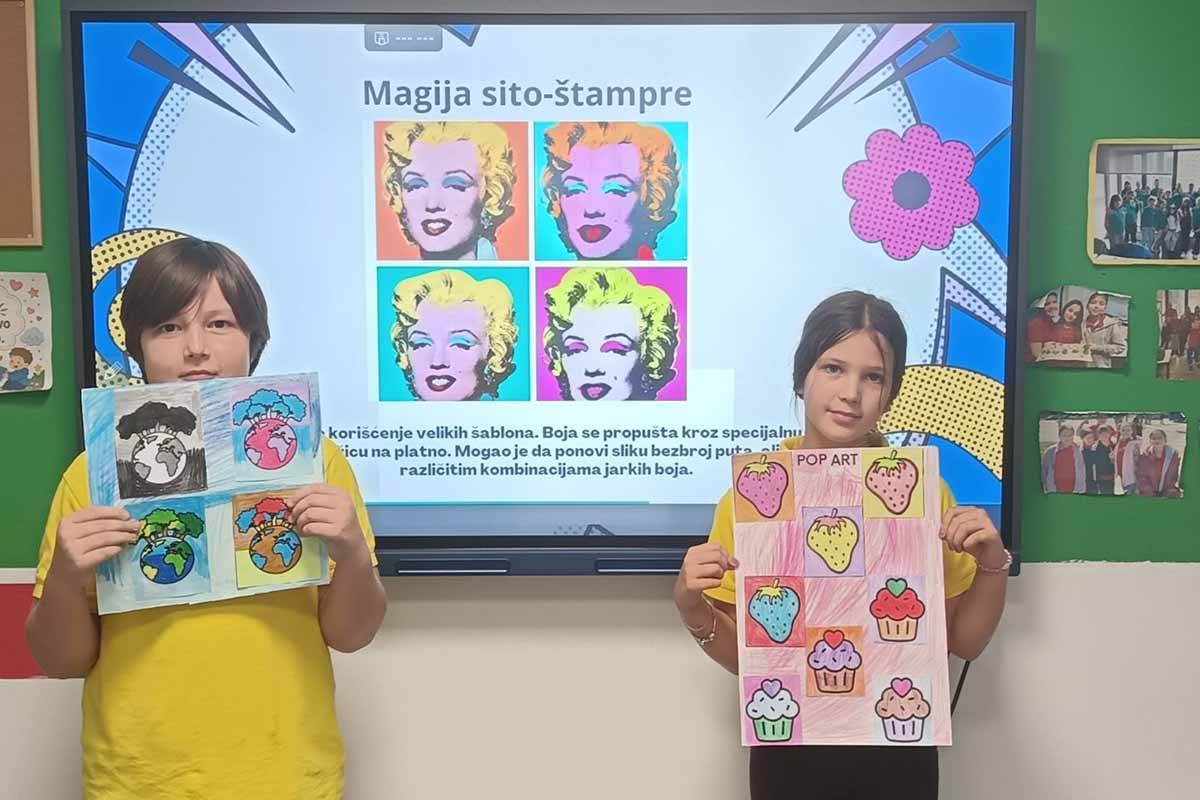
Through Andy Warhol’s work, students discovered how bright colours and repeated images can transform familiar subjects into something entirely new. Roy Lichtenstein’s paintings introduced them to art inspired by comic books, where bold outlines, dots and striking contrasts play an important role.
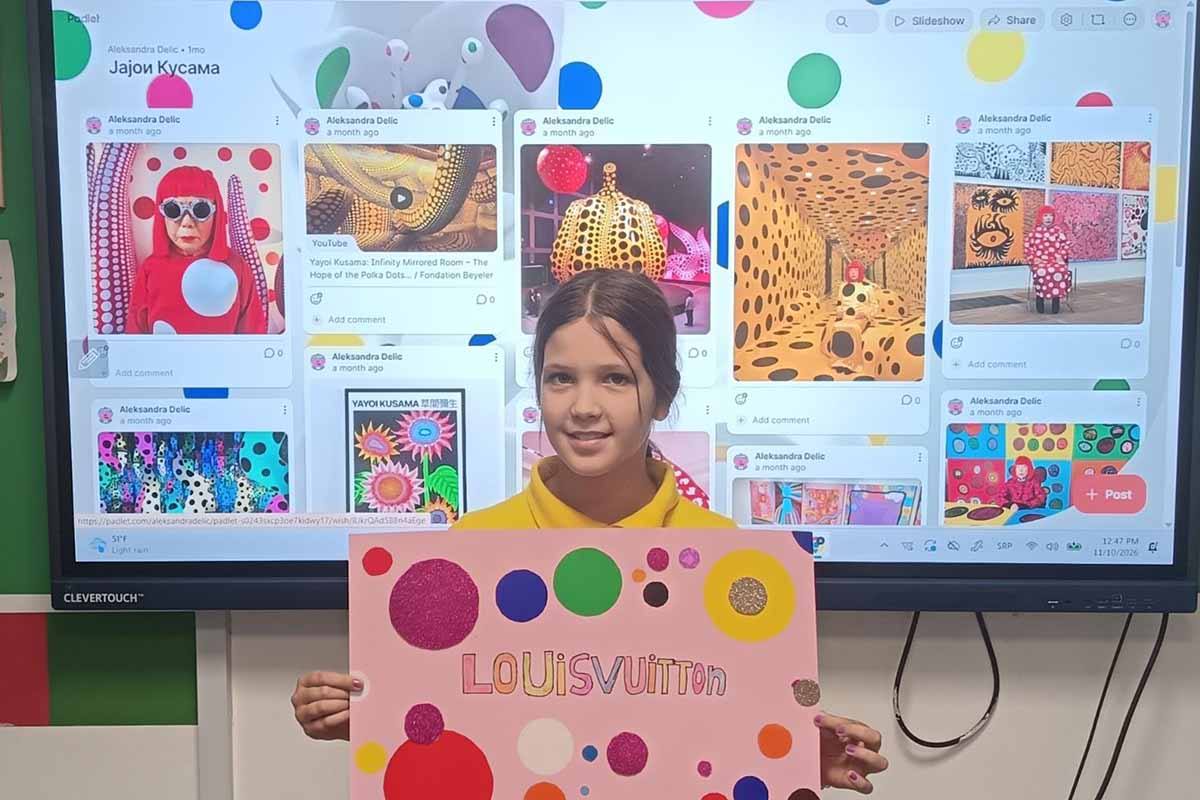
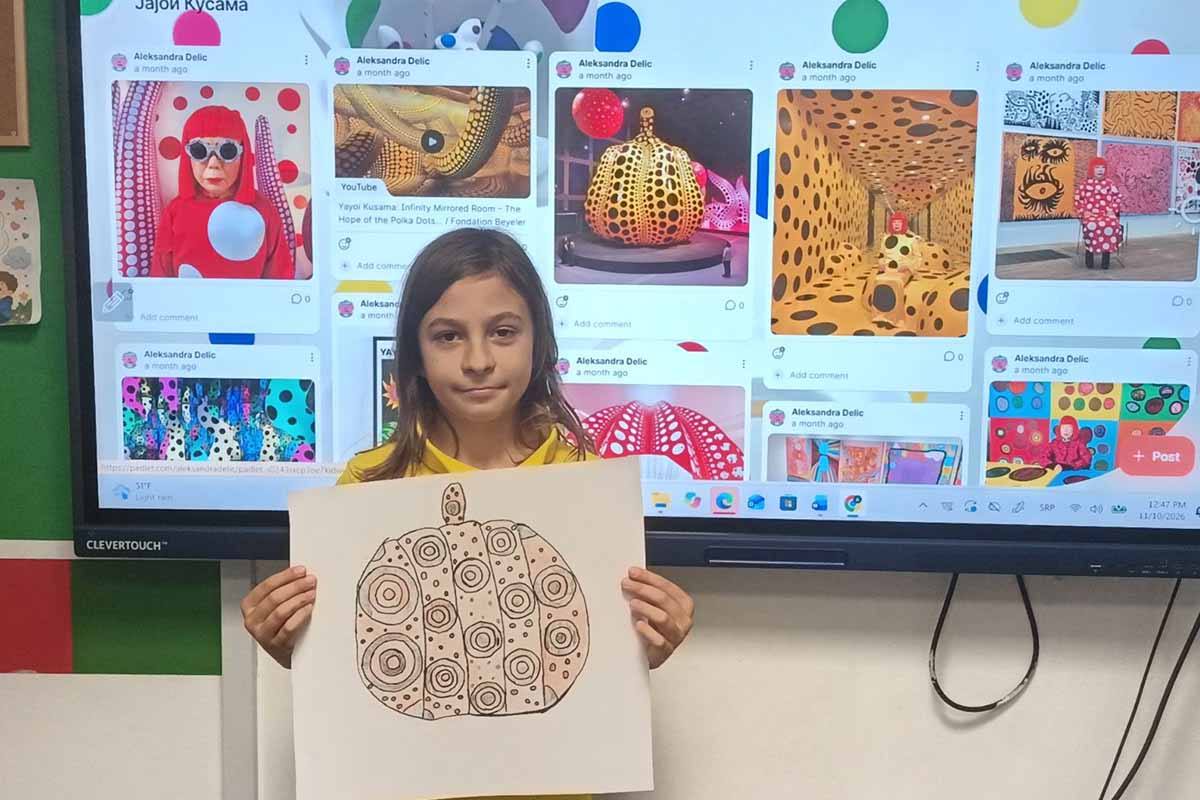
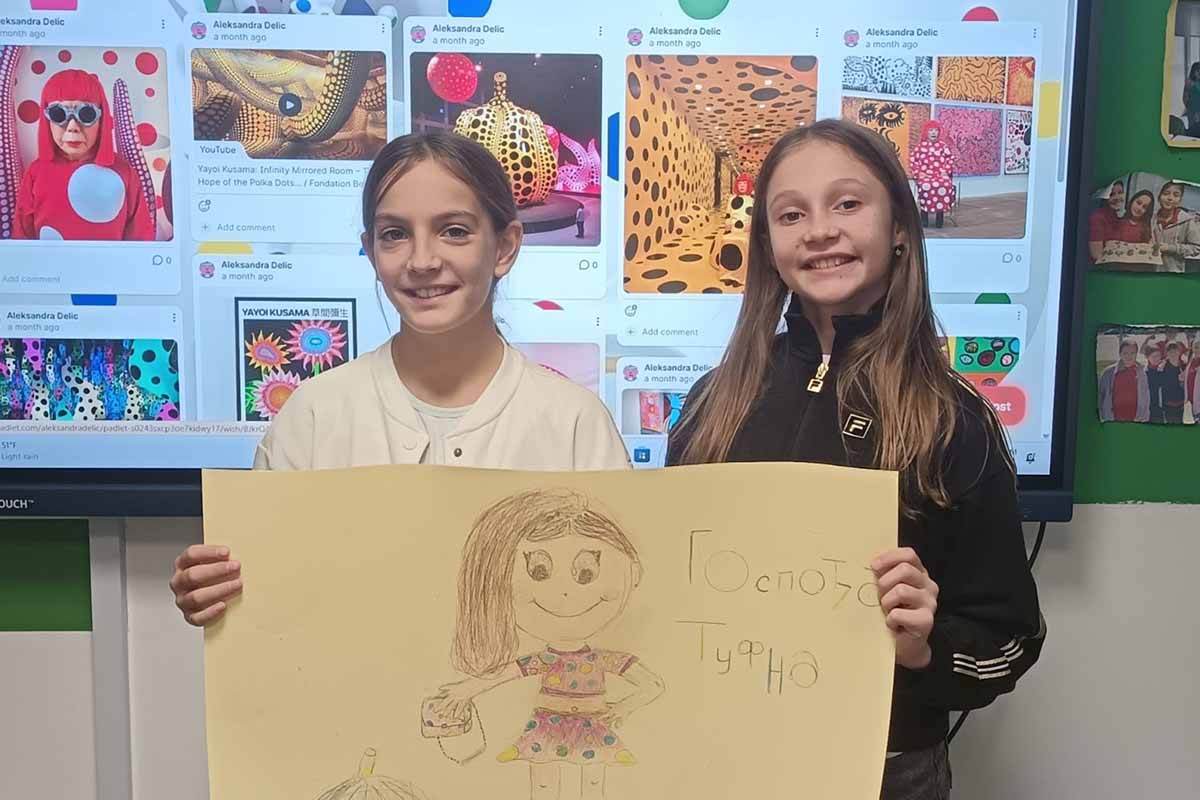
Another fascinating part of the activities was exploring the work of Yayoi Kusama, an artist famous for her unusual compositions filled with polka dots and repeated shapes. Her creations demonstrated how even the simplest visual element can become extraordinary when used imaginatively.
Discovering these artists gave students an opportunity to broaden their understanding of art and approach it with greater freedom. A painting does not always need to represent reality, and artists do not have to use the same colours, shapes or techniques to create something meaningful.
These differences are precisely what make art so fascinating. Every artist develops a unique form of expression, and through these examples, students were able to understand the importance of imagination, originality and seeing the world from different perspectives.
Creative Activities That Encourage Imagination and Self-Expression
At Savremena Primary School, art activities play an important role in developing children’s creativity. They give students the opportunity to discover different artistic movements, explore new ideas and gradually develop their own ways of expressing themselves.
Learning about Pop Art and Yayoi Kusama’s work demonstrates how engaging education can be when famous artists and their creations are introduced through subjects that spark children’s natural curiosity.
Activities like these encourage students to think differently, explore the possibilities of colours and shapes, and feel confident expressing their own ideas. They also help develop observation skills, attention to detail and an understanding that art can be interpreted in many different ways.
This reflects Savremena’s approach to education, where children are not simply observers but active participants in the learning process, with opportunities to ask questions, explore different perspectives and discover what inspires them.
Perhaps the most important message of these artistic activities is that creativity does not require complicated ideas. Sometimes, a single colour, an interesting shape or an ordinary everyday image is enough to open the door to an entirely new world of possibilities.