




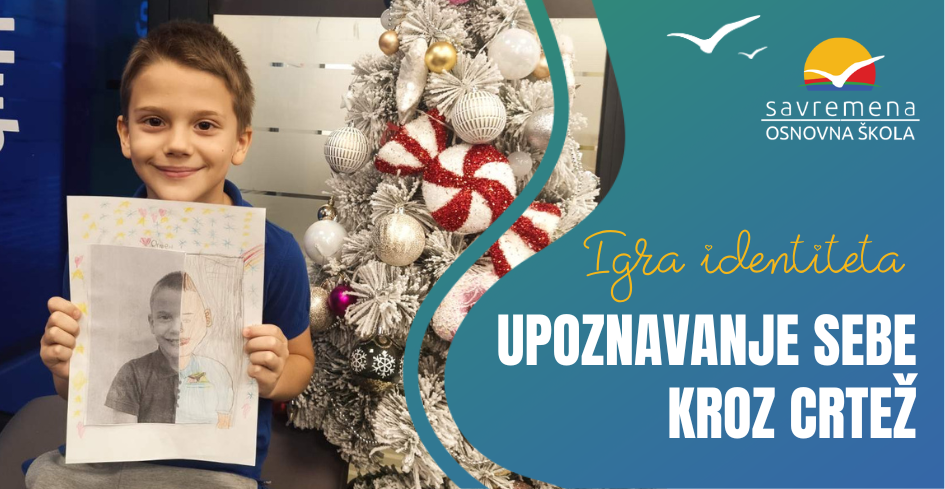
The identity game – discovering the self through drawing

/ / Blog / December 11, 2025

The identity game - discovering the self through drawing

From Observation to Creative Expression

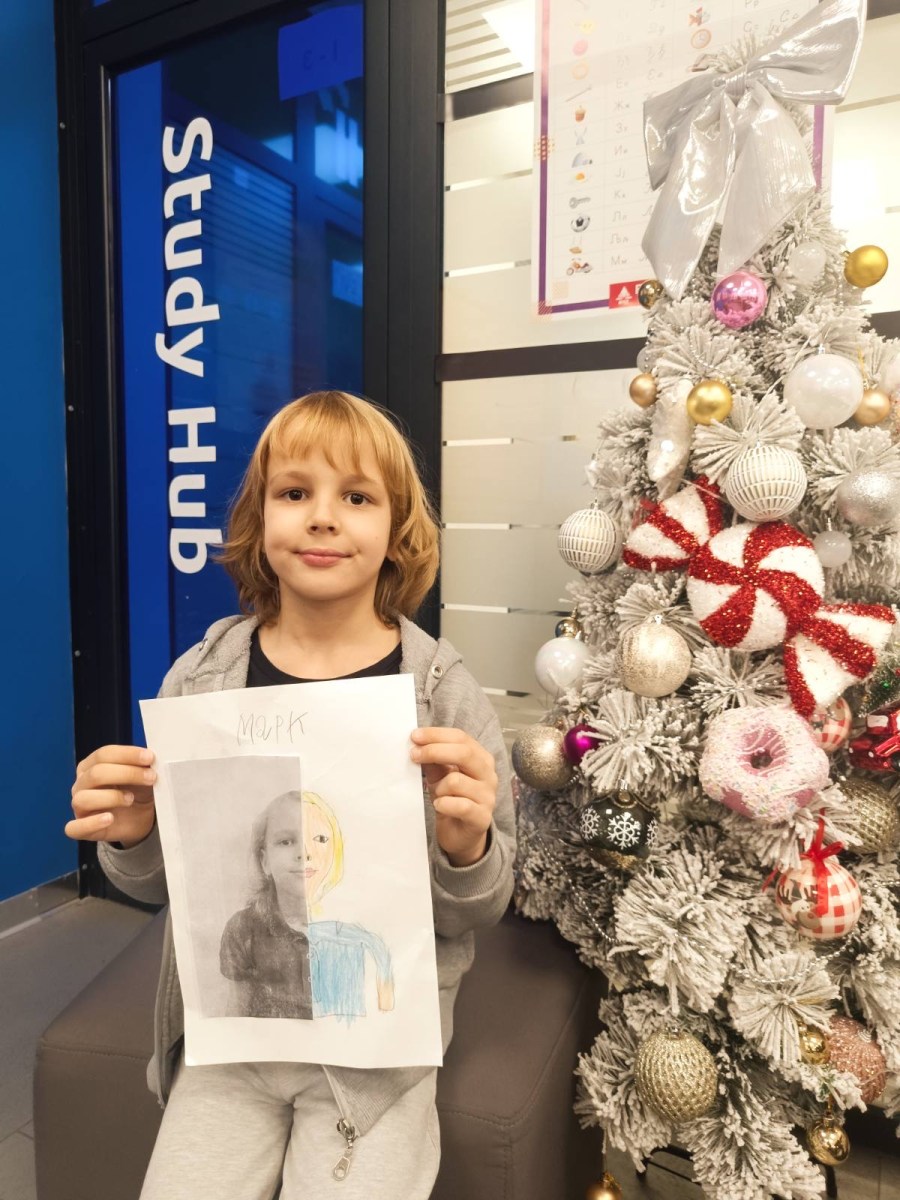
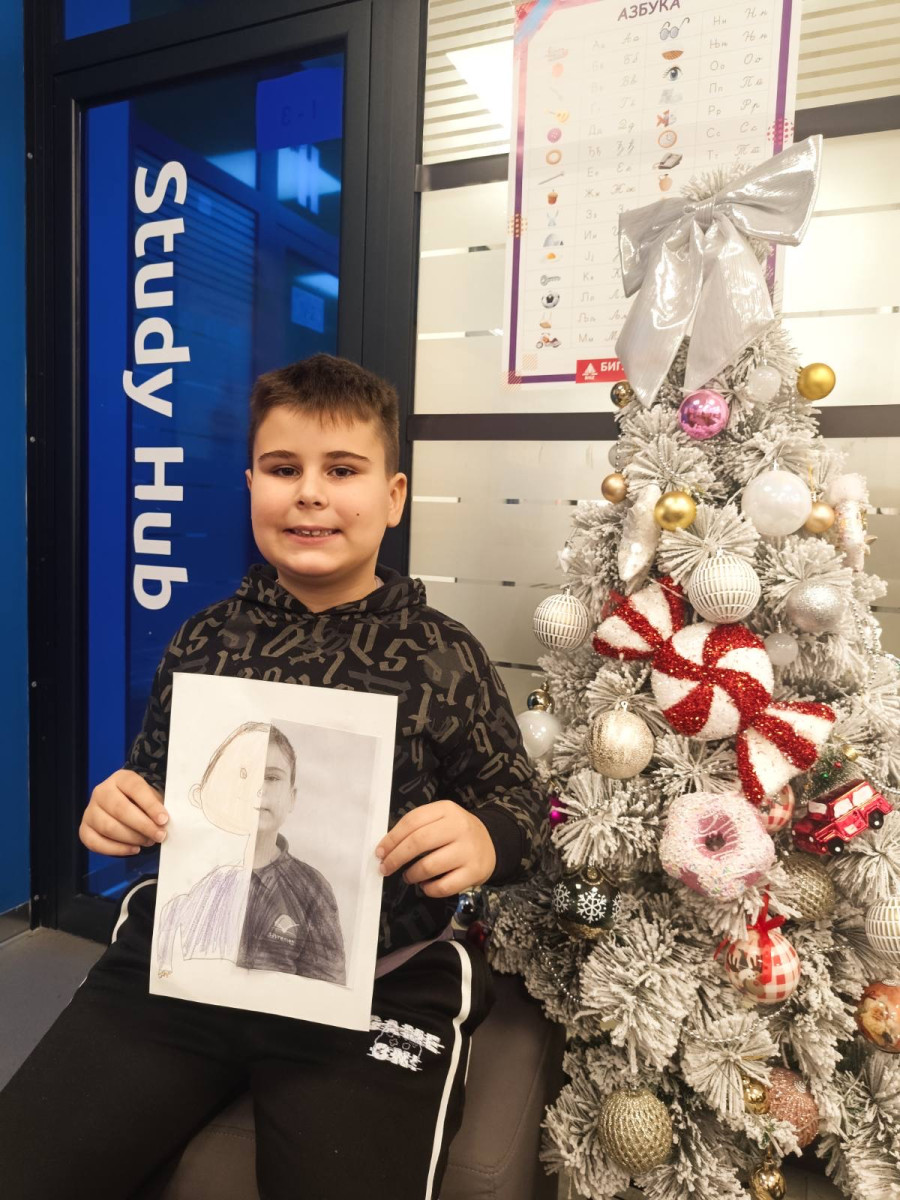
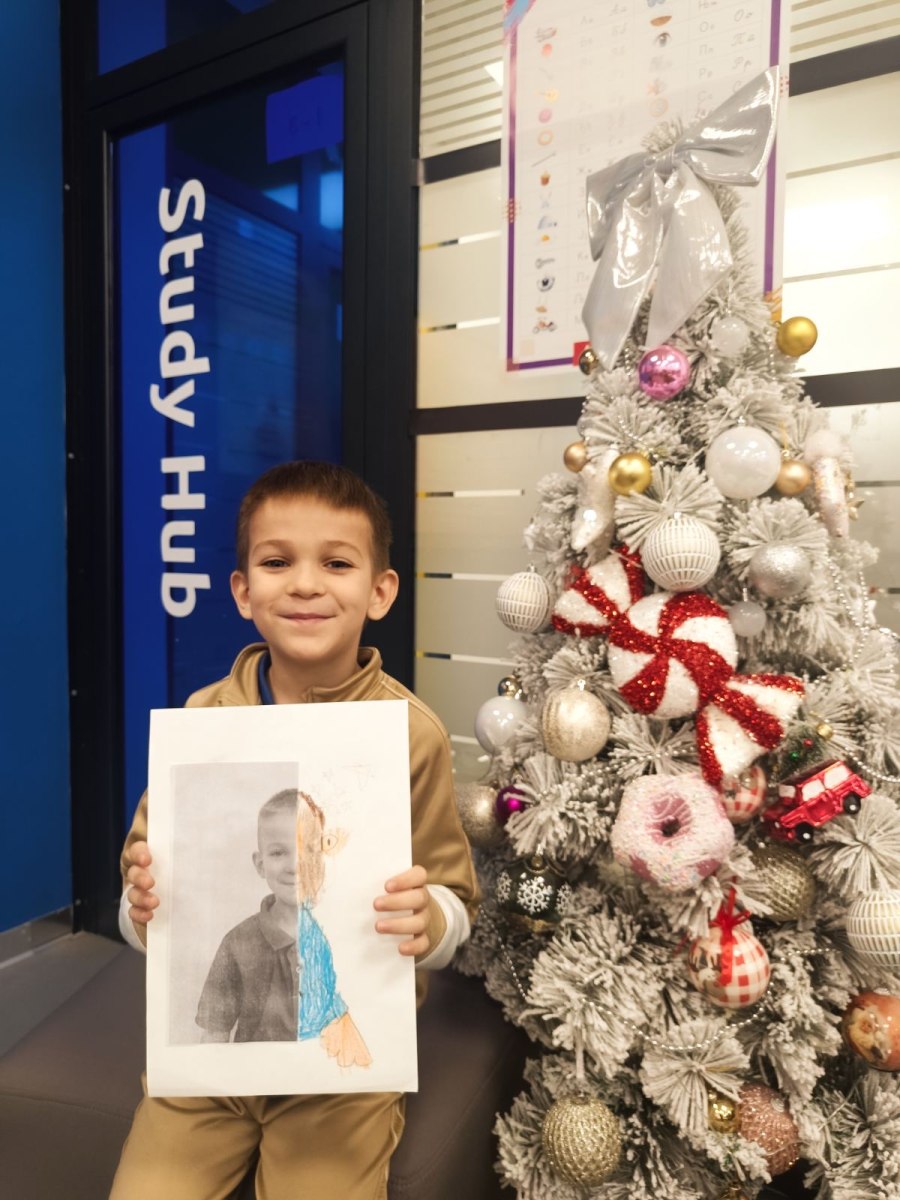
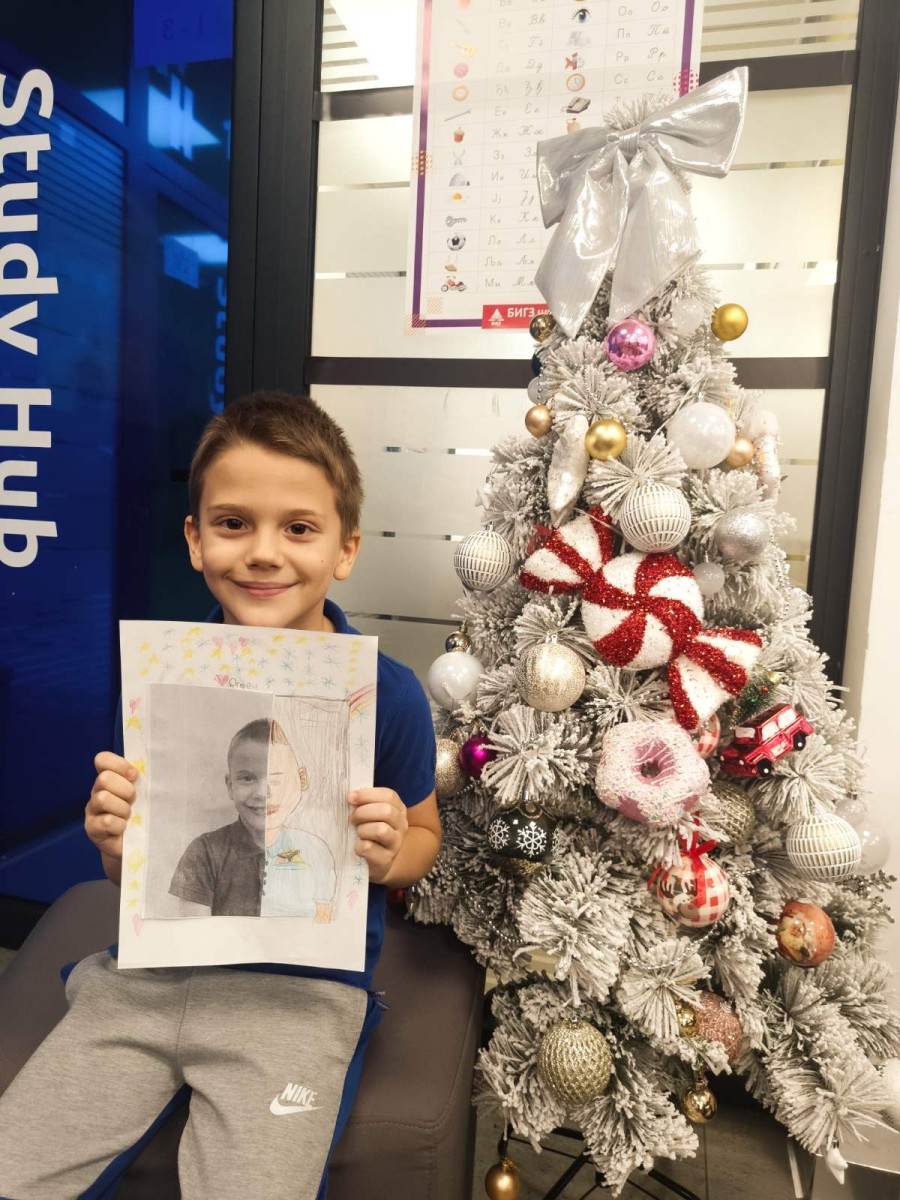
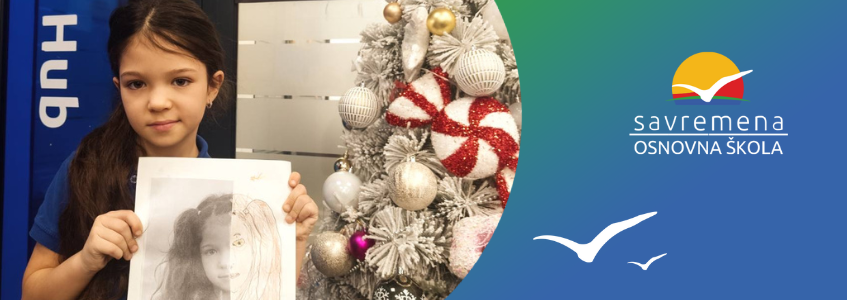
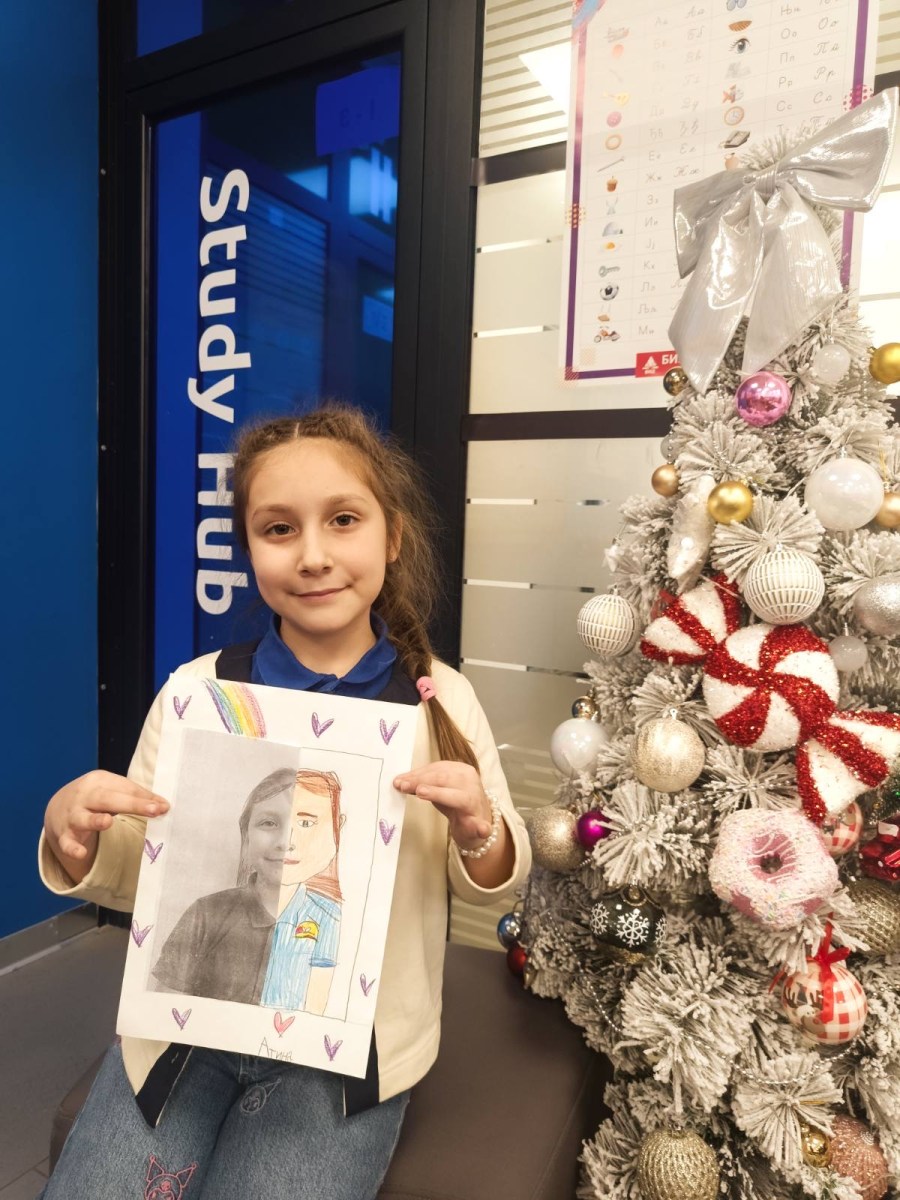
In an art class, first-grade students explored self-portraits in a creative and contemporary way that combined observation, imagination, and personal expression. Starting from their own photograph, students were asked to complete the second half of their portrait by drawing themselves as they see, imagine, or feel themselves to be. This unusual blend of reality and imagination allowed children to express themselves freely, without fear of making mistakes.

The task was designed to spark curiosity and engagement while introducing the idea that art does not always have a single correct solution. Through this activity, art class became a space where each child could show their authenticity. Instead of traditional drawing exercises, students created visual stories about themselves, guided by their own imagination and emotions.
The Blend of Photography and Drawing

The process of creating self-portraits began with careful observation of the photograph, helping students notice basic facial features such as shape, expression, and details. The second half of the portrait was left entirely to their imagination—how it would look, which colours they would use, and what they wanted to highlight as important. It was in this part of the task that students demonstrated remarkable freedom and originality.

Some children added bright colours, symbols, and details that represent them, while others chose calmer tones and simple lines. Each artwork was different, yet equally valuable. Through this process, students developed fine motor skills, observation skills, and confidence in their own ideas. The activity encouraged them to trust themselves and view their work as something personal and meaningful.

Learning Through Creation

This approach to teaching highlighted how important it is for students, from an early age, to have opportunities for expression without rigid boundaries. In first grade, art education is not only about learning drawing techniques, but also about discovering oneself, understanding emotions, and exploring how children perceive the world around them. Through creative tasks, students learn that diversity is natural and valuable.

The students’ self-portraits reflect their imagination, courage, and joy in creating. In a supportive classroom environment, they showed how powerful art can be as a tool for learning and personal development. Lessons like these help build self-confidence, a positive self-image, and a love for learning—creating experiences that stay with children and encourage them to express themselves freely.


Viber WhatsApp