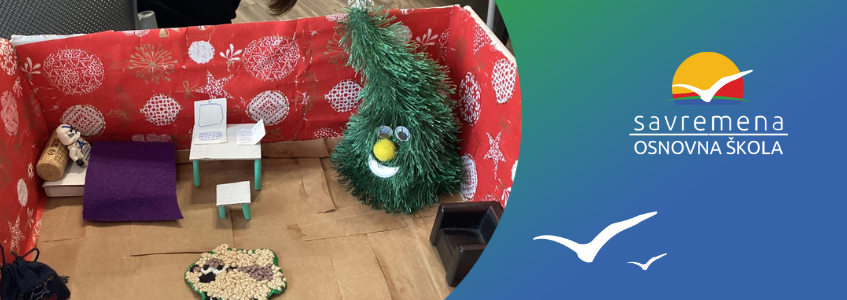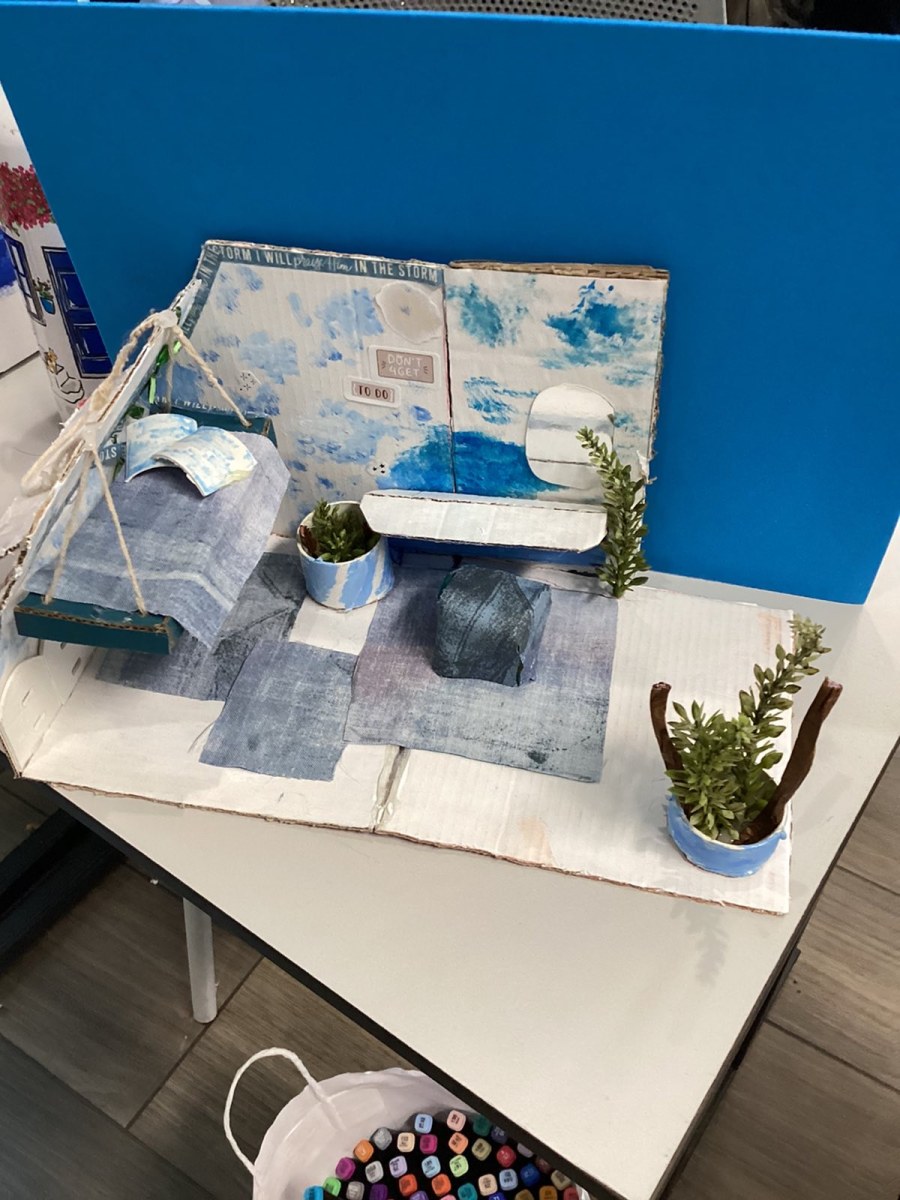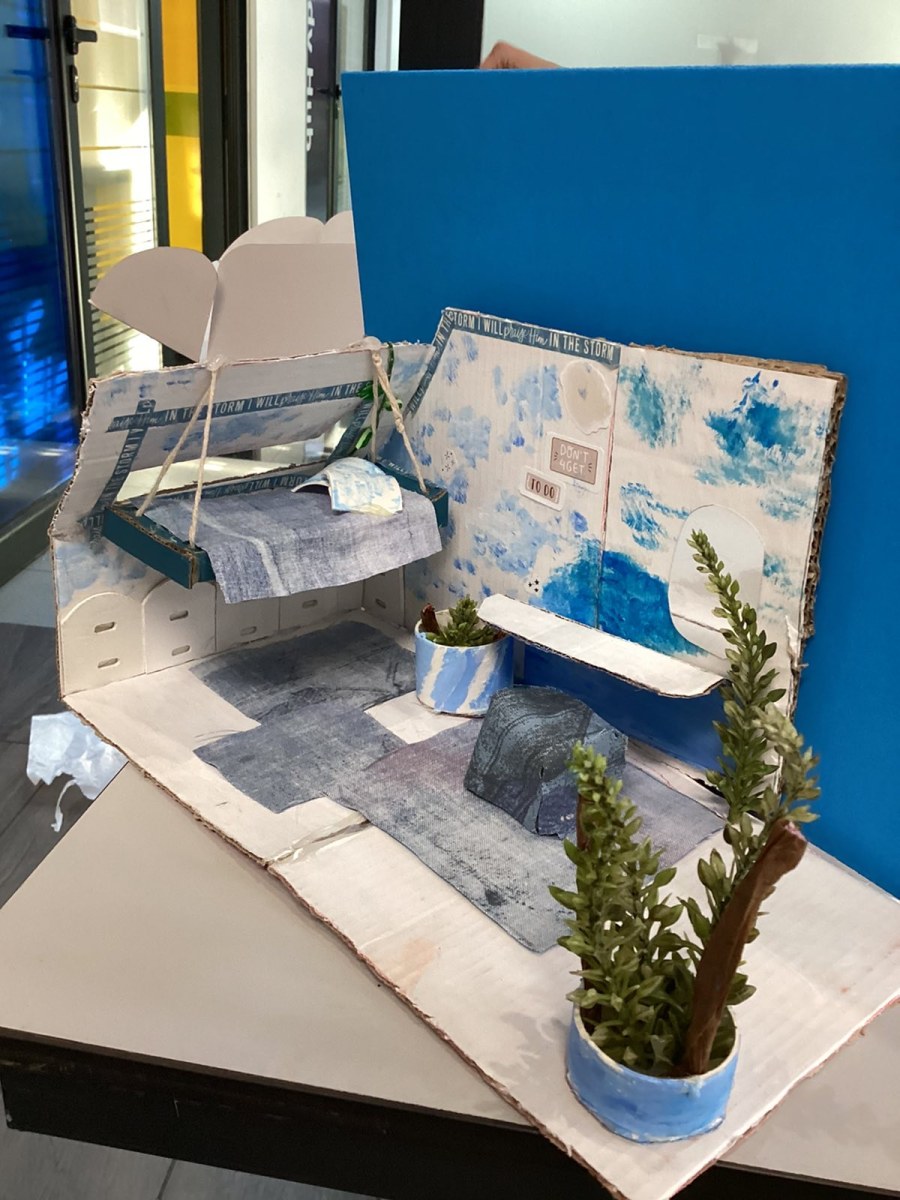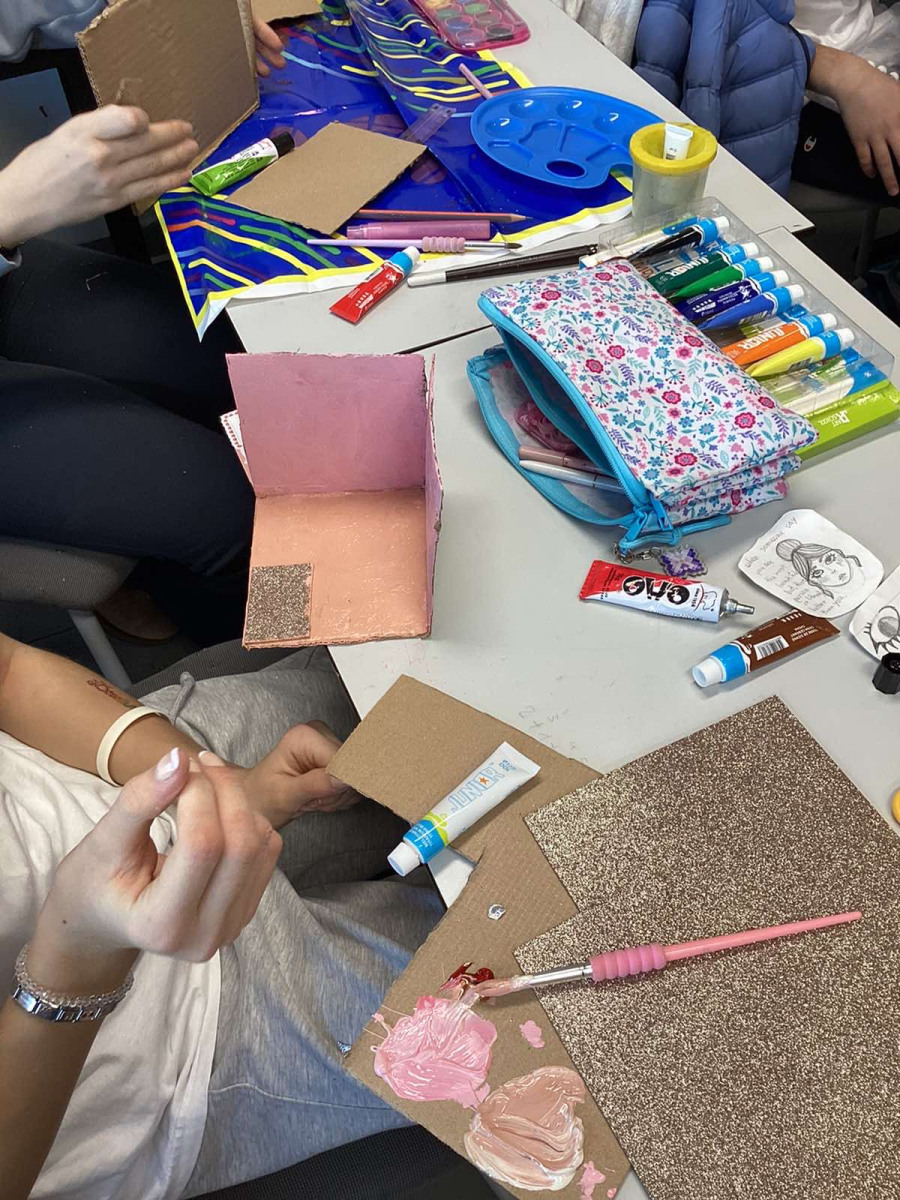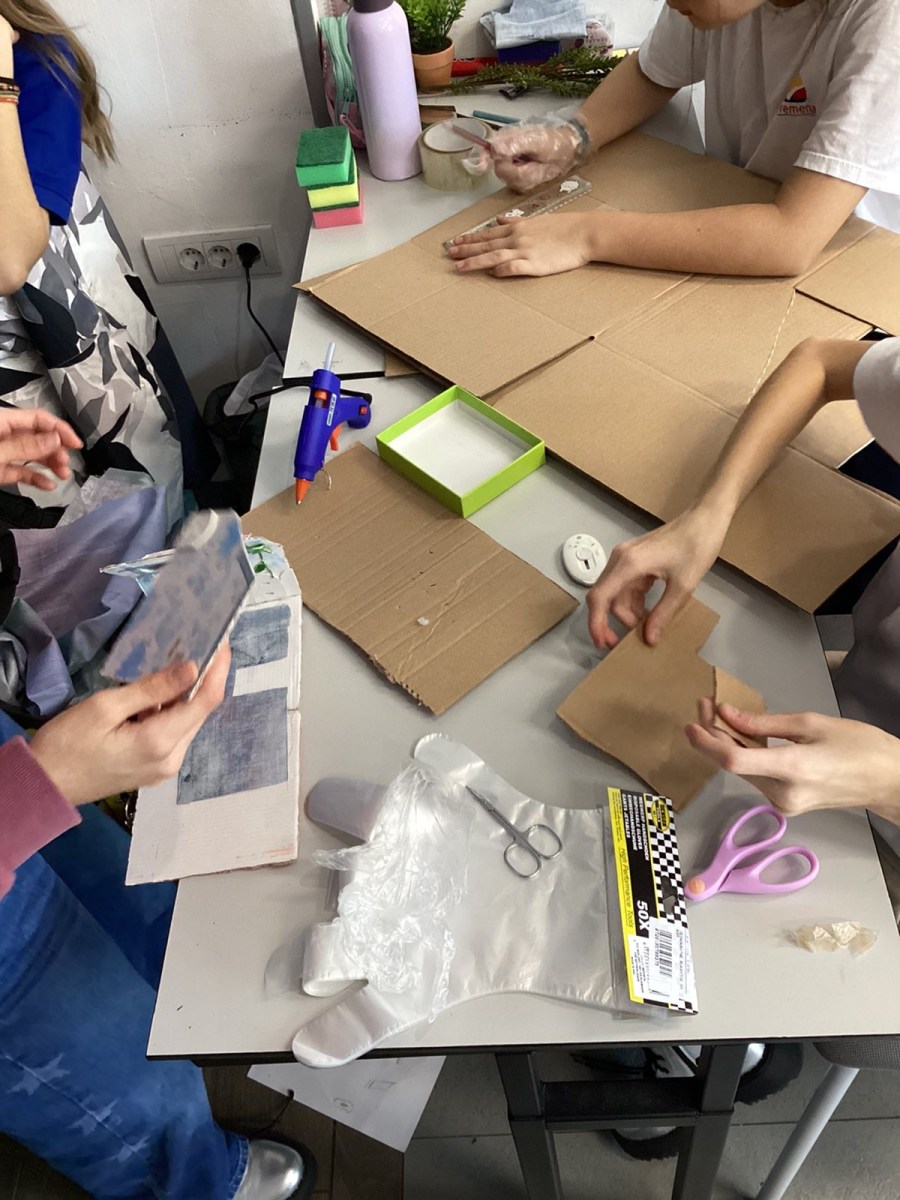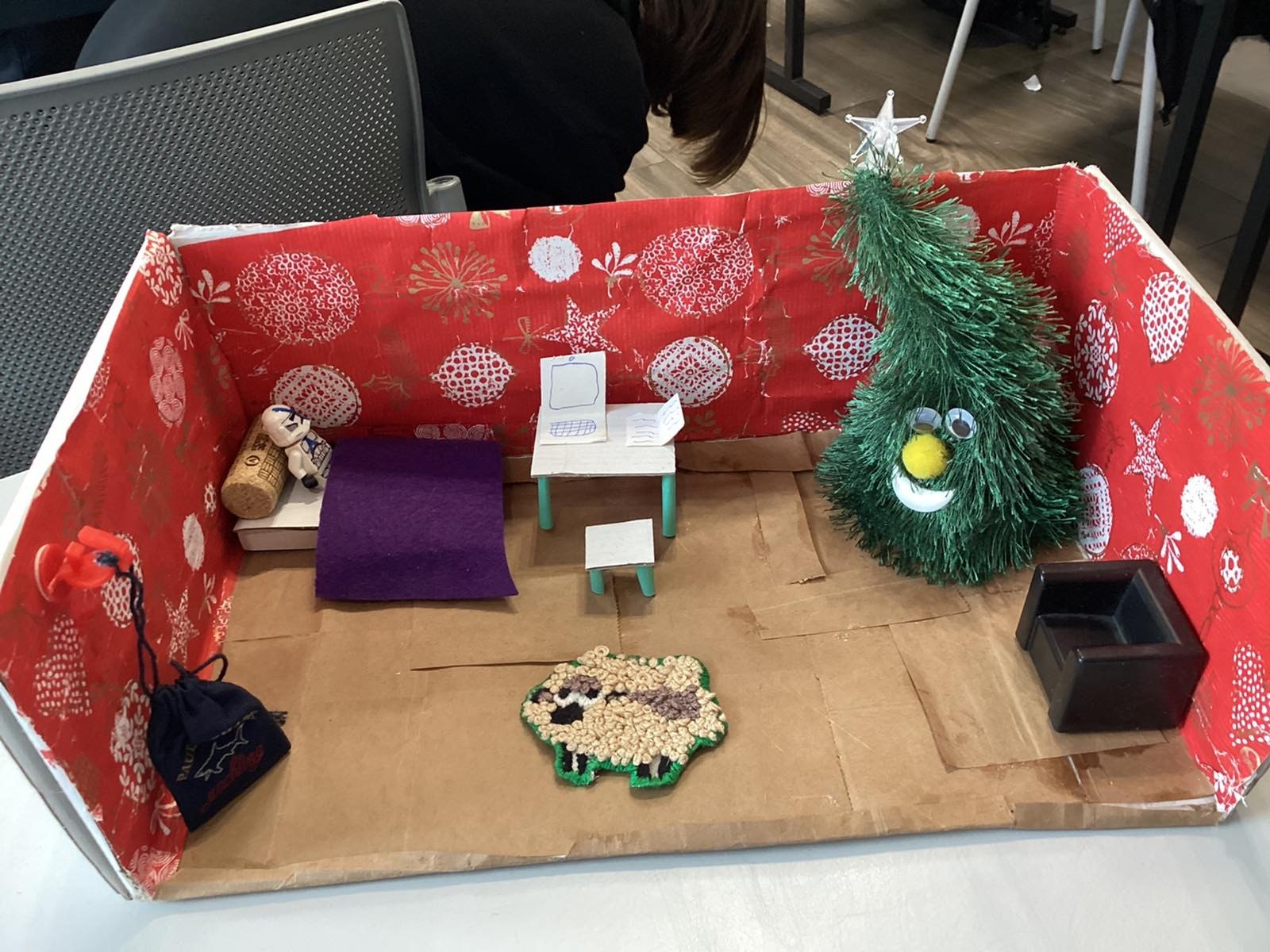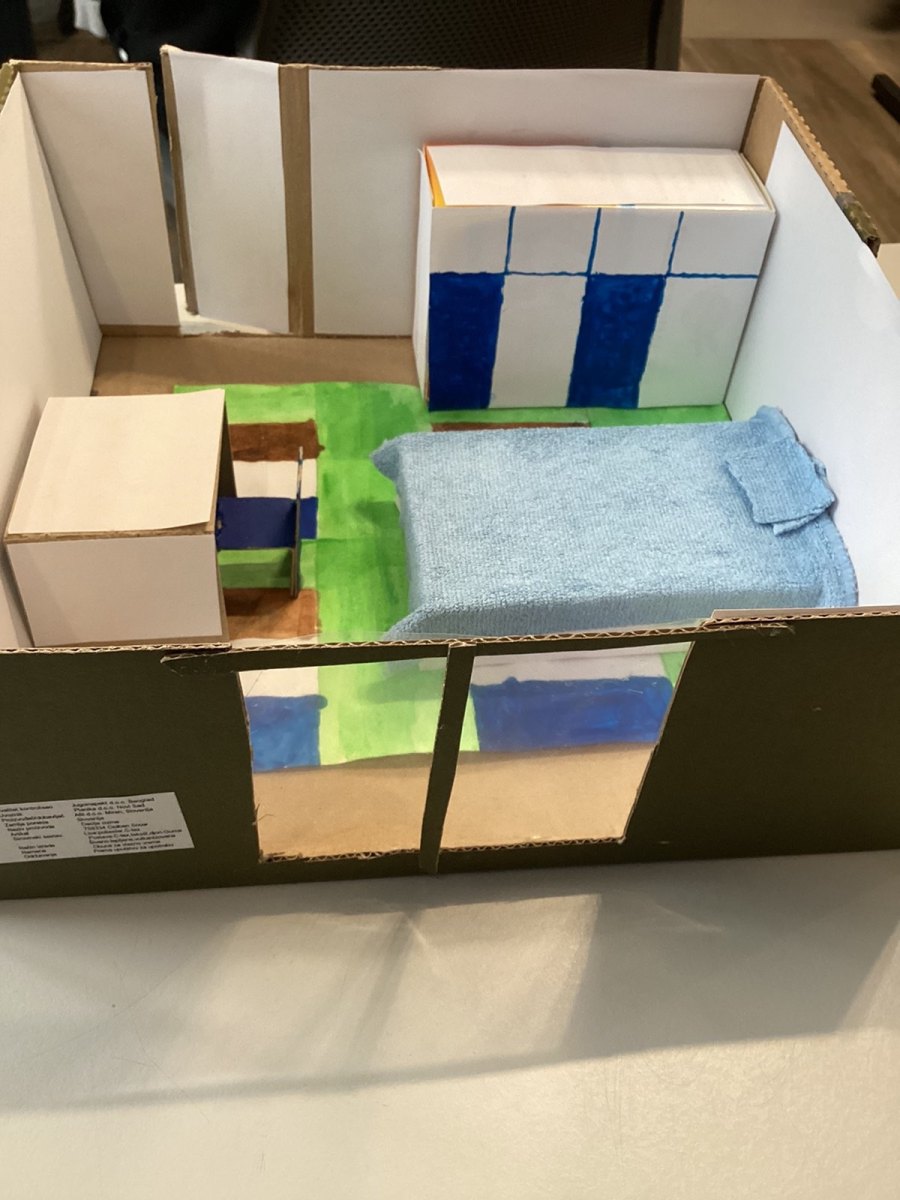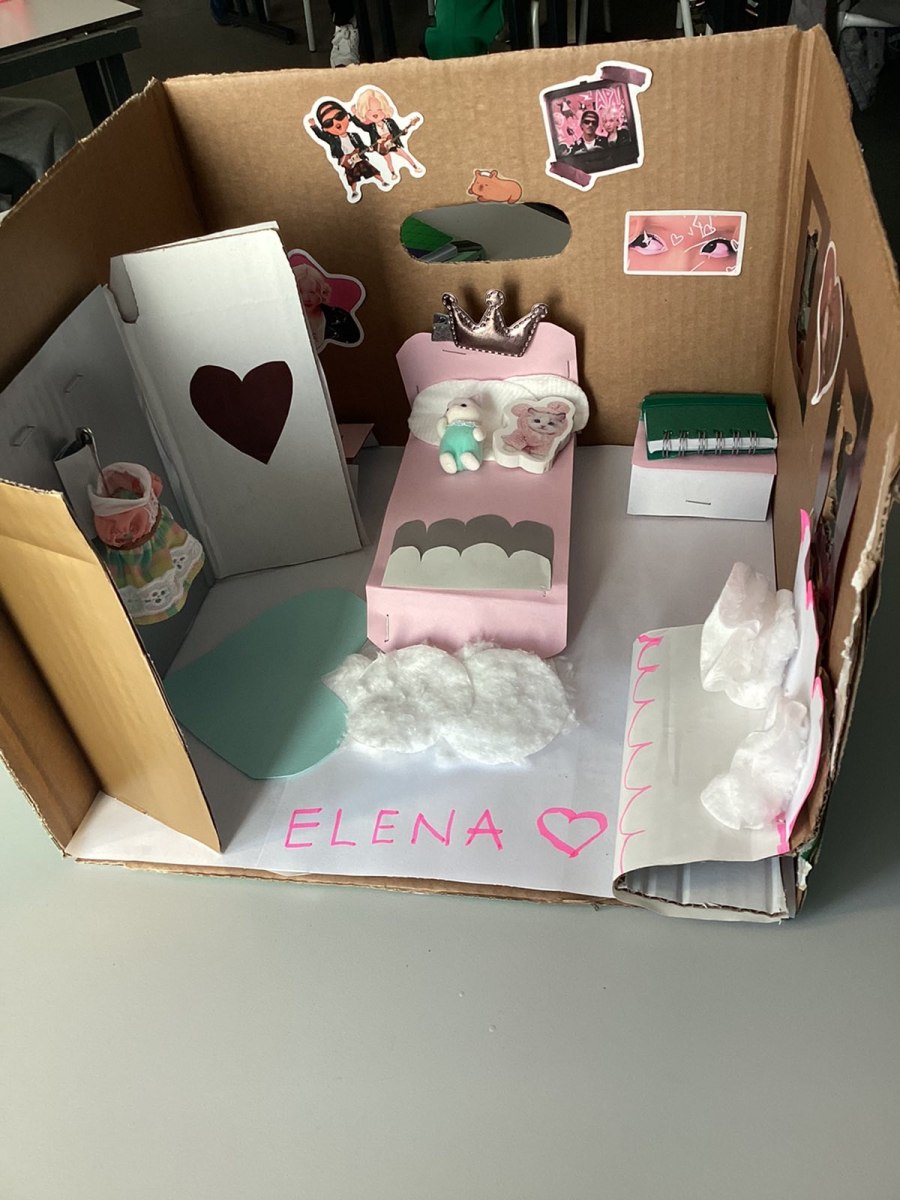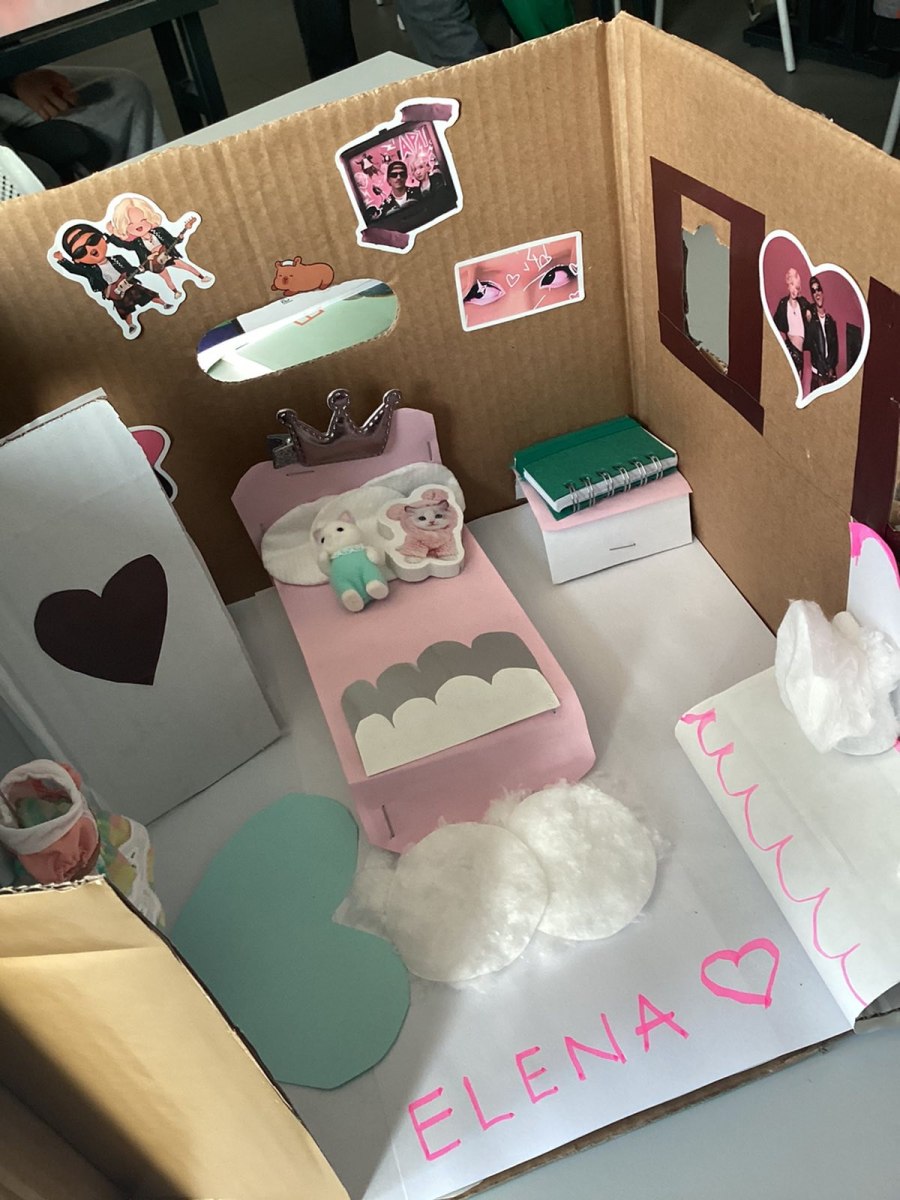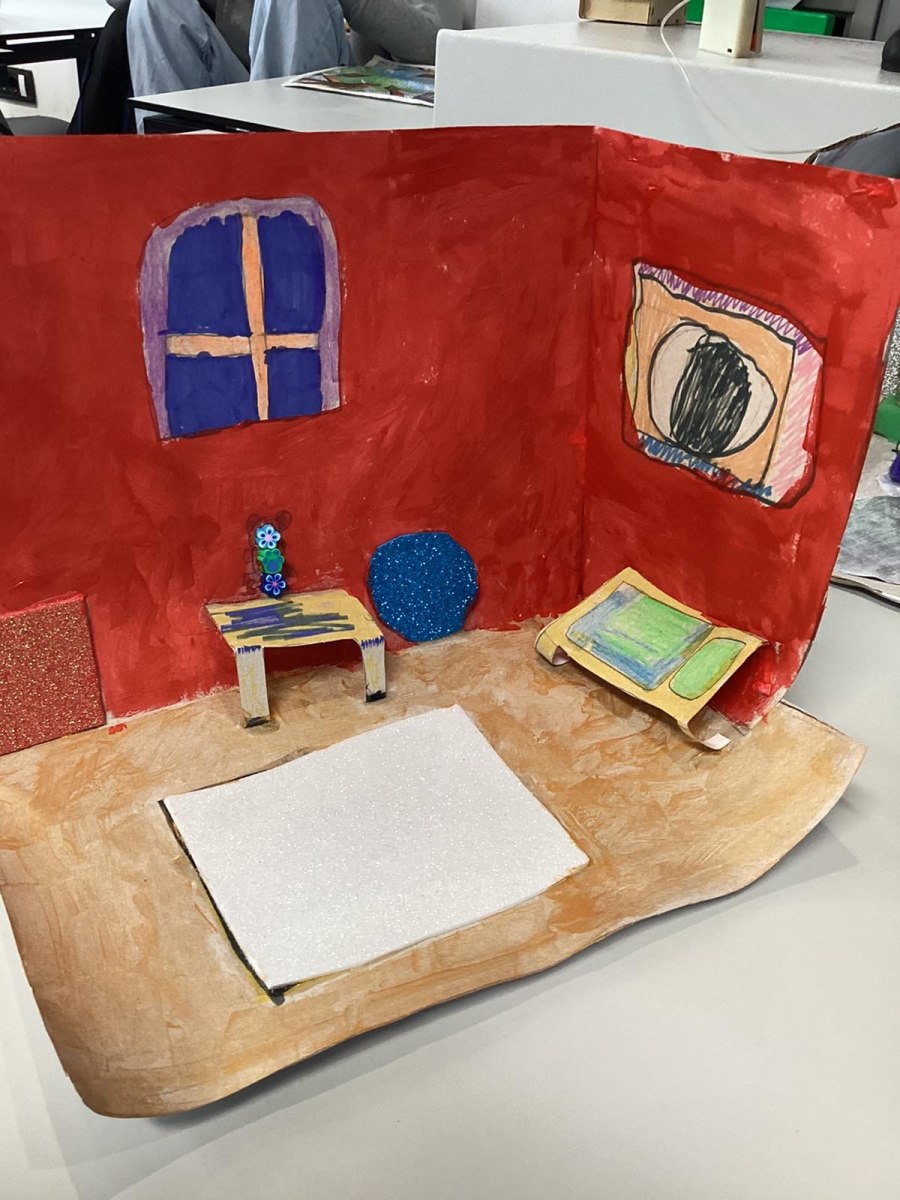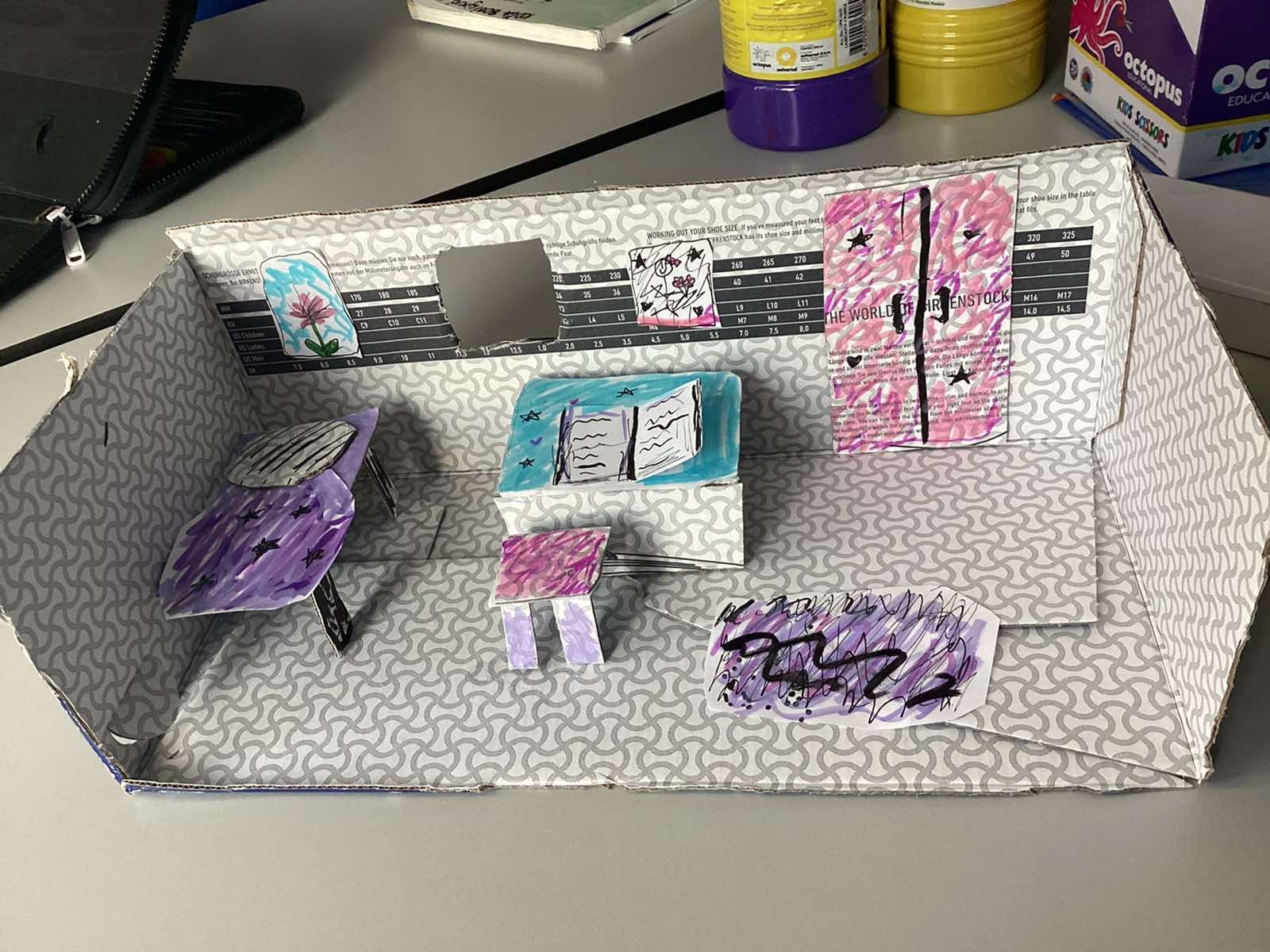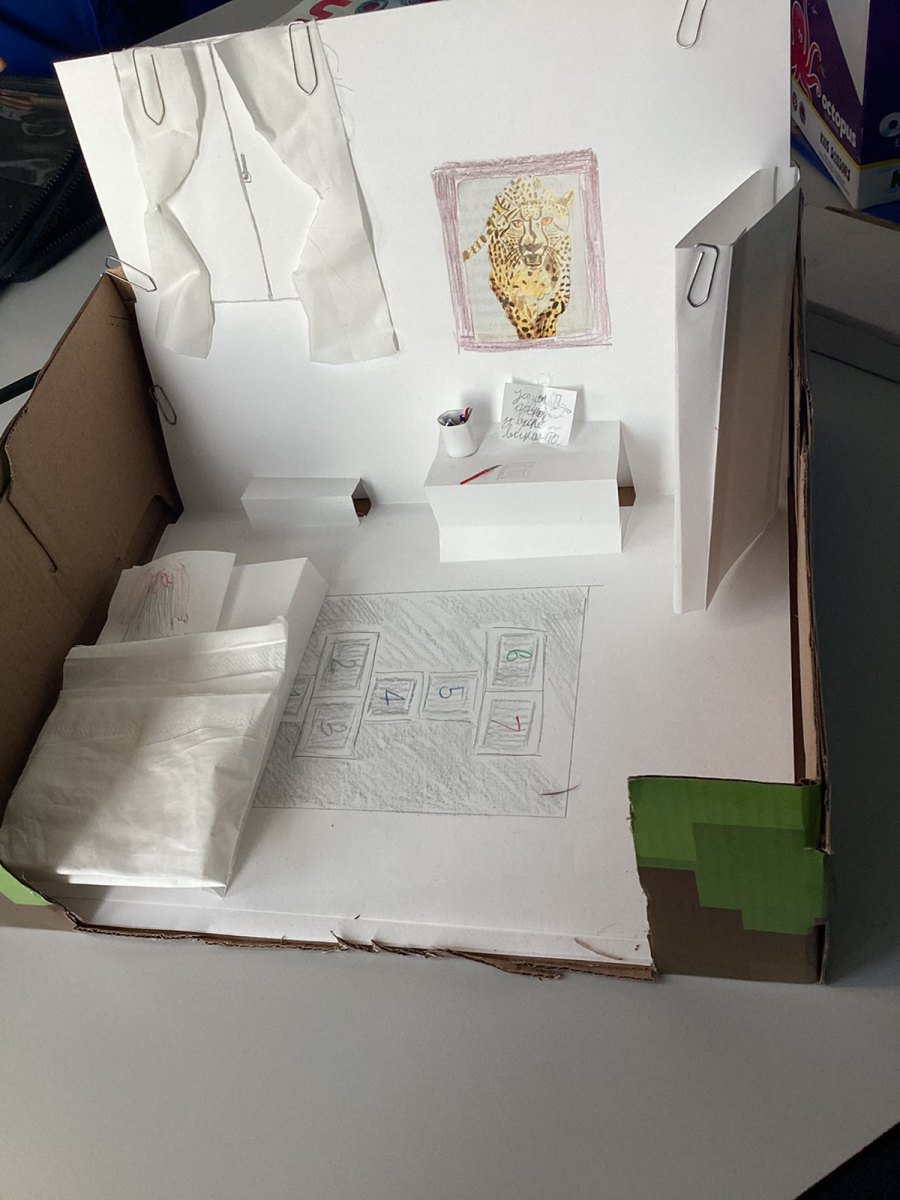





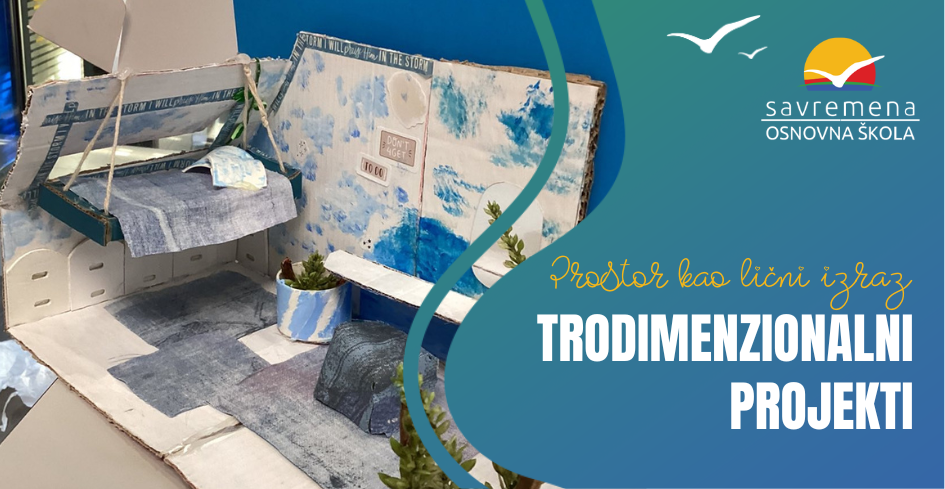
Students from the upper grades worked on projects involving the creation of three-dimensional models representing their bedrooms, as well as the spaces they imagine they might design for themselves in the future. The task was designed to encourage students to think about the spaces they live in—their purpose, organisation and the impact they have on everyday life. Through this process, a bedroom was not viewed merely as a place for rest, but as a personal space that reflects interests, habits and ways of thinking. Each student was free to interpret the task in their own way, resulting in a wide range of authentic and highly personal solutions.
Working on the models allowed students to combine imagination with reality, while also encouraging them to think ahead—about how their space might change as their needs and interests evolve over time. Some projects clearly emphasised functionality and practicality, while others focused more on aesthetics, colours, details and atmosphere. This diversity of approaches highlighted how the task opened space for individual expression, while also reinforcing the idea that there is no single “correct” solution when it comes to designing a personal environment.