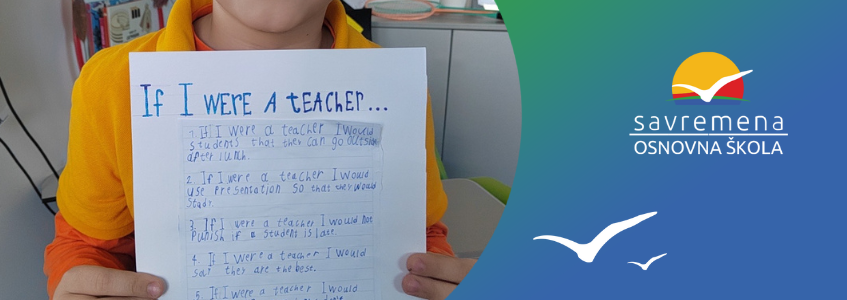
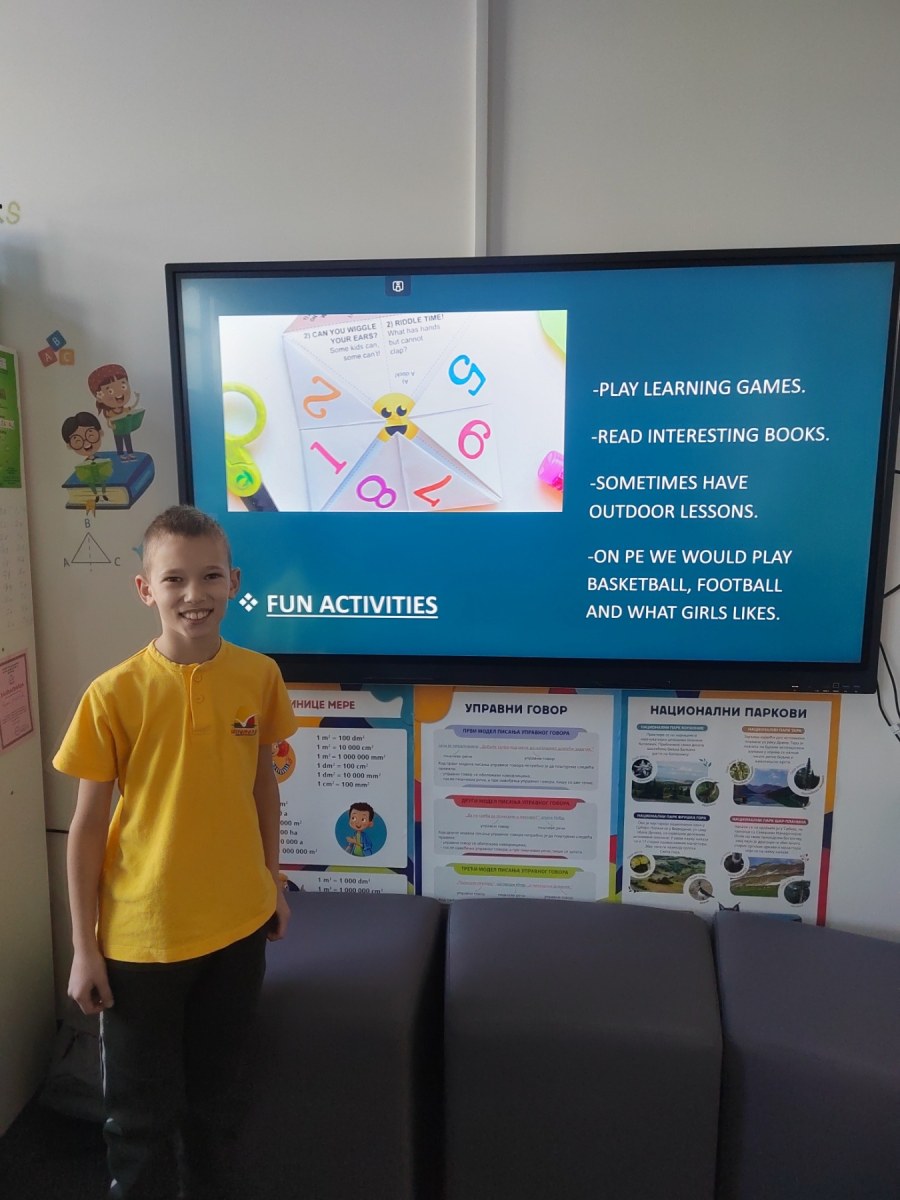
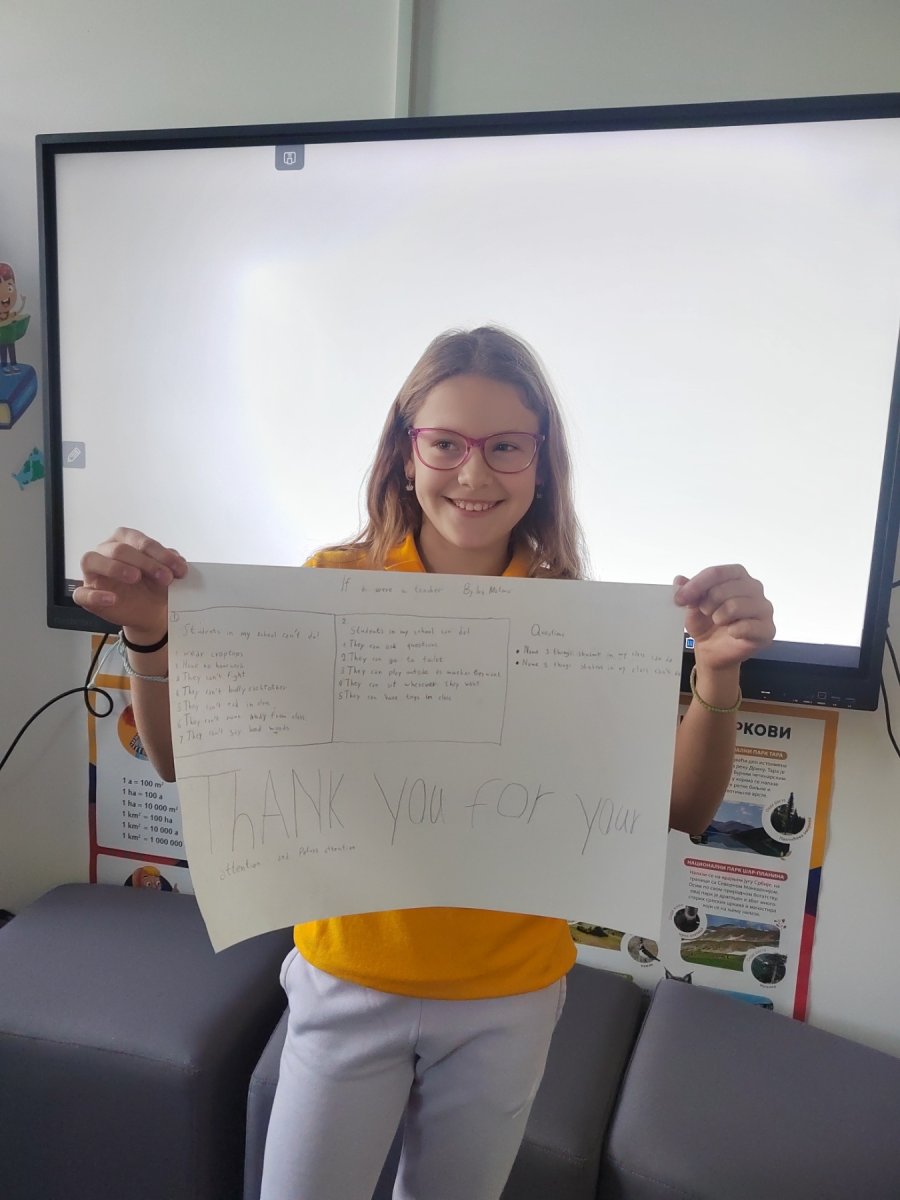
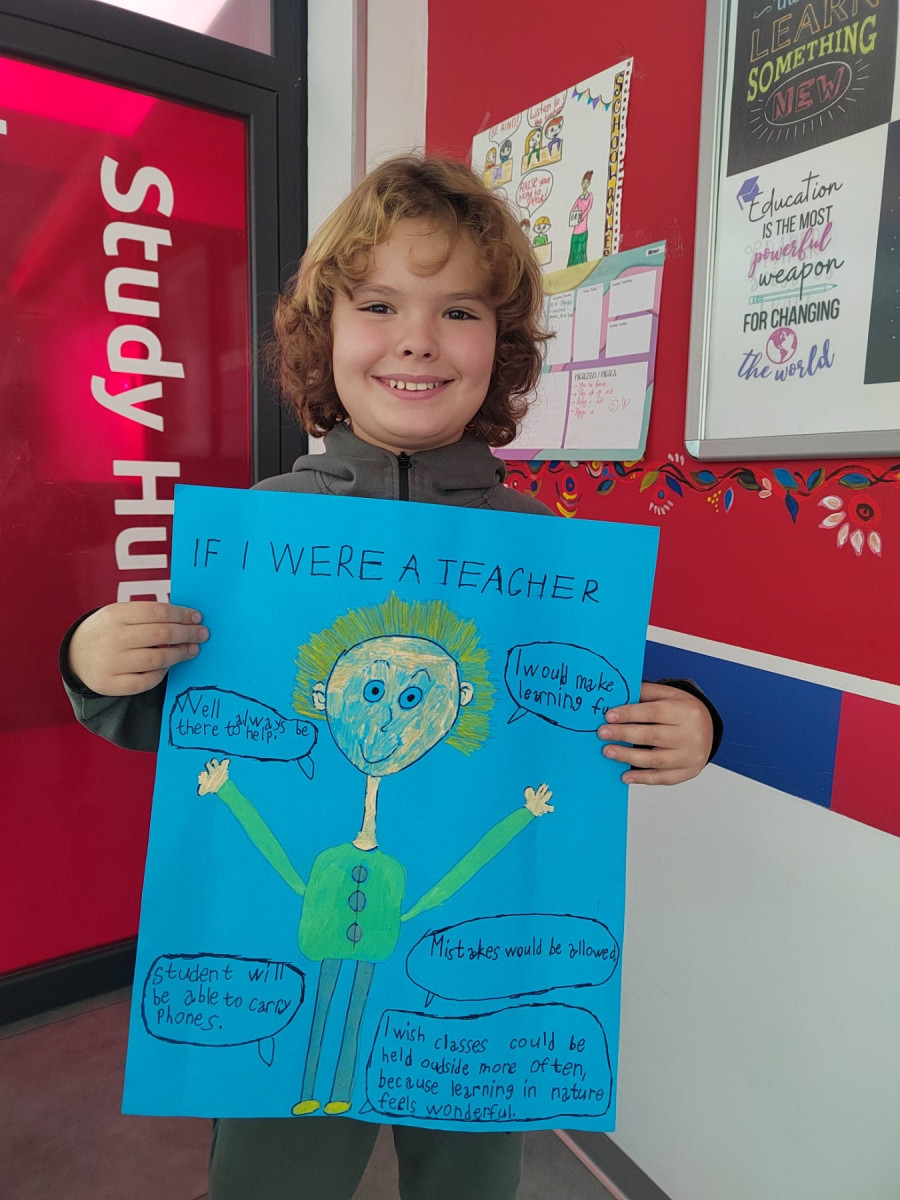
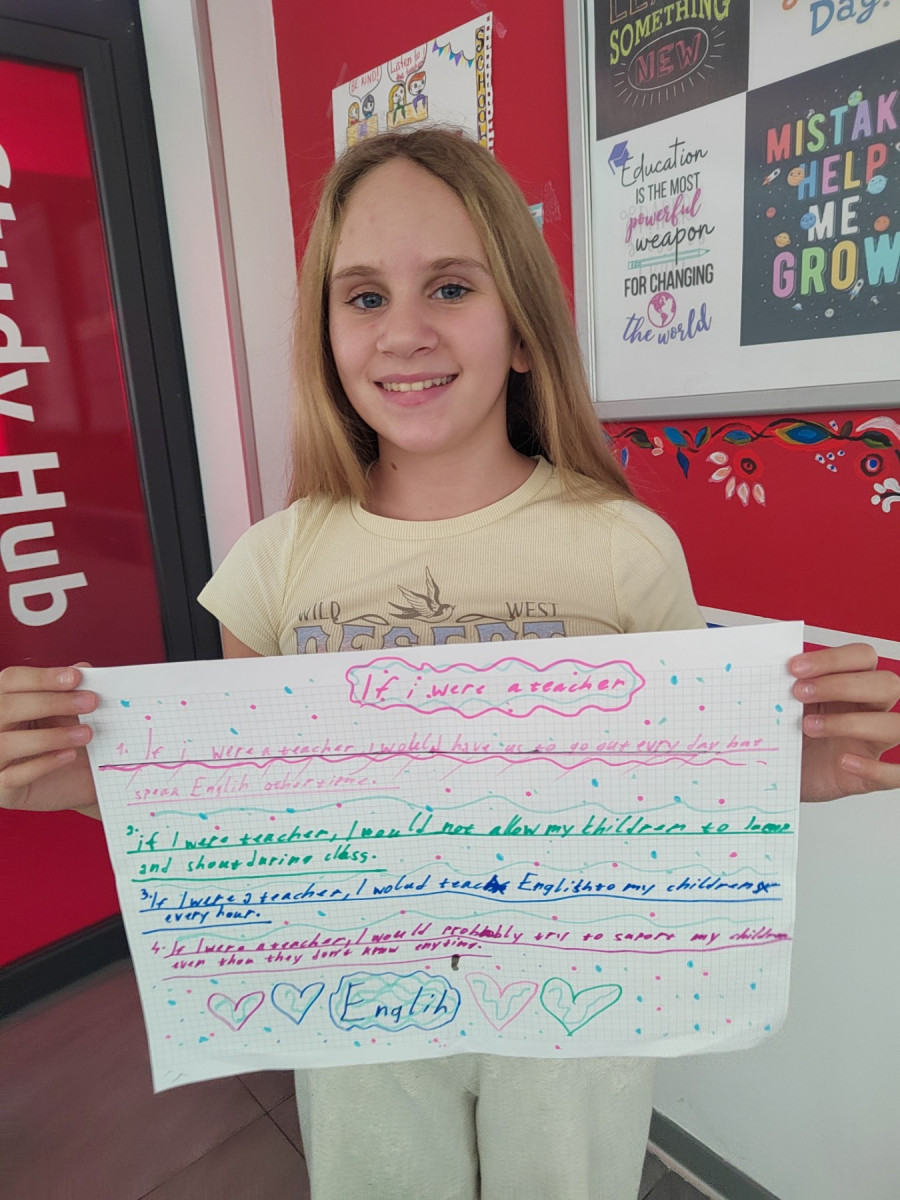
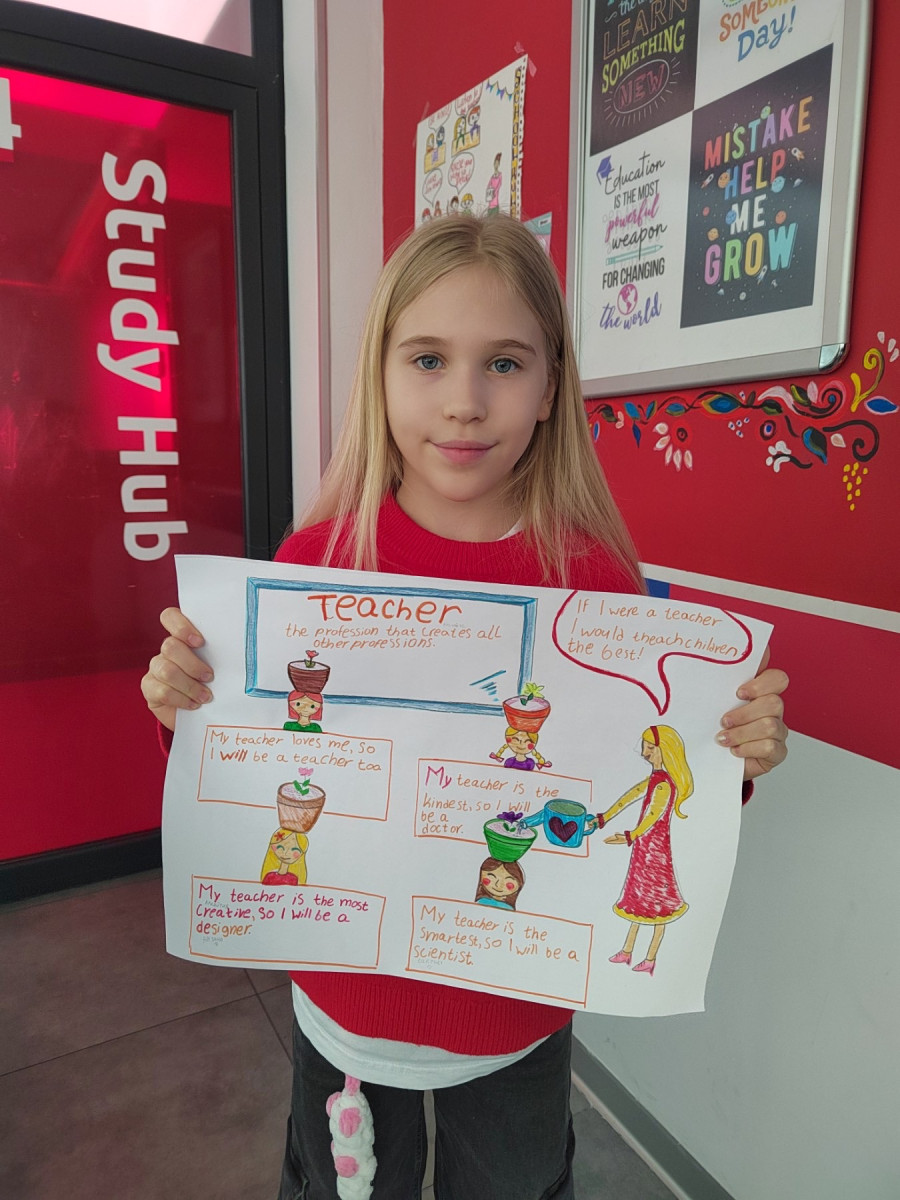
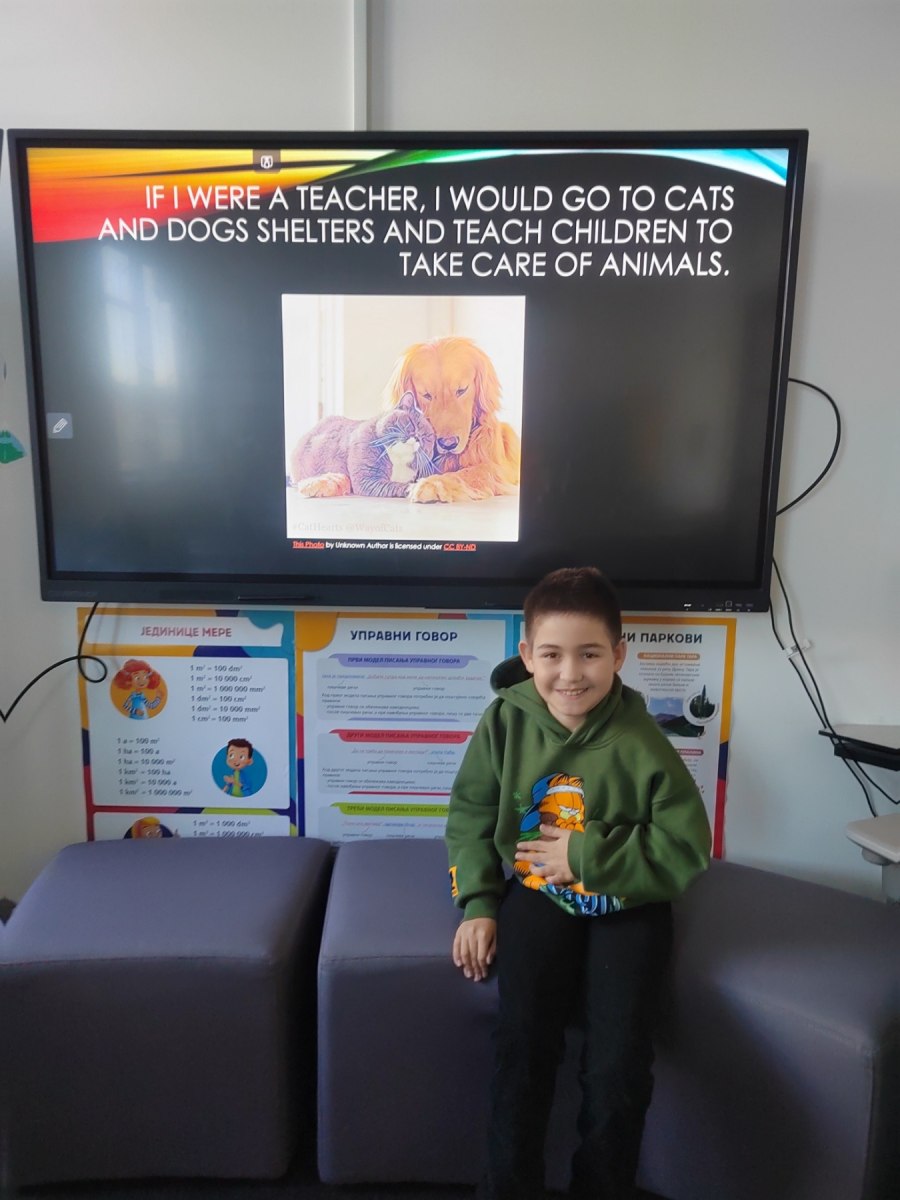
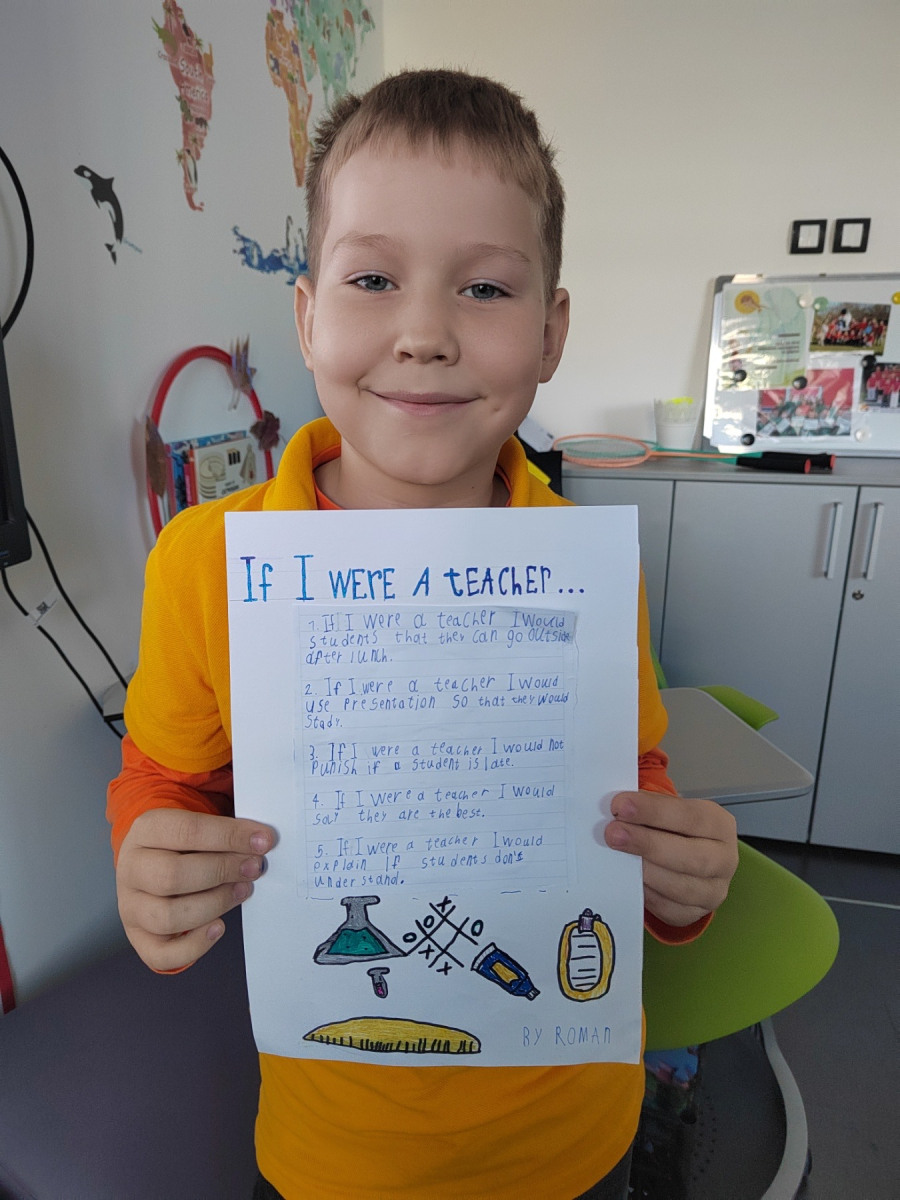
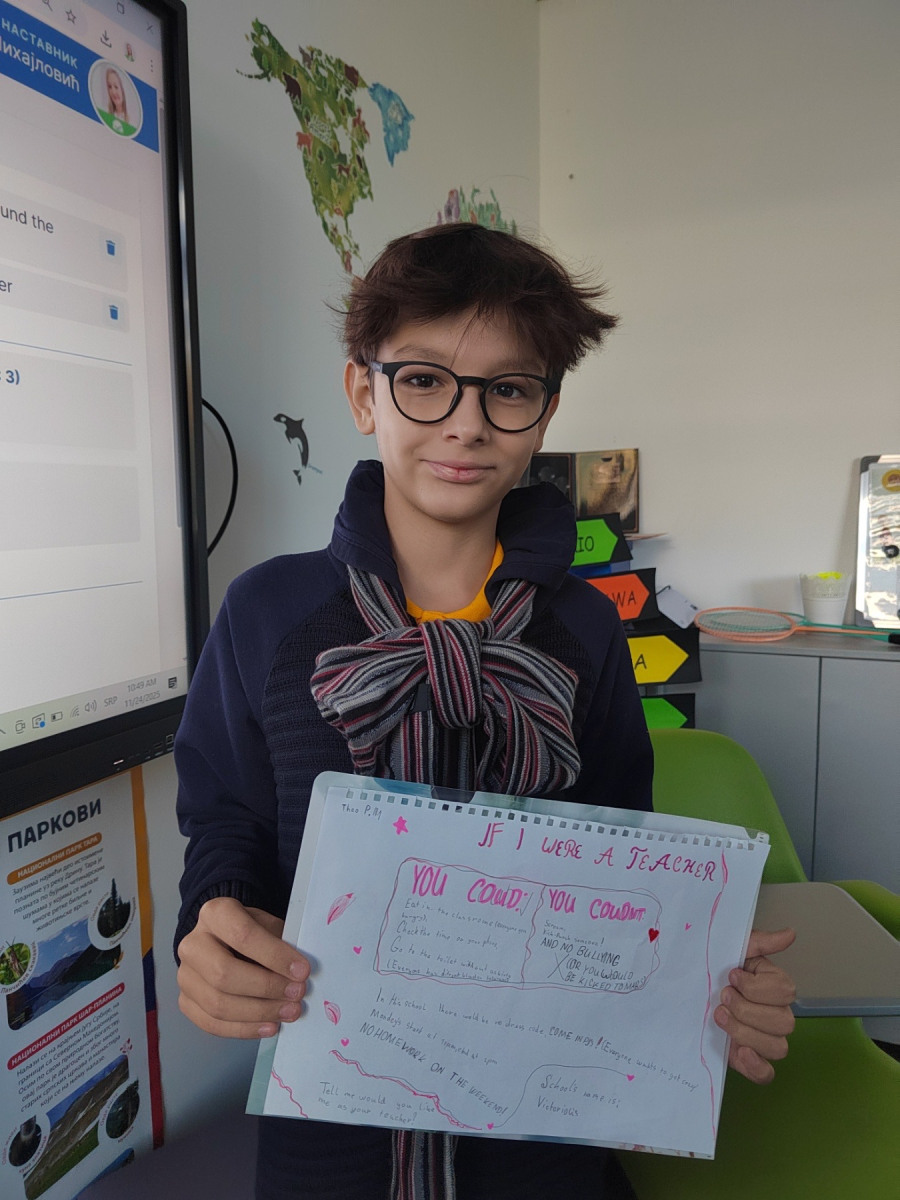
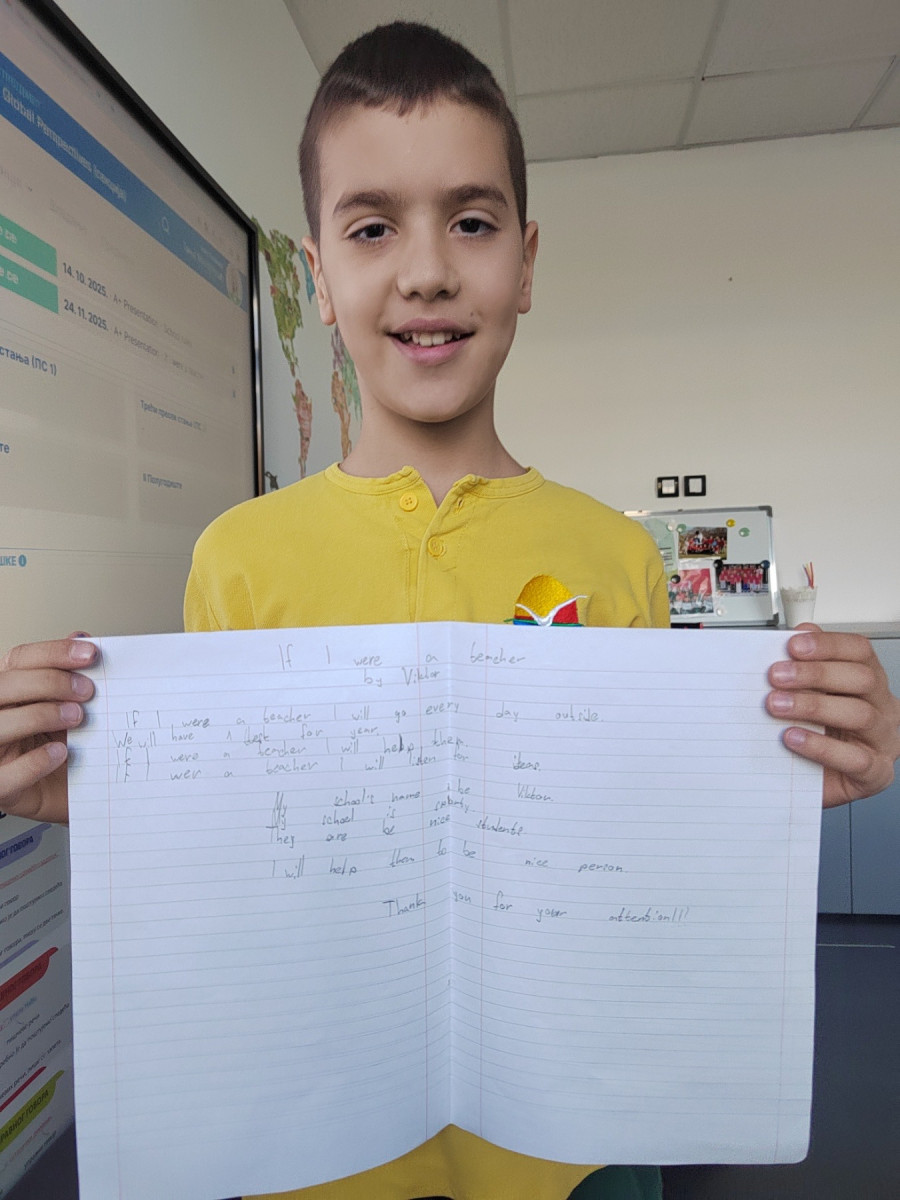
This part of the module brought the most warmth and laughter into the classroom. Students imagined what their lessons would look like, how they would treat their students and what kind of atmosphere they would create. Some imagined taking children to animal shelters to teach them about care and kindness. Others described lessons filled with experiments, creative games, extra explanations and a zero-sadness policy in the classroom.
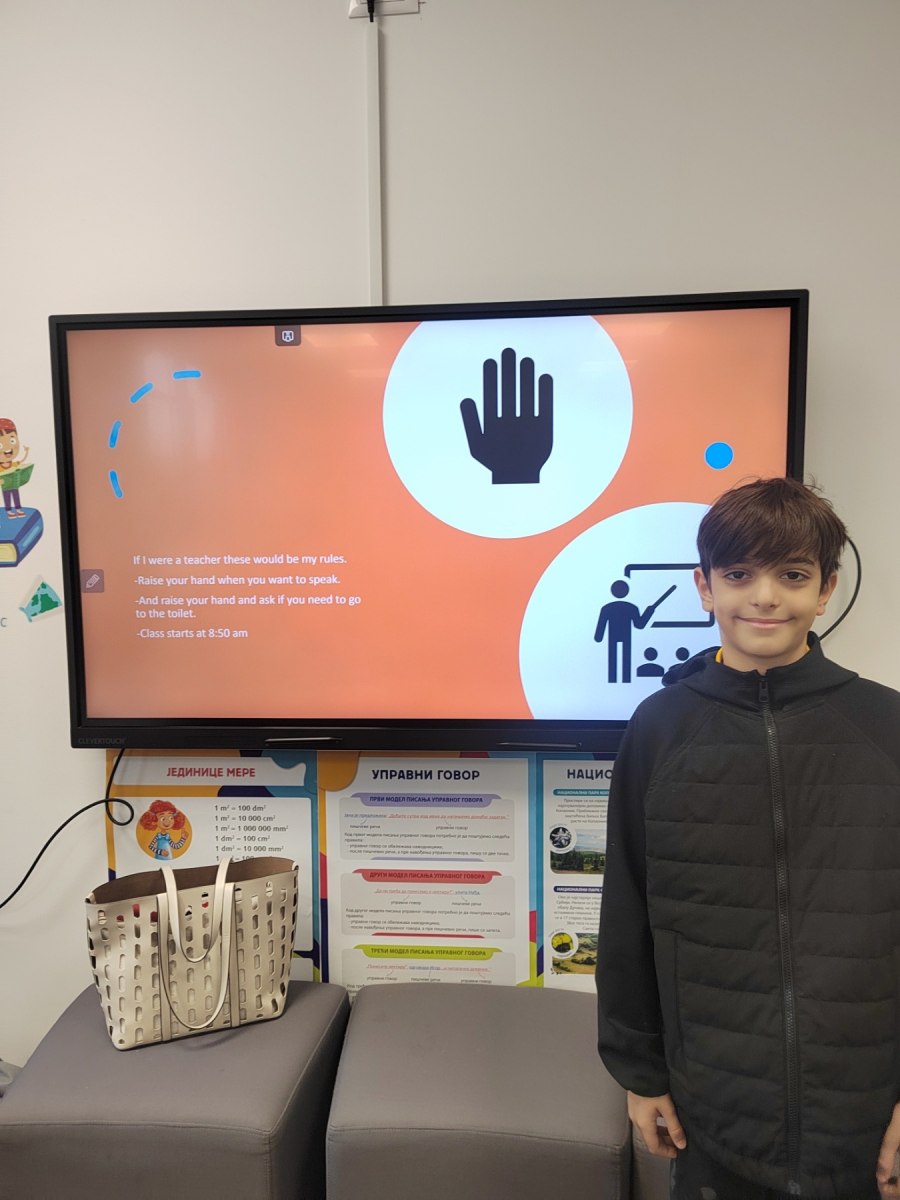
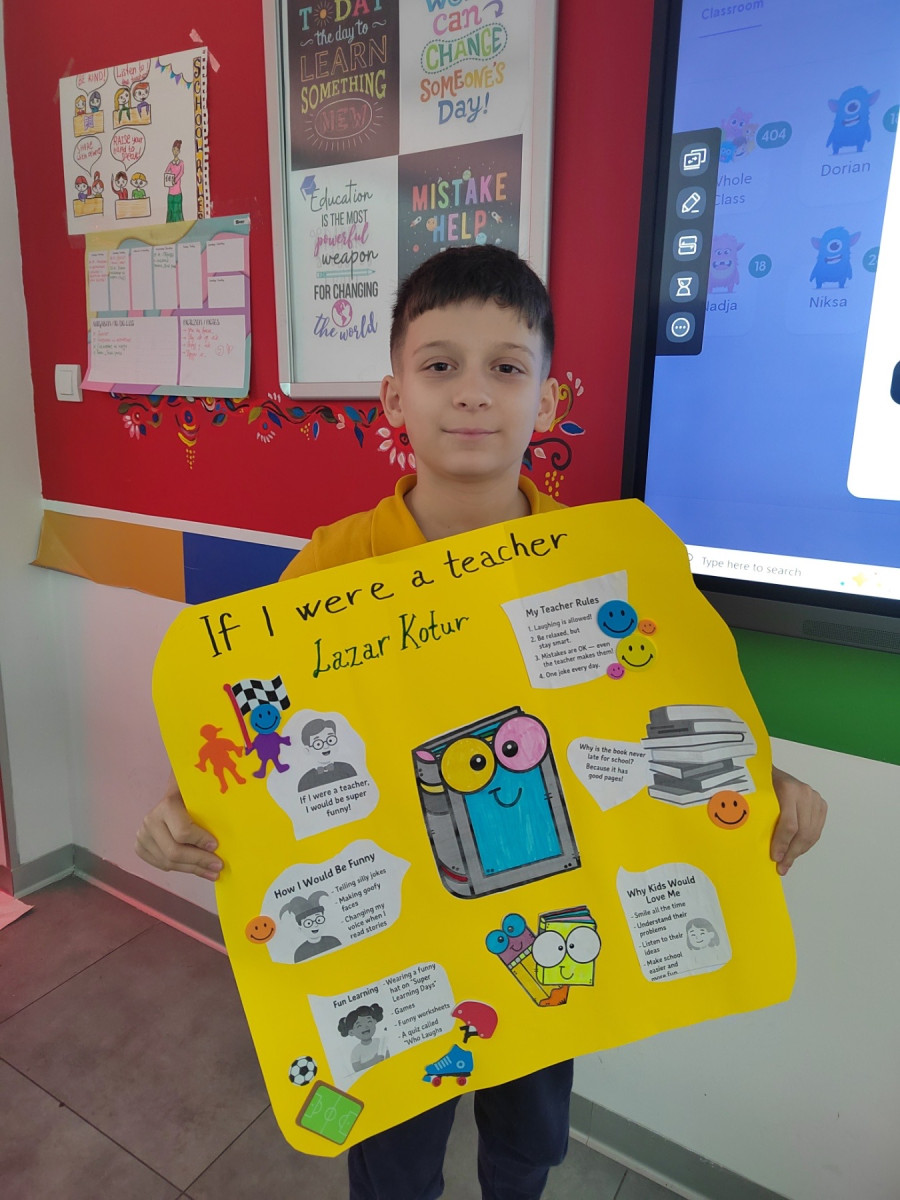
One student created his own “grading rules”, another emphasised the importance of breaks, while a third explained how hard he would work to ensure that every child feels safe and happy.
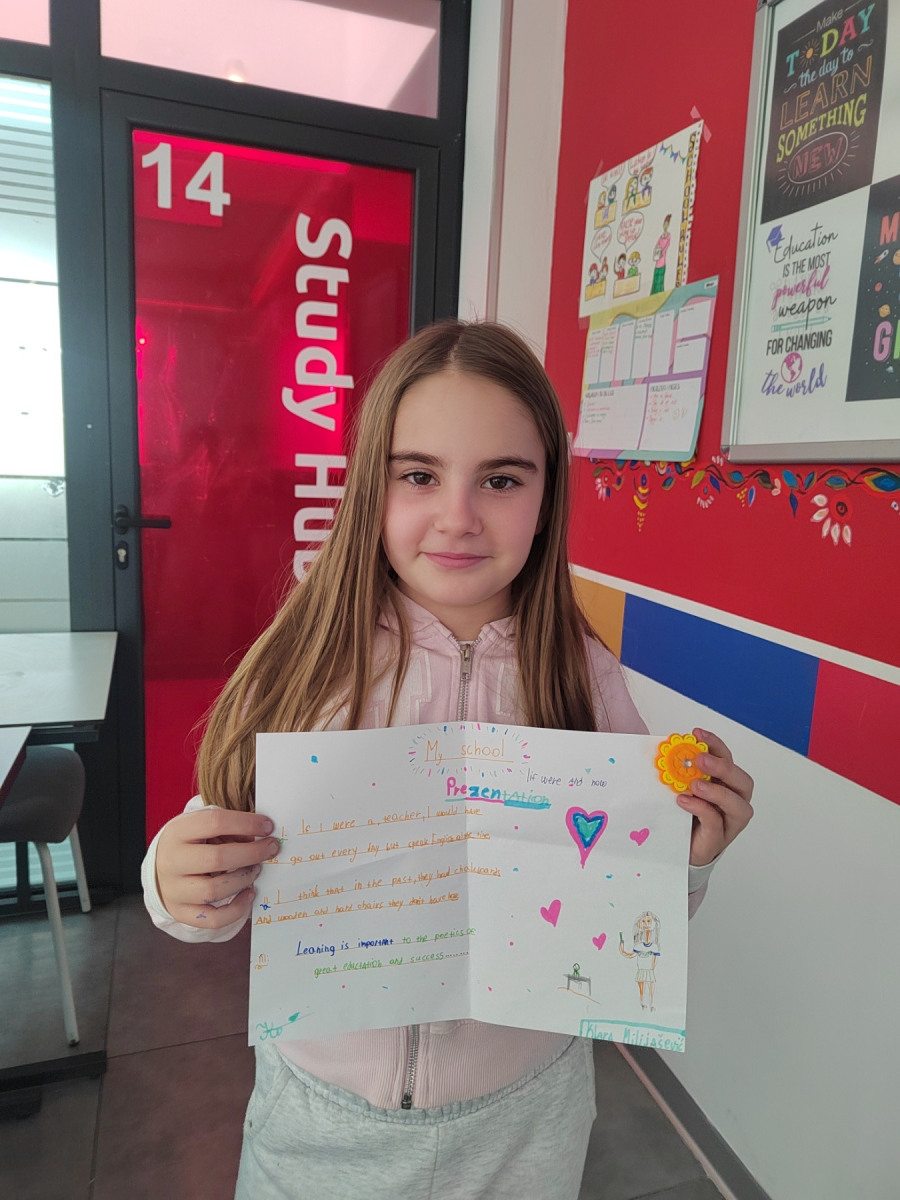
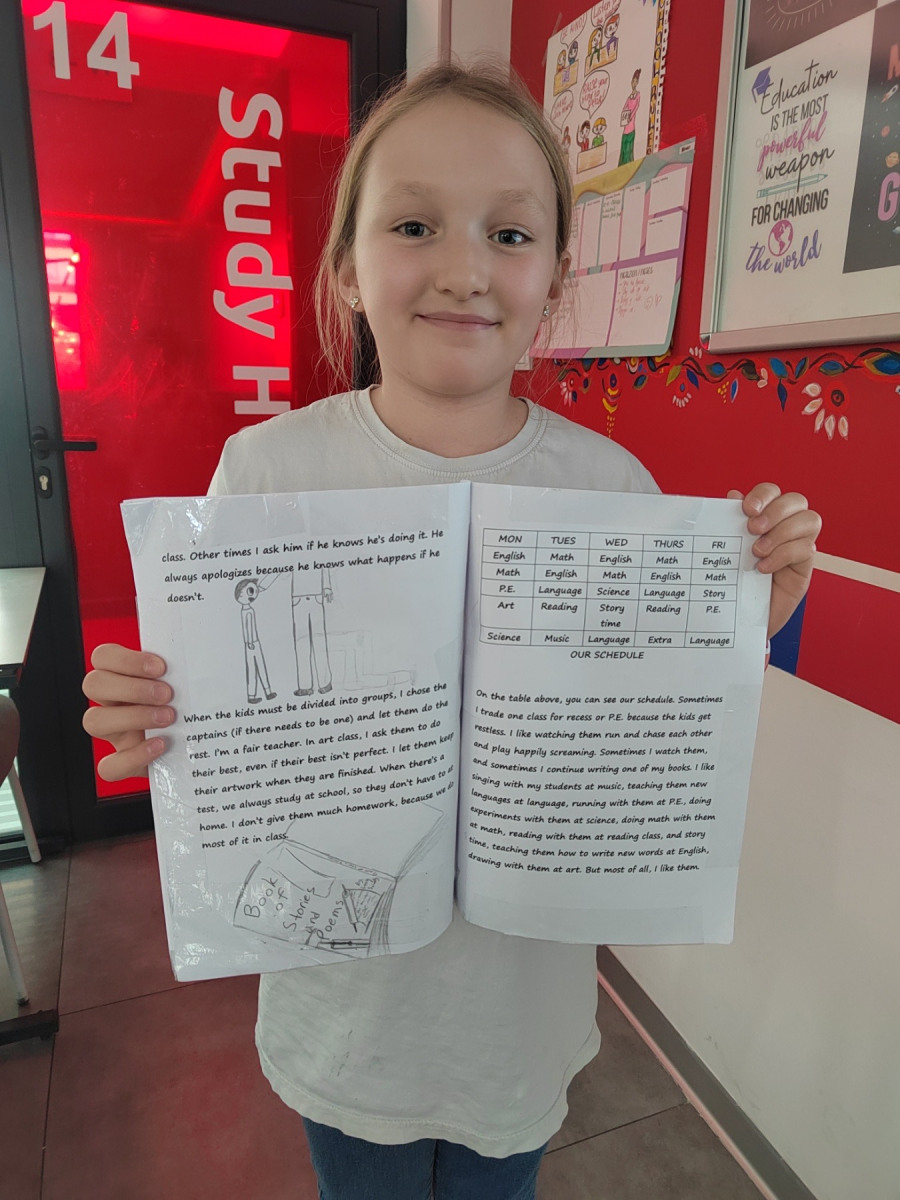
These works clearly show what children value — more freedom, support, understanding and fun, engaging ways of learning. Students proudly presented their posters to the class: some filled with colourful illustrations, others with carefully written texts, and some combining drawings with real “teacher rules”. Each work became a small window into a child’s thinking — honest, warm and completely authentic.
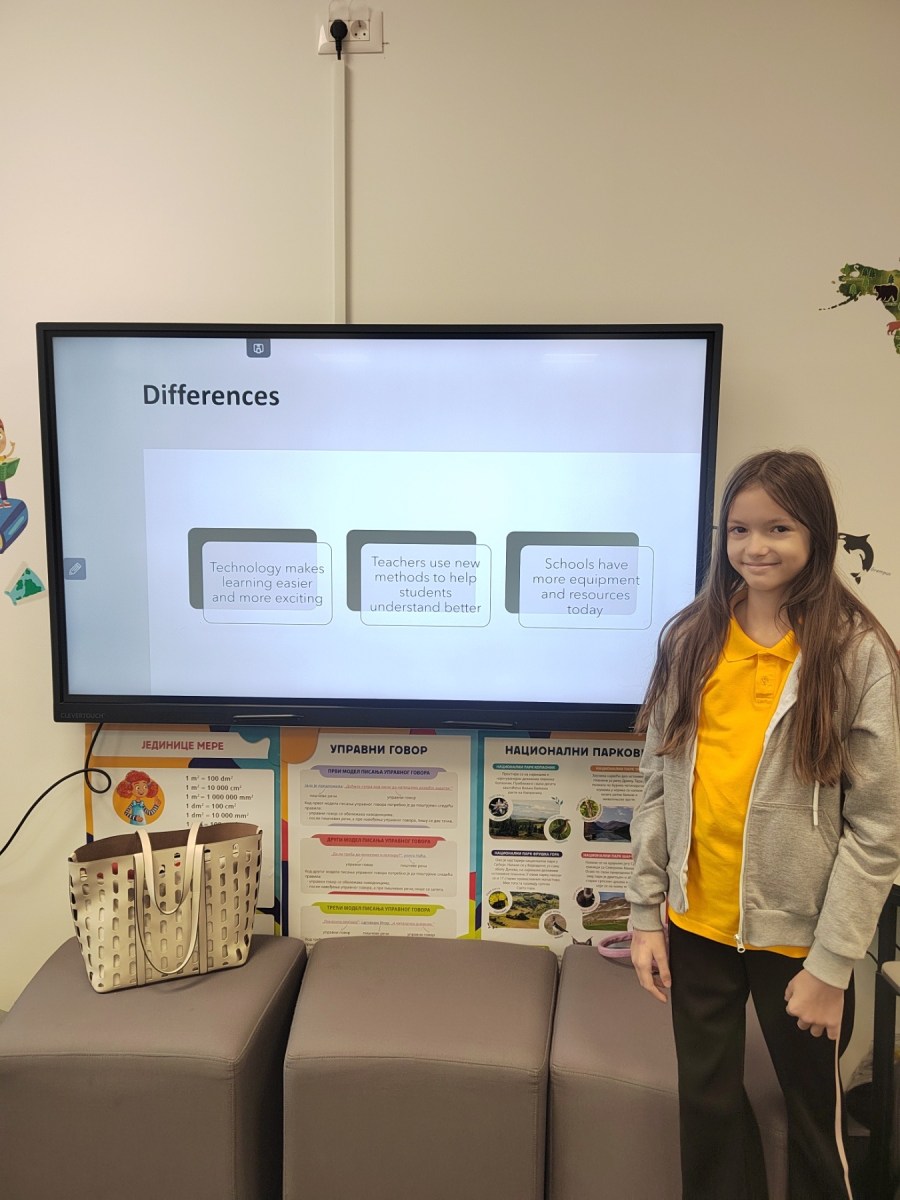
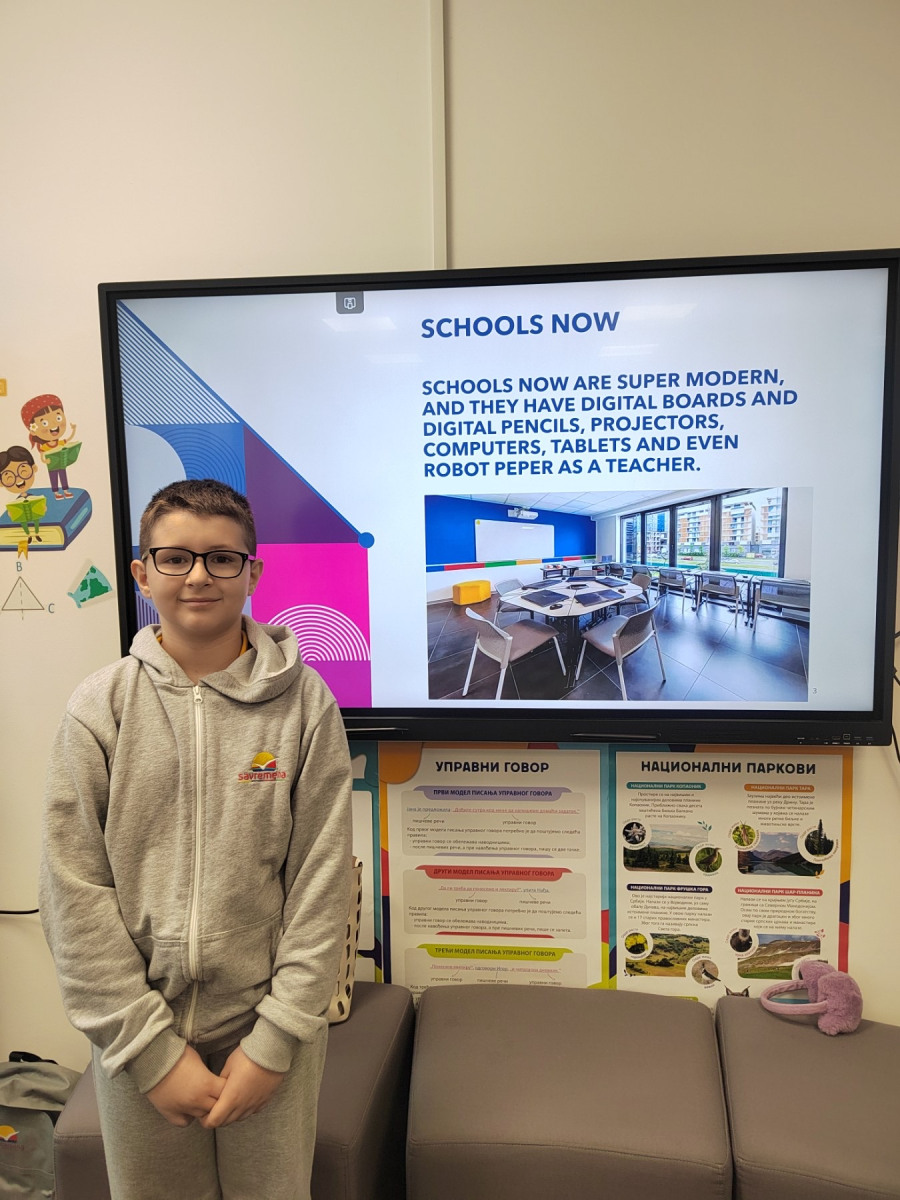
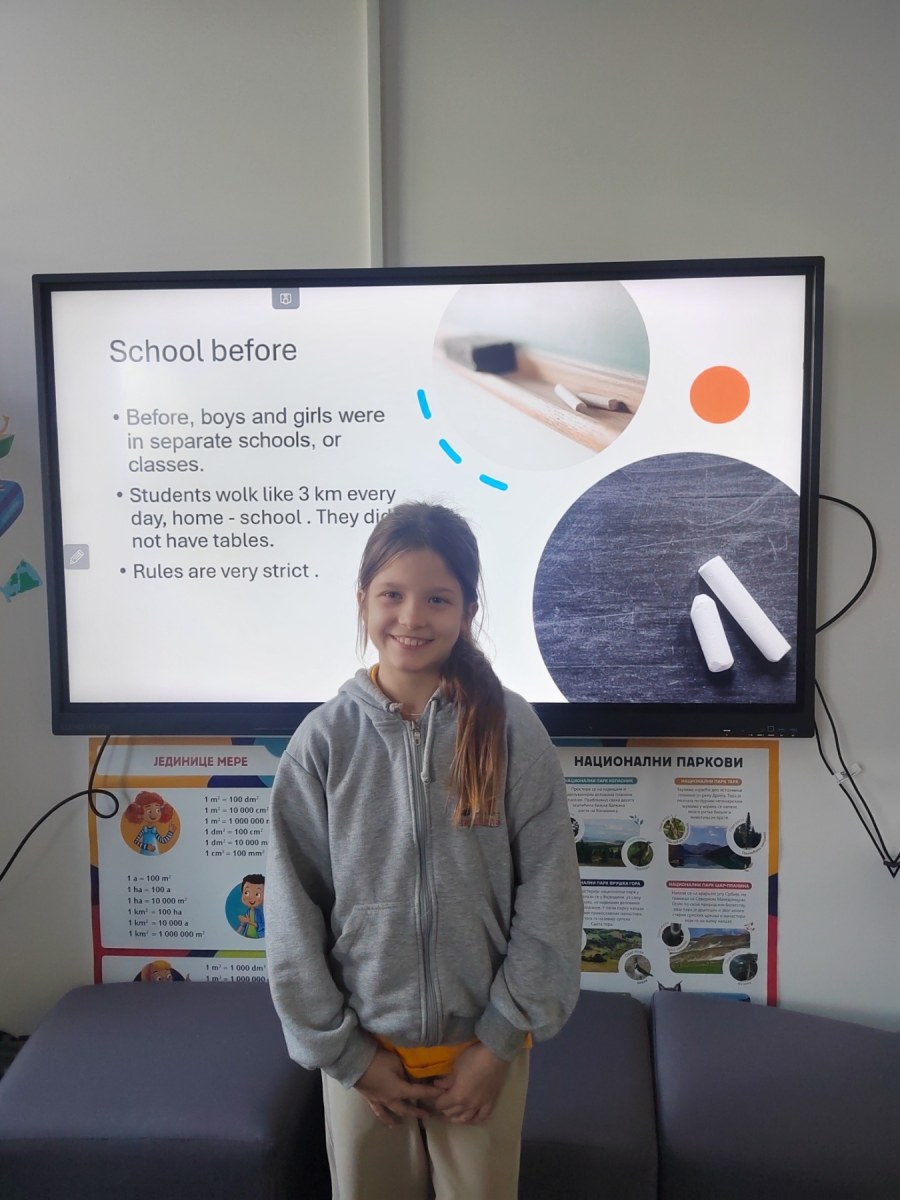
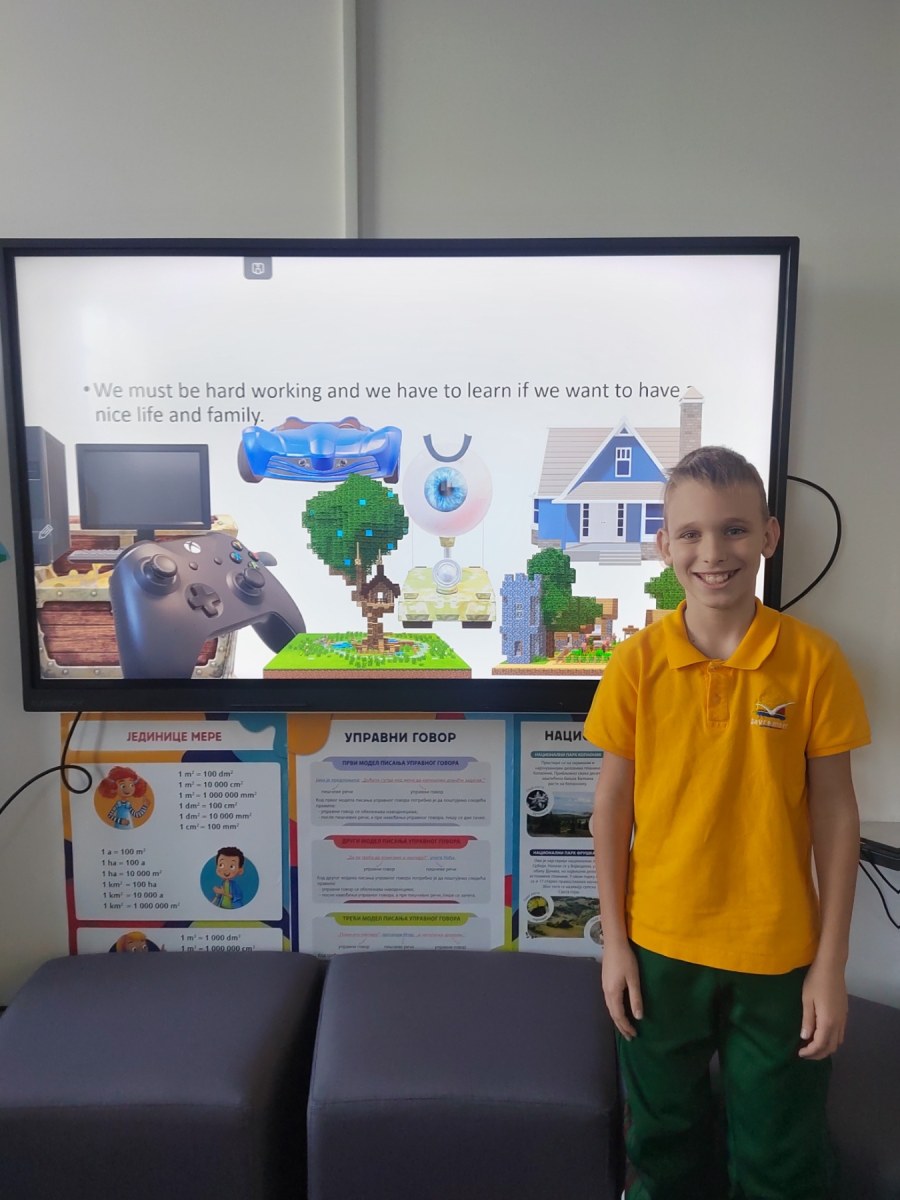
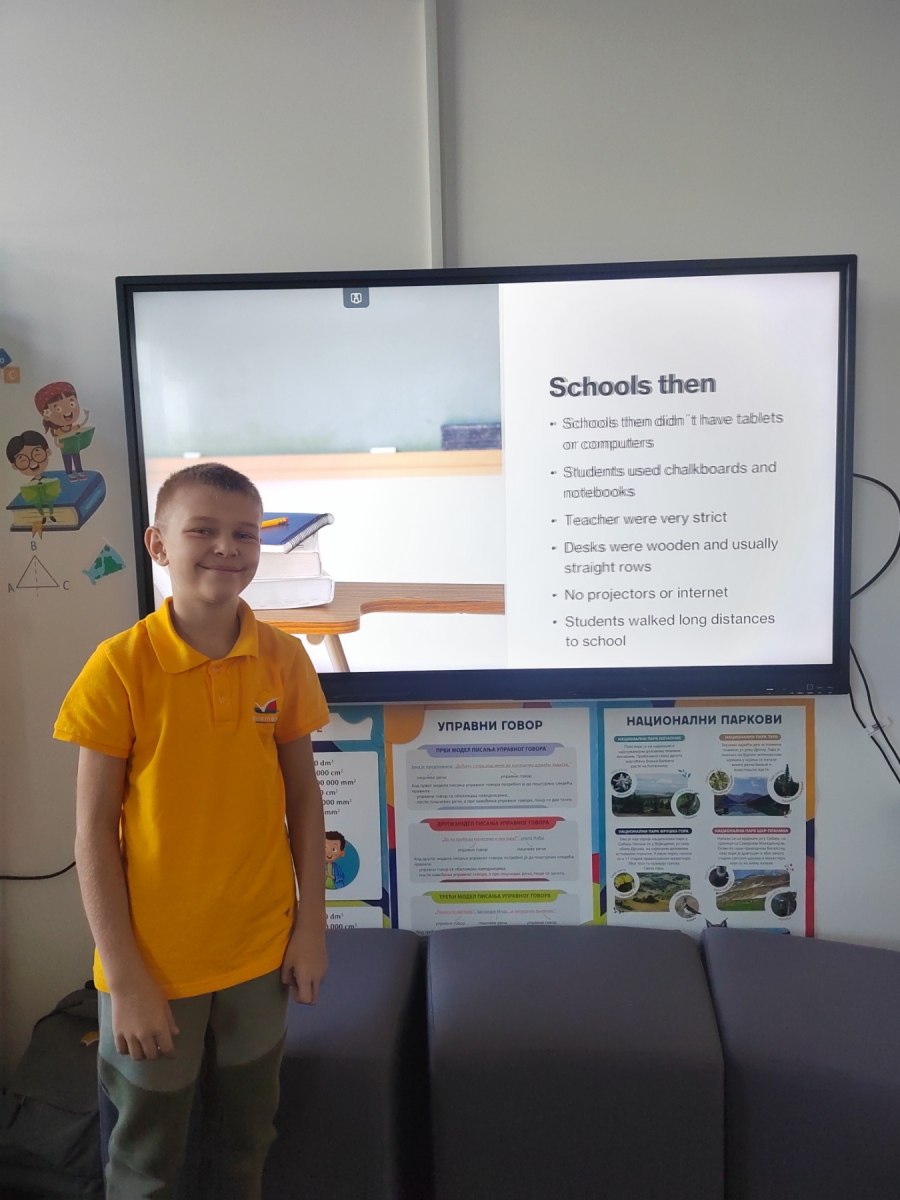
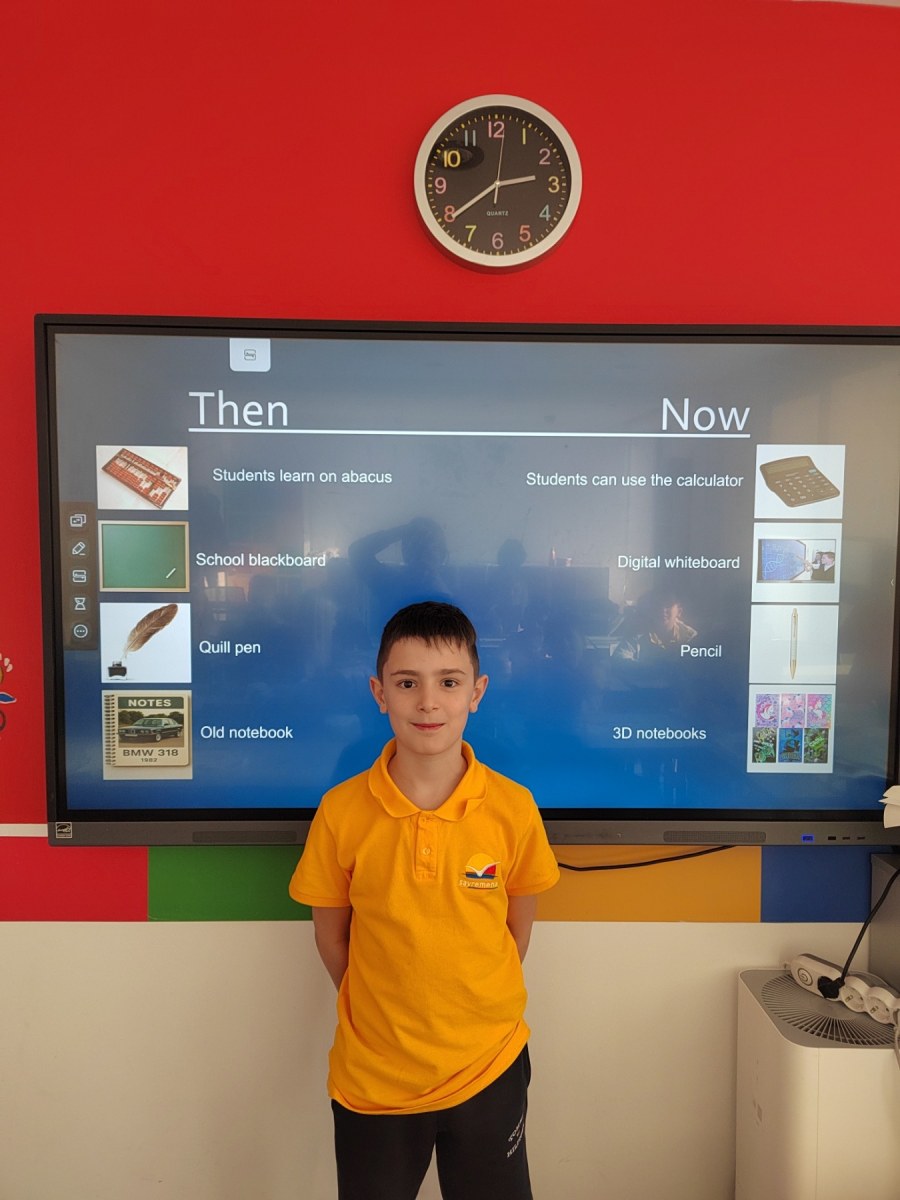
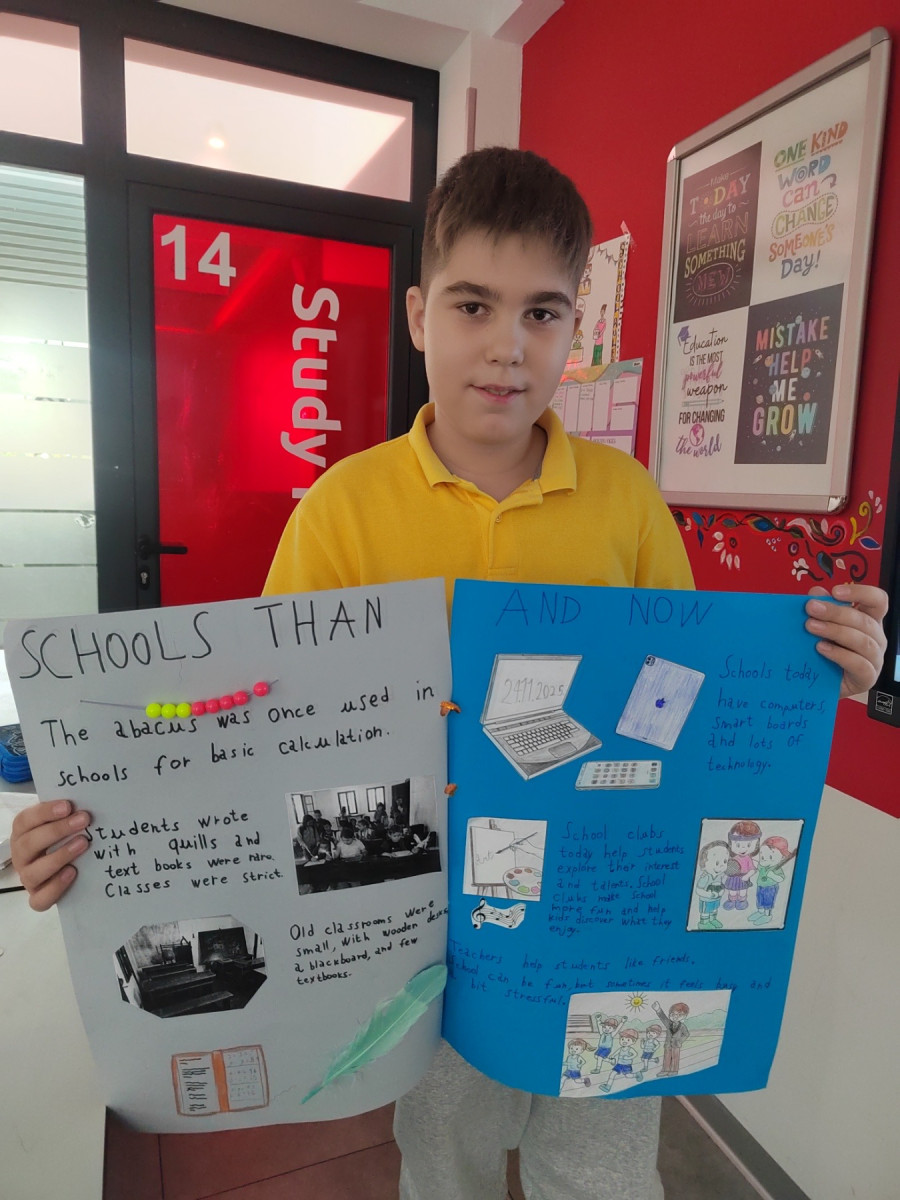
The second part of the project focused on research — what were schools like in the past, and what are they like today? Students compared the two through drawings, short texts and presentations. They noticed how today’s schools are more inclusive, creative and modern, and how technology transforms the way we learn. Some spoke fondly about old classrooms with chalk and wooden desks, while others expressed how grateful they are to learn through experiments, tablets and games.
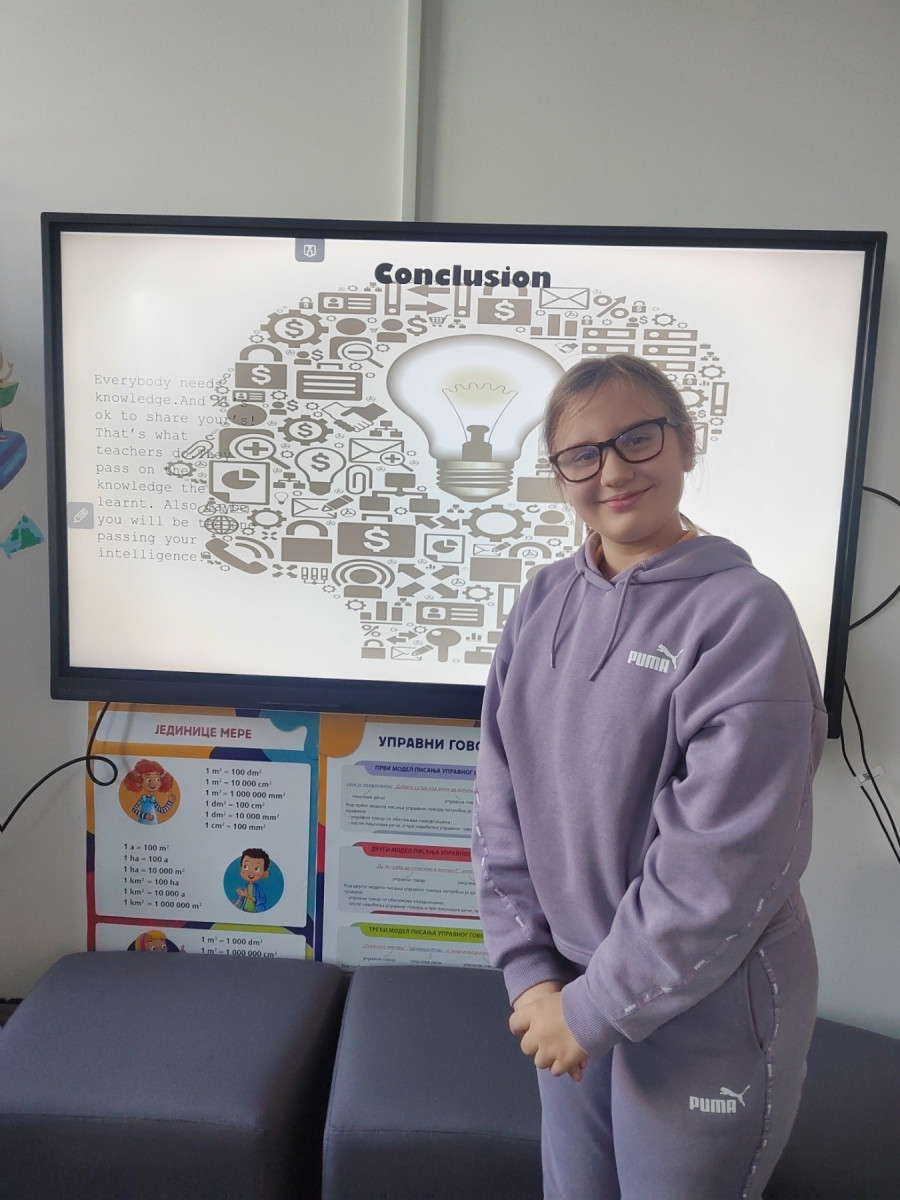
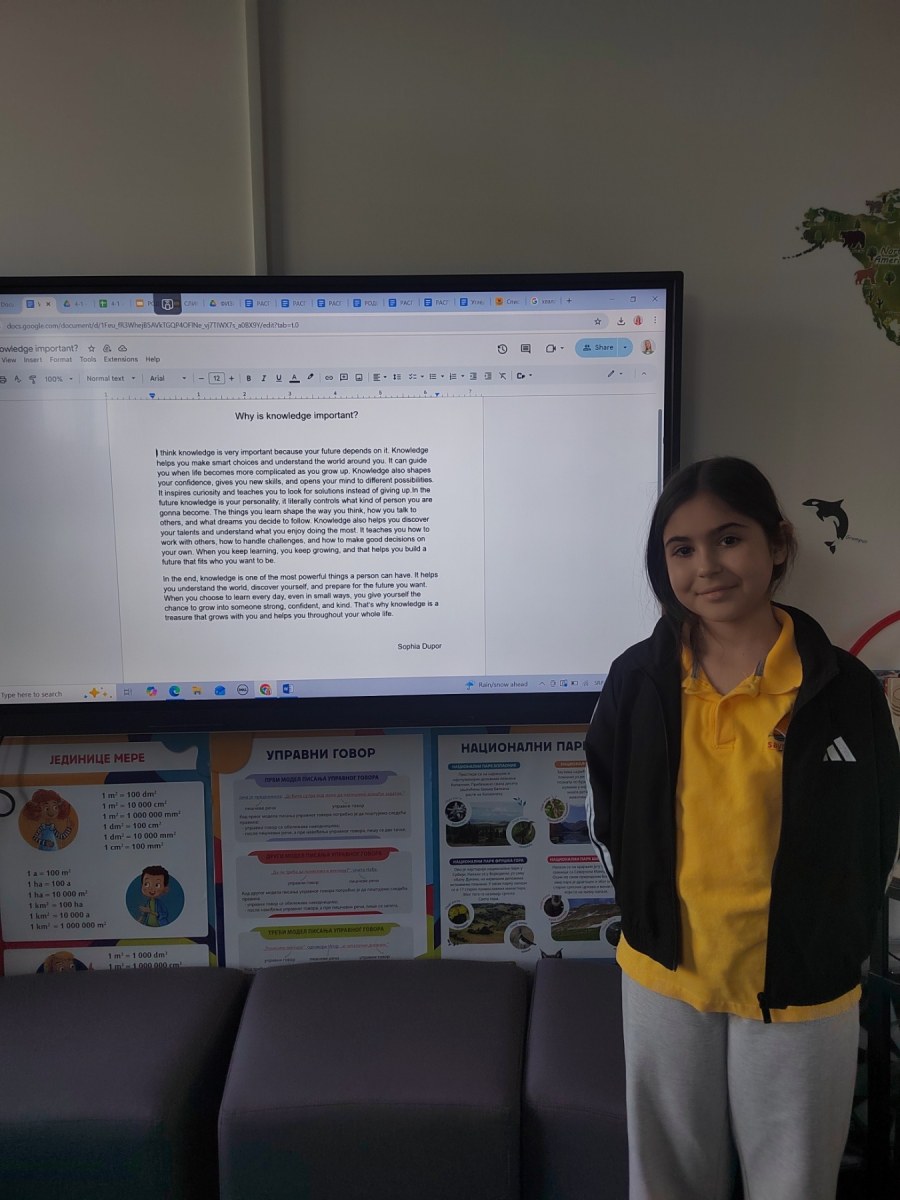
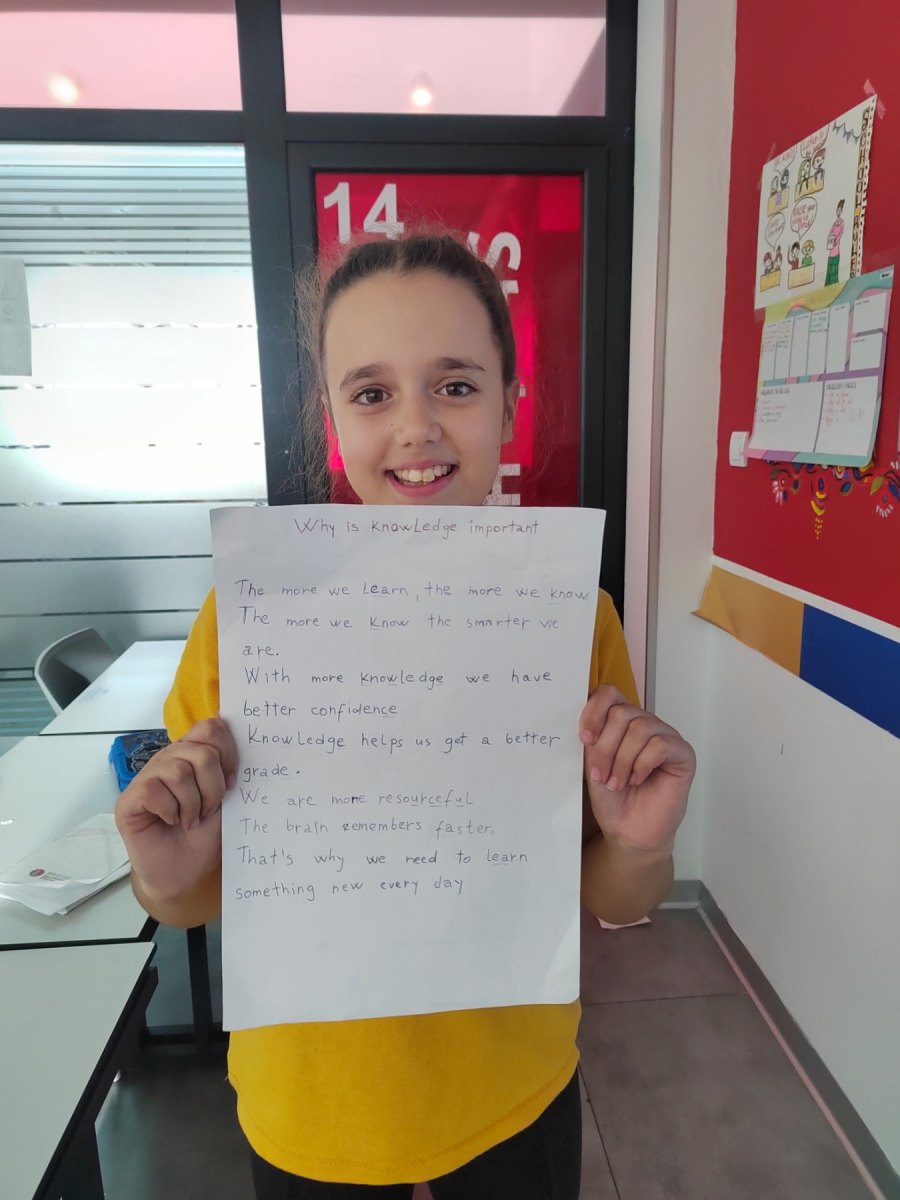
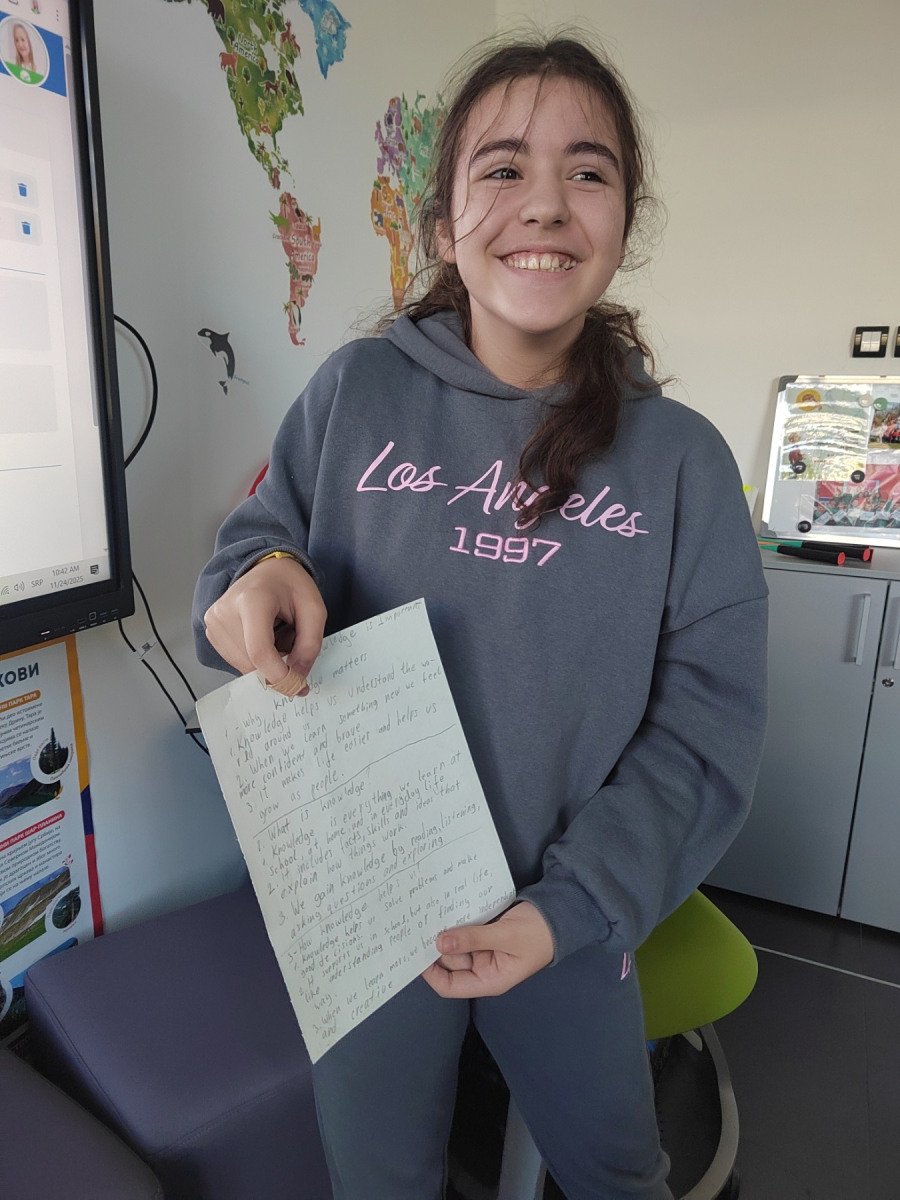
Through the topic “Why is knowledge important?”, students reflected on why we learn and how knowledge shapes our lives. Their answers were touching and wise: knowledge helps us understand the world, become better people, solve problems, grow and help others. The discussion was lively and inspiring — students built on each other’s ideas, gave examples from everyday life and explained how knowledge makes them feel braver and more confident.
This kind of lesson allowed them to develop empathy, independent thinking and a broader understanding of education — and to recognise how precious their right to learn truly is.