

Global Perspectives: Cambridge Projects by Students on the Future of the Planet
Violeta Nincetovic / / Blog / March 20, 2026
Global Perspectives: Cambridge Projects by Students on the Future of the Planet
From Idea to Action
Global Perspectives is not just a project – it’s a way of thinking. Fifth graders at Savremena Primary School spent several months researching global problems, building teams, developing solutions, and finally – presenting results to parents, teachers, and peers. The project is part of the Cambridge program and Checkpoint exam, which means that each team worked under international standards, that their work was evaluated by Cambridge International Education, and that each student will receive a certificate of achievement – both in paper and electronic form.
But what Global Perspectives builds is not on paper. These are skills that students will need throughout their lives – teamwork, critical thinking, research, planning, communication, presentation, but also something that may be most important: understanding that small people can make big changes.
Teams, Topics, Solutions
Each team addressed one of the crucial questions at the global level – from ecology, digital security, social justice, to tradition and community. And each team didn’t just research the problem – they found a way to solve it. Concretely. In practice.
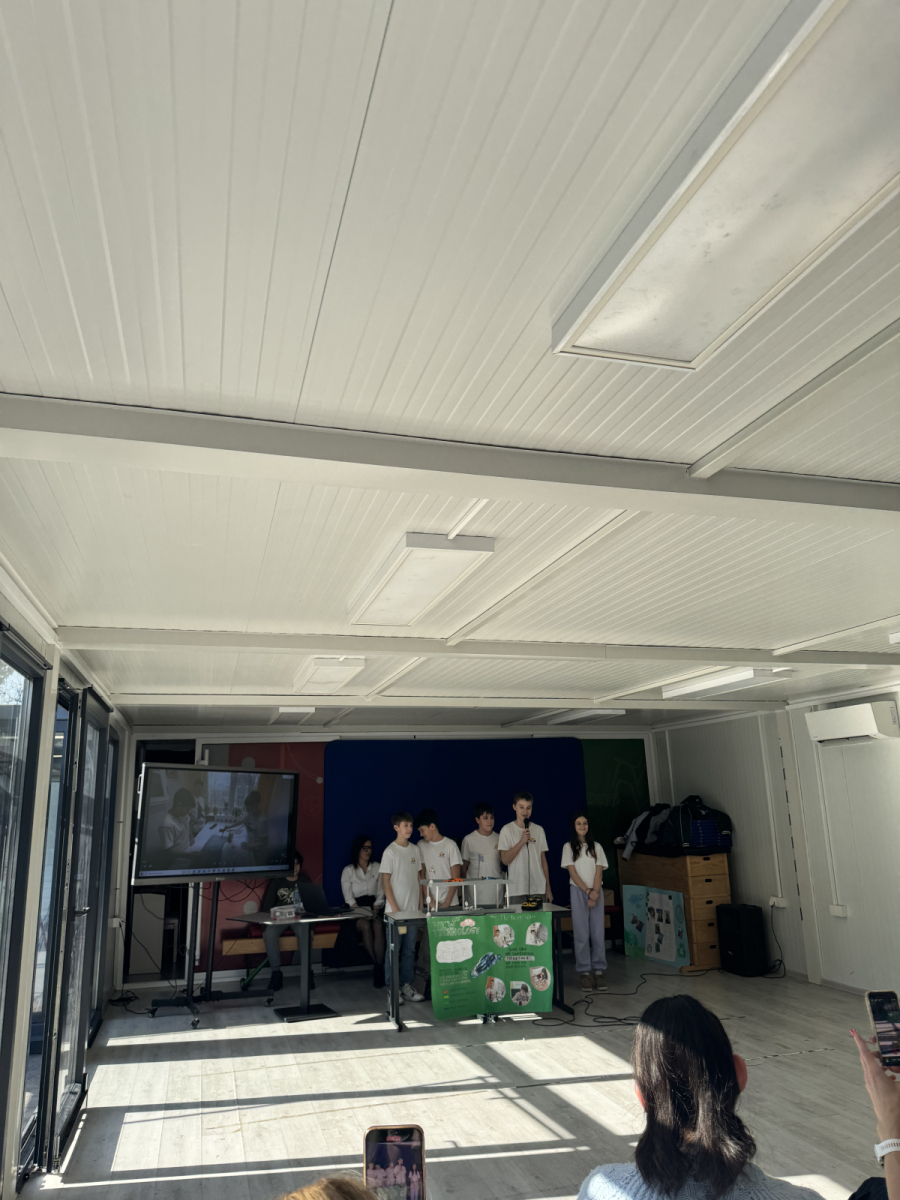
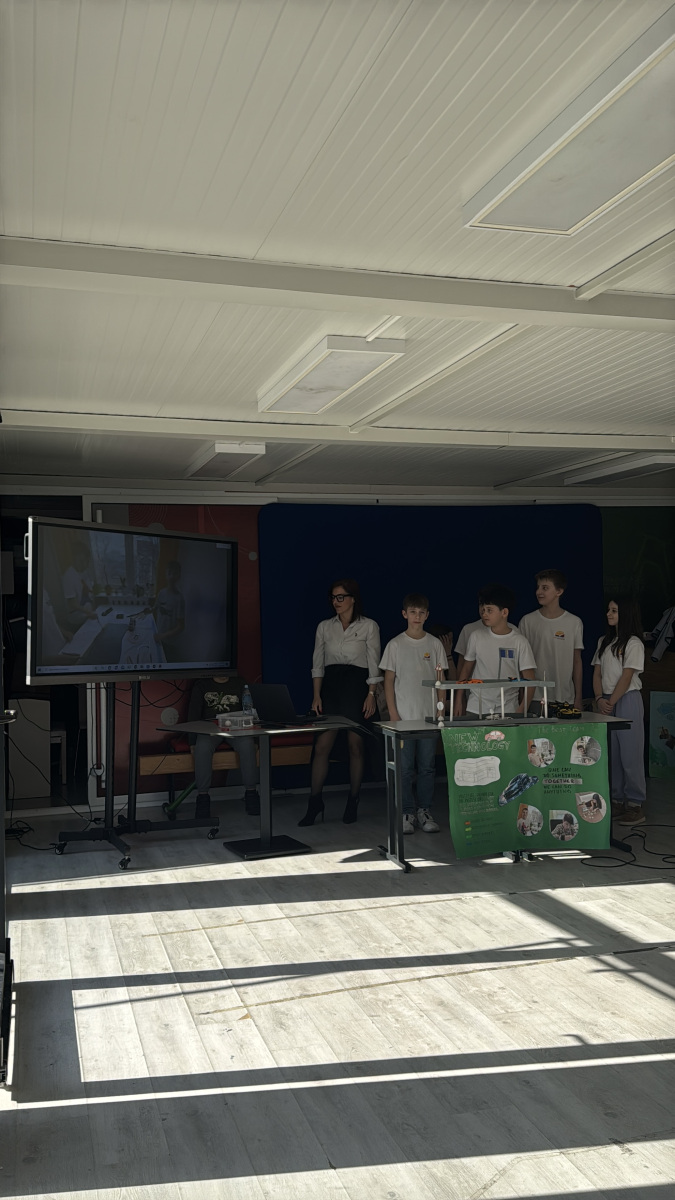
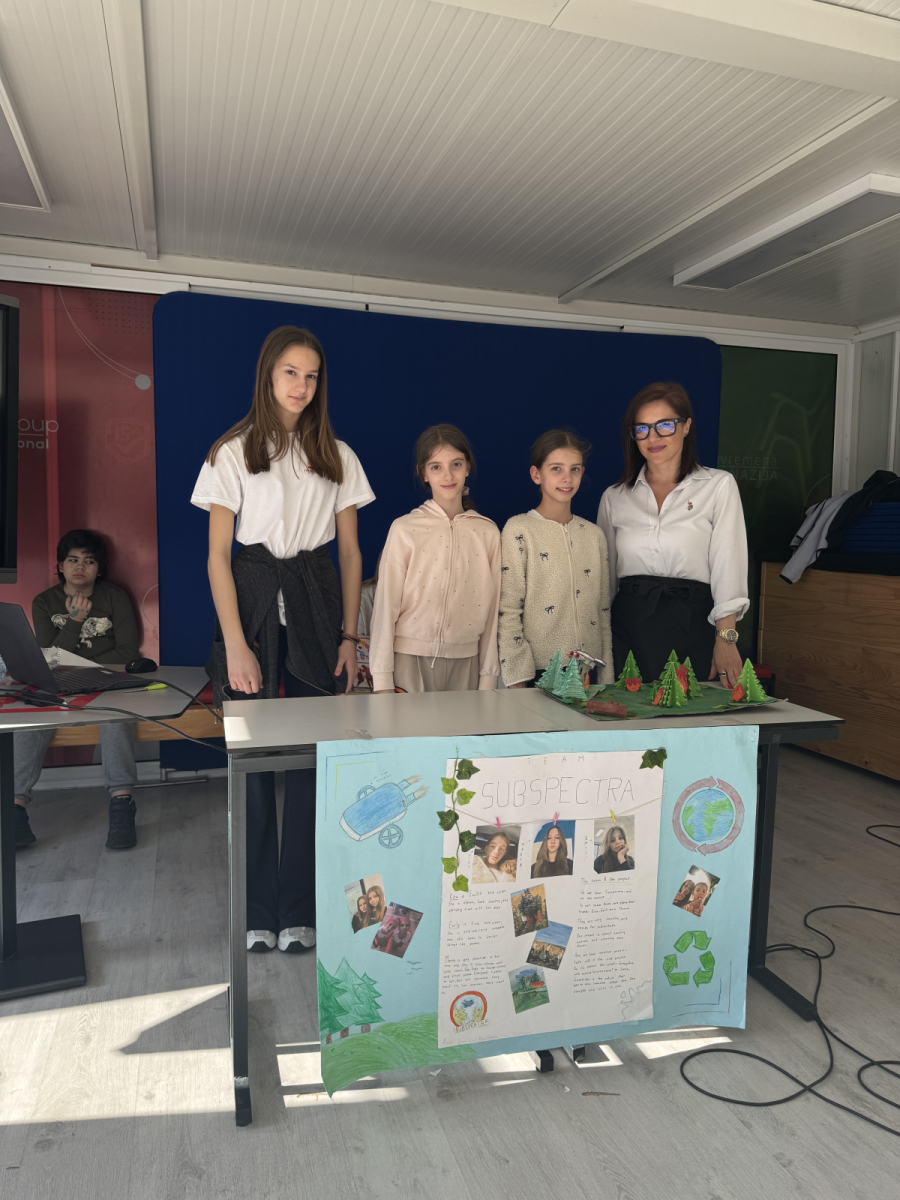
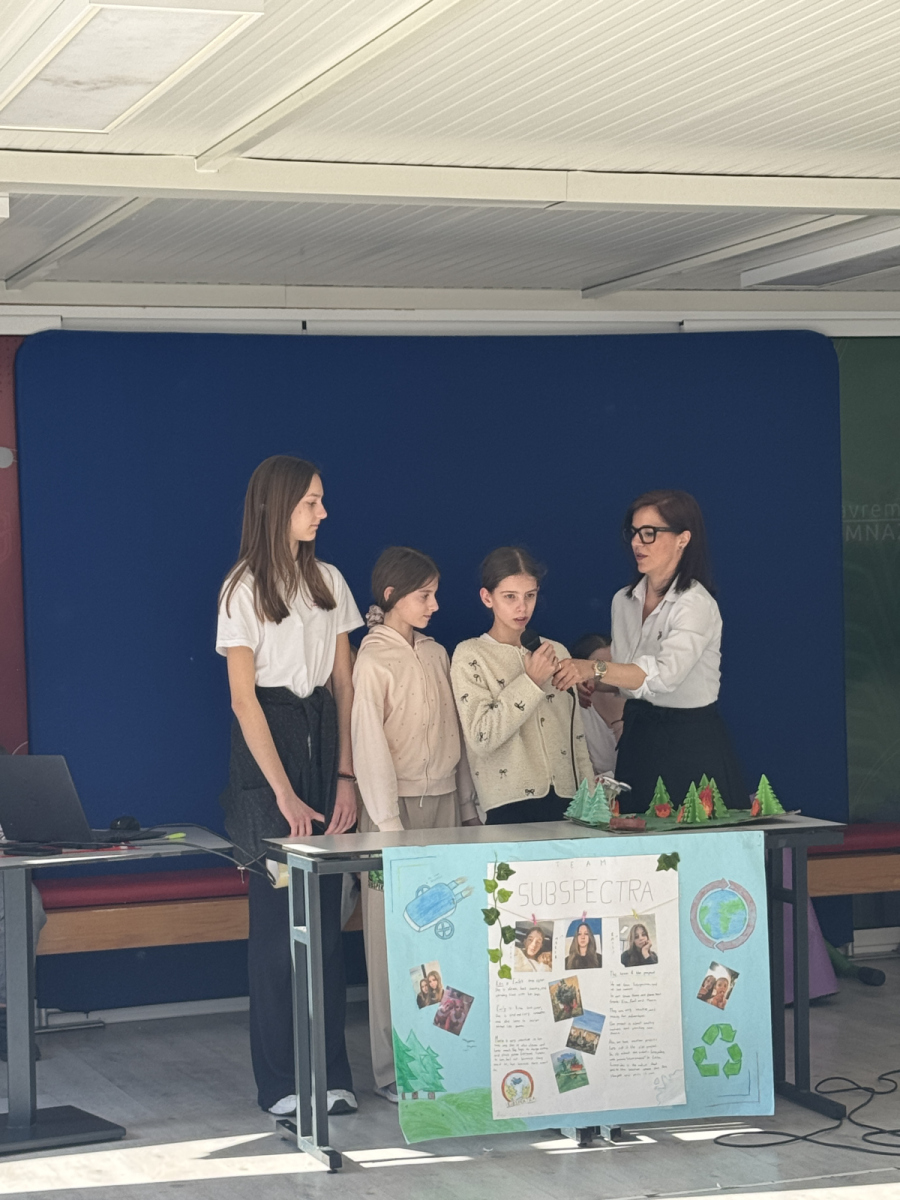
Team SubSpectra (Marija Simić, Emily Franciskovic, Kira Franciskovic) designed a robot that detects forest fires and extinguishes them before they spread. They made a robot model with four water tanks, simulated a fire, and showed how technology can save nature. In addition, they participated in tree planting – because saving what already exists is not enough, you also need to plant new.
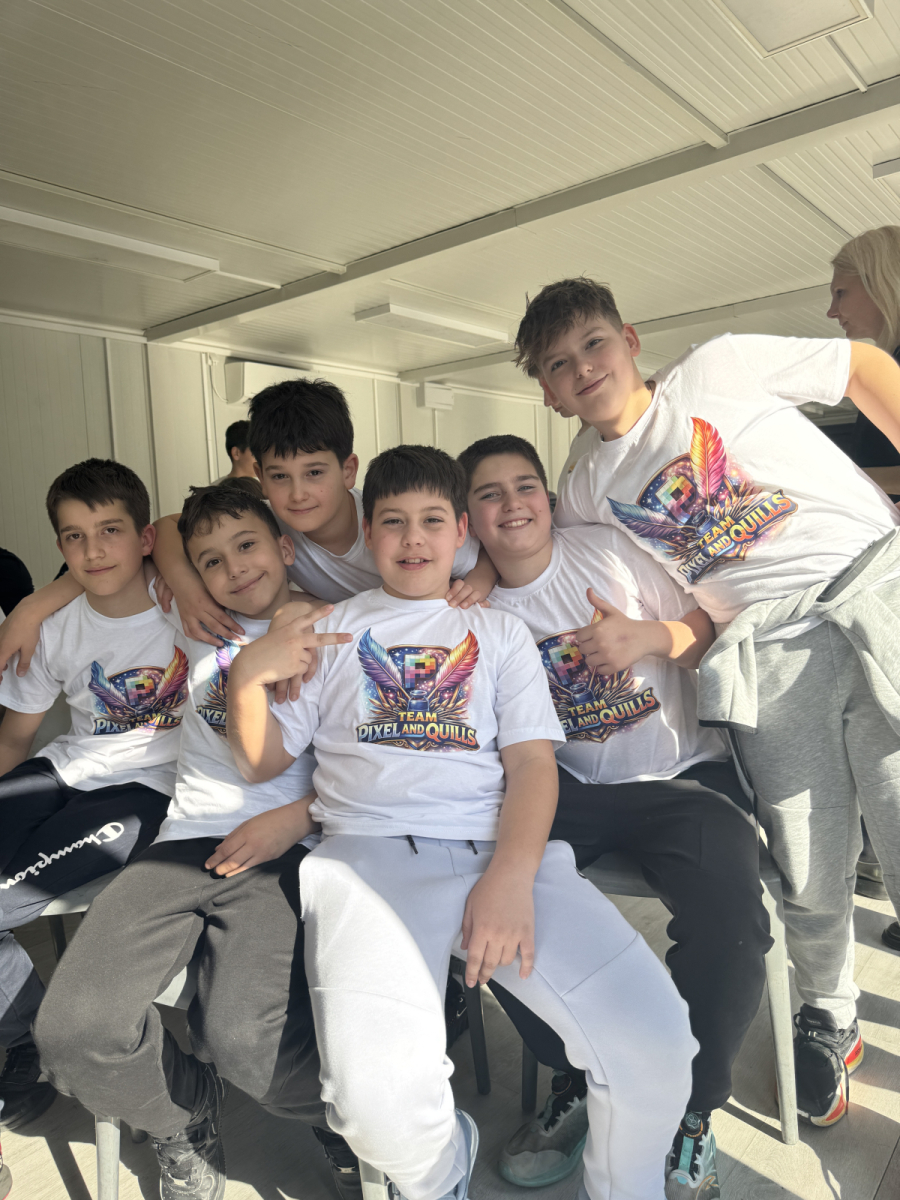
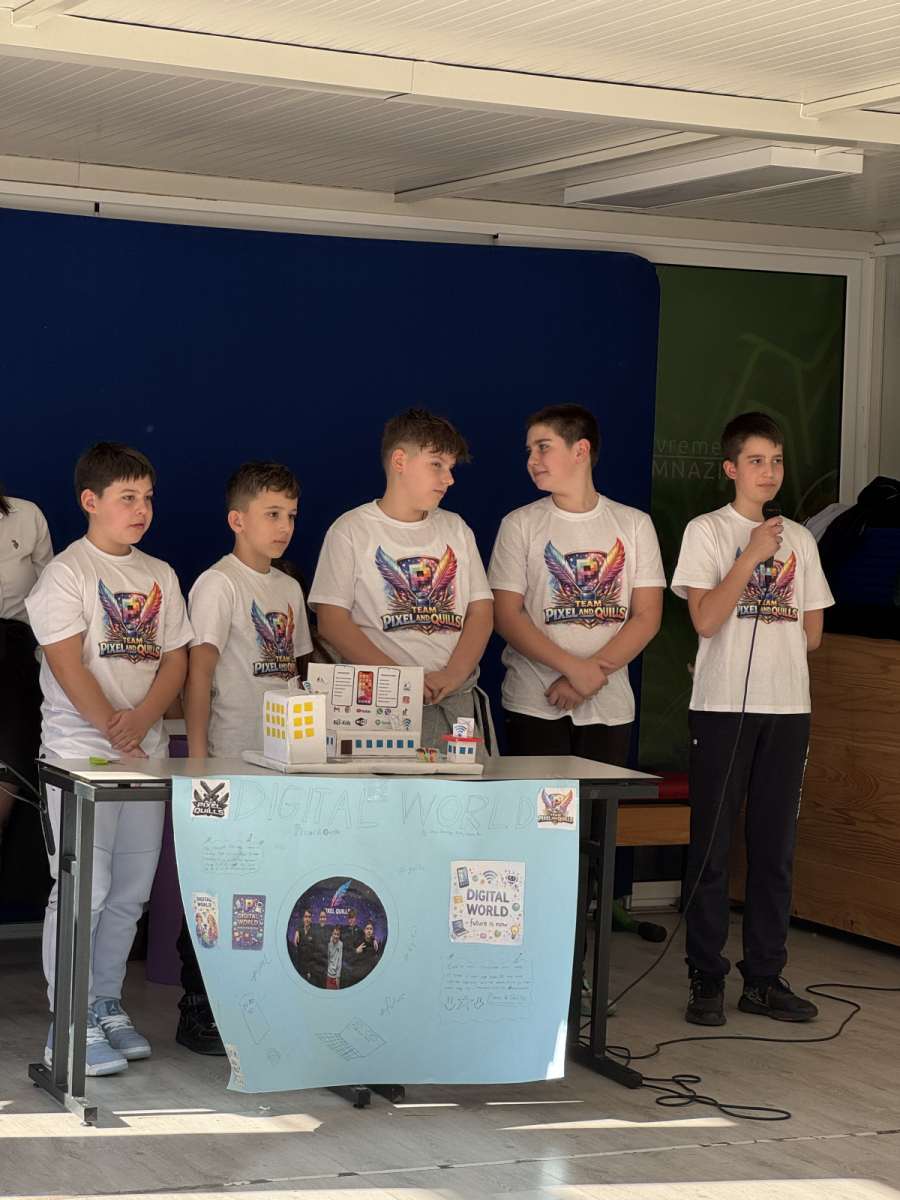
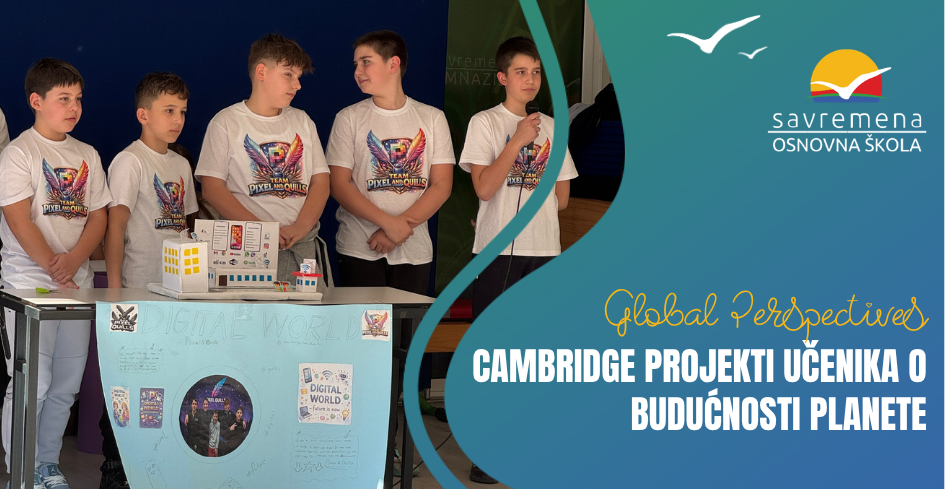
Team Pixel and Quills dealt with security in the digital world – how children protect themselves from dangers on the internet, how to recognize misinformation, how to behave responsibly online. They made an educational video and presentation that explains why digital literacy is as important as any other.
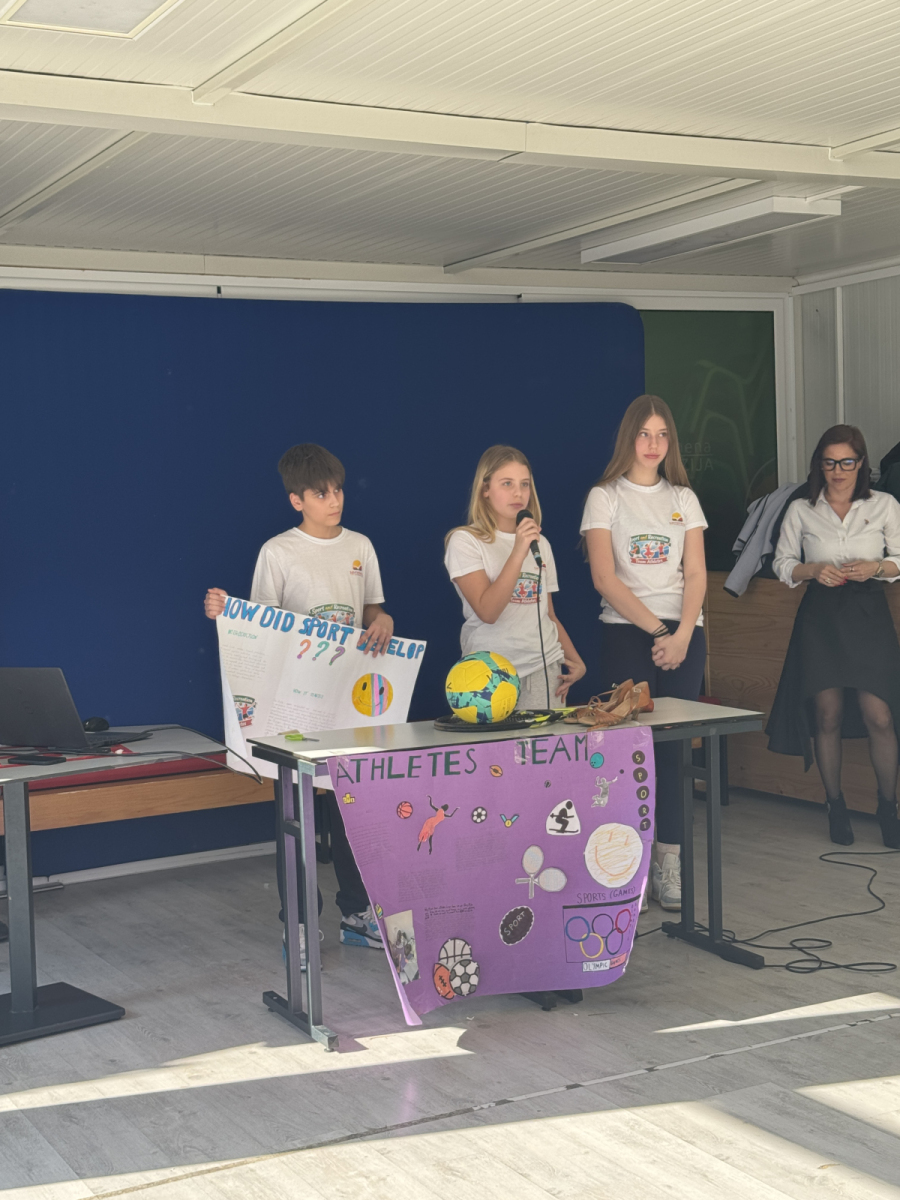
Team Athletes explored the importance of sport for health, how physical activity affects mental health, and why it’s important for children to be active. They created a presentation showing how sport builds discipline, self-confidence, and team spirit.
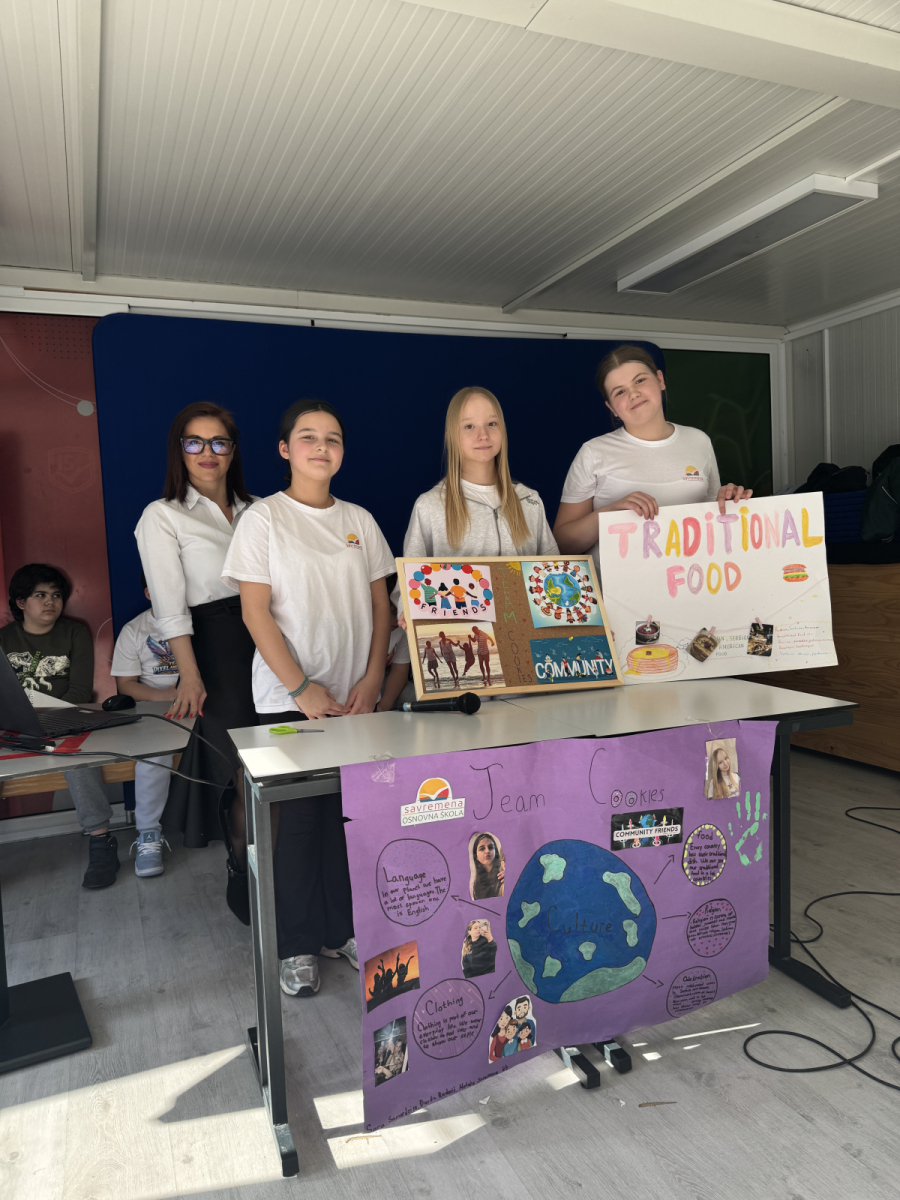
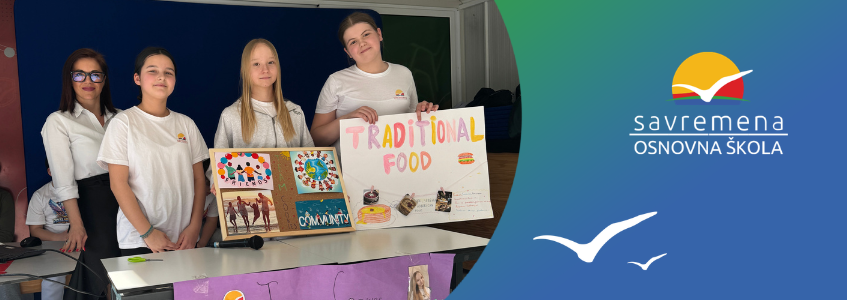
Team Traditional Food addressed traditional food from different cultures – why it’s important, how it’s preserved, what it means for community identity. They showed differences and similarities between Serbian, Russian, and American cuisine and explained how food connects generations.
Team Cookies (Unity) (Djurdja, Nata, Sara) explored community – how family, friendship, and community build stability, security, and identity. They compared Serbian, Russian, and American traditions, showed how holidays are celebrated, how music and tradition connect people. And they asked: what do you do with your family in your free time? Do you think friendship is important? Because these are not rhetorical topics – these are the foundations on which society is built.
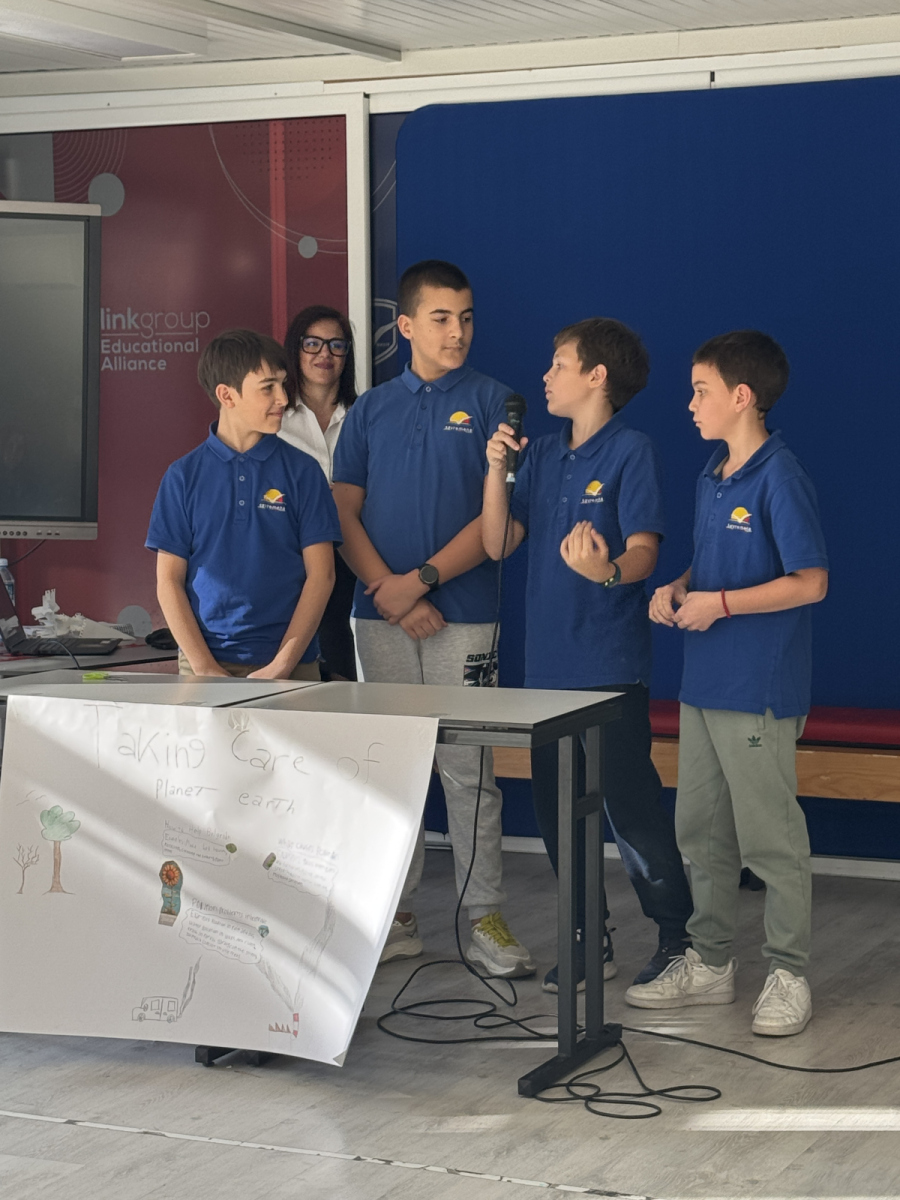
Planet protection teams (Ognjan, Boris, Andrija, Marko, and others) collected plastic, organized cleanups, sold snacks to earn money for equipment, placed recycling bins in kindergartens and pools. One team cleaned leaves at “Bibi” kindergarten for 2-3 hours, earned 4000 dinars, bought materials for recycling bins, and placed them where recycling actually happens. This is not theory – this is action.
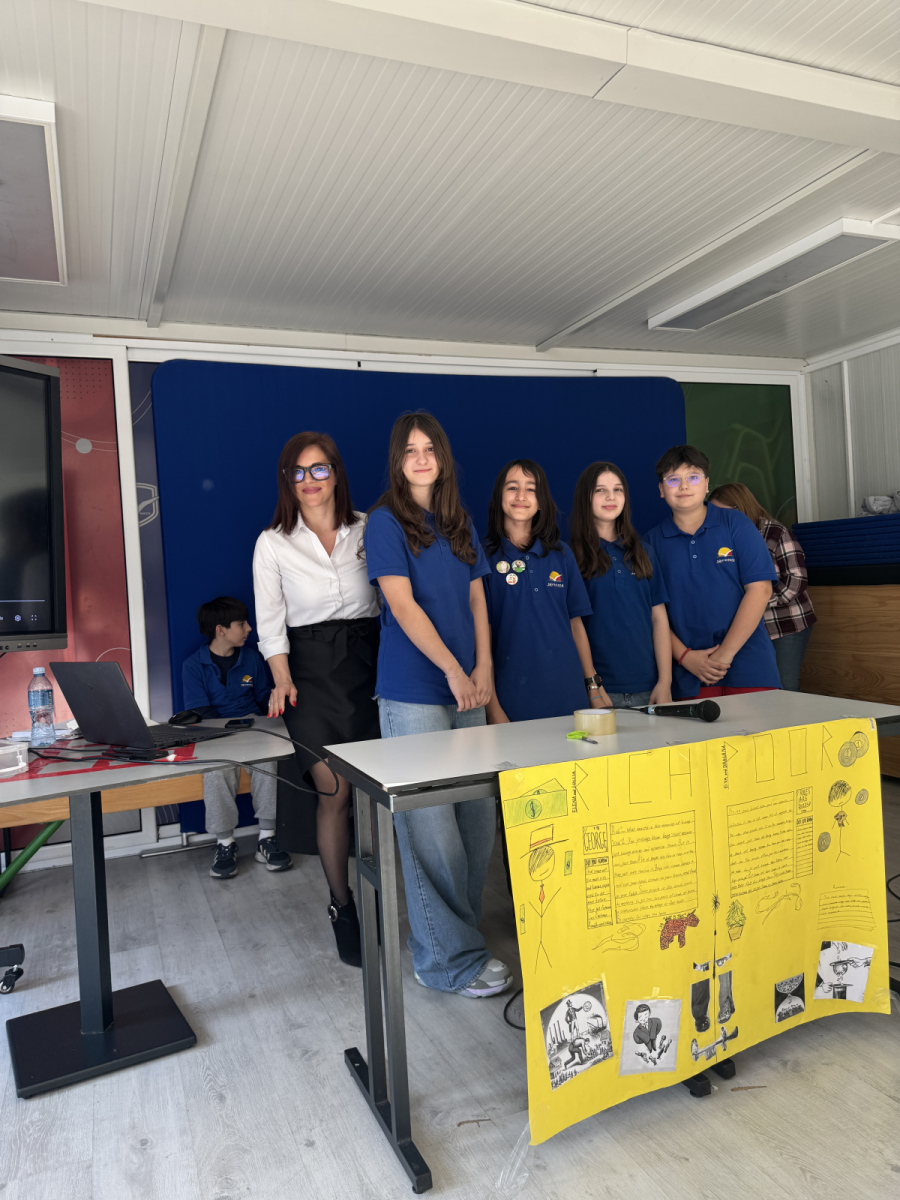
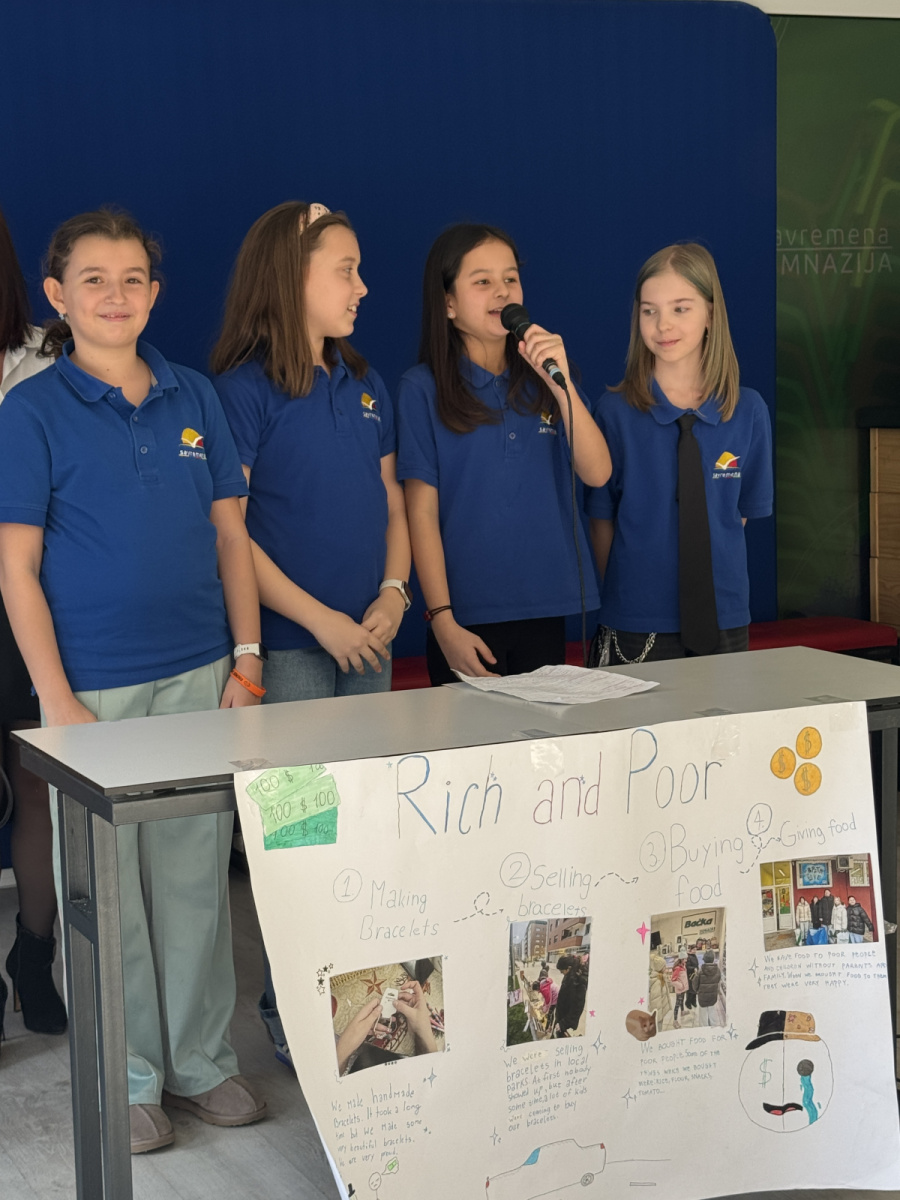
Rich and Poor teams (Eva, Elena, Lucija, Dragana) addressed social justice – how society treats rich and poor, whether it’s fair, what it means to be rich. One team made a video showing how people are treated differently just because they have or don’t have money. Another team sold bracelets, collected money, bought food and water, decorated bags, added money – and distributed everything to people who really needed it. And they concluded: “Happiness is not in money, but in the heart. That should be a lesson for everyone.”
What Global Perspectives Actually Builds
These projects are not a school assignment. It’s a process through which students learn how problems are solved – not theoretically, but practically. How to organize a team where everyone has different interests, where they don’t always agree, but must find a way to reach the goal together. How money is earned, planned, spent on what makes sense. How an idea turns into action. How failure turns into learning.
One team wrote: “Working as a team is hard. We all don’t have the same interests. But we chose a team with similar interests, so it was easier. And there was a lot of laughter.” Another team: “We had limitations – we couldn’t find a day when we would meet because we were all busy with school. We had to change the scenario because it was too long. Filming was hard because no one could be serious. But when we got into it, it became easier.”
This is what Global Perspectives builds – the ability to overcome problems. To adapt. To work with people who are not like you. To accept that it will be difficult, but to continue. And to have something concrete at the end – a video, a model, an action, a result.
Parents as Part of the Process
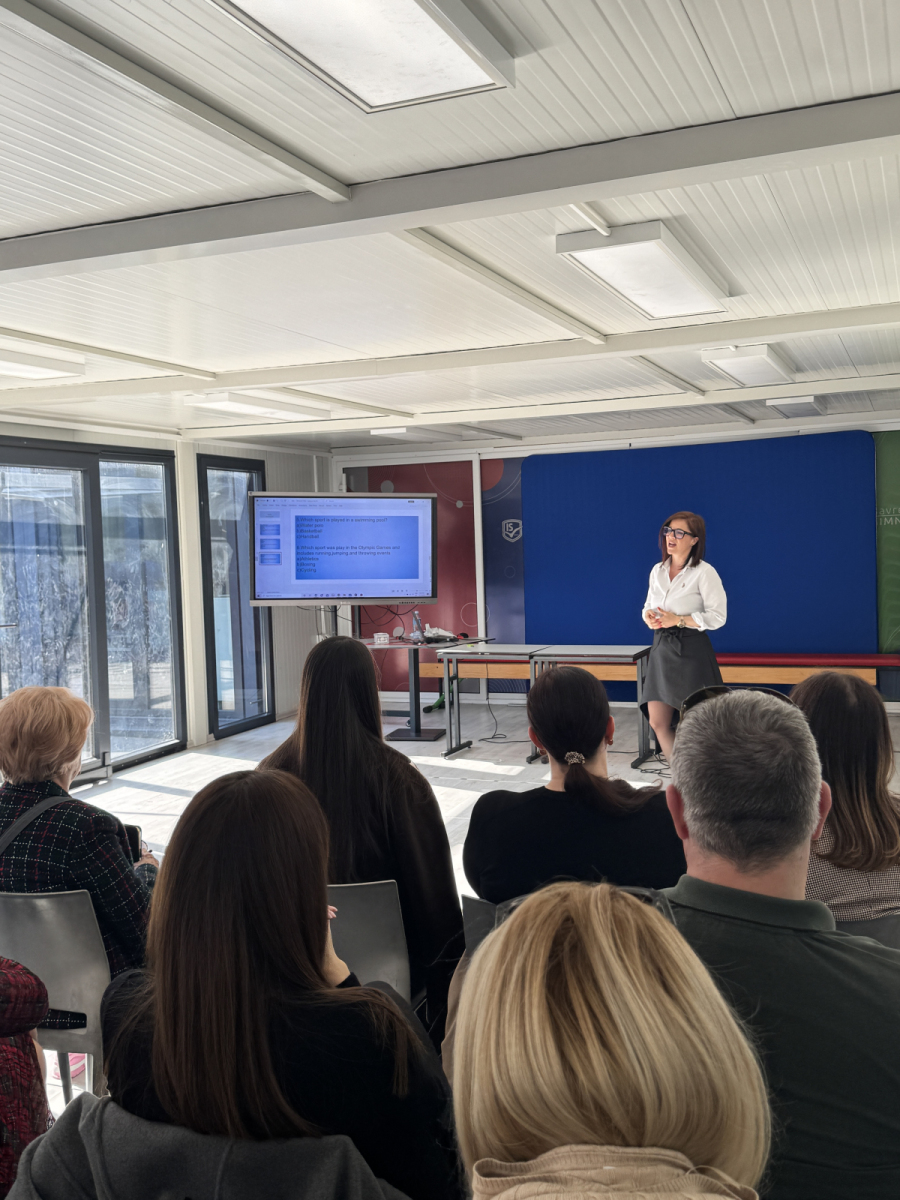
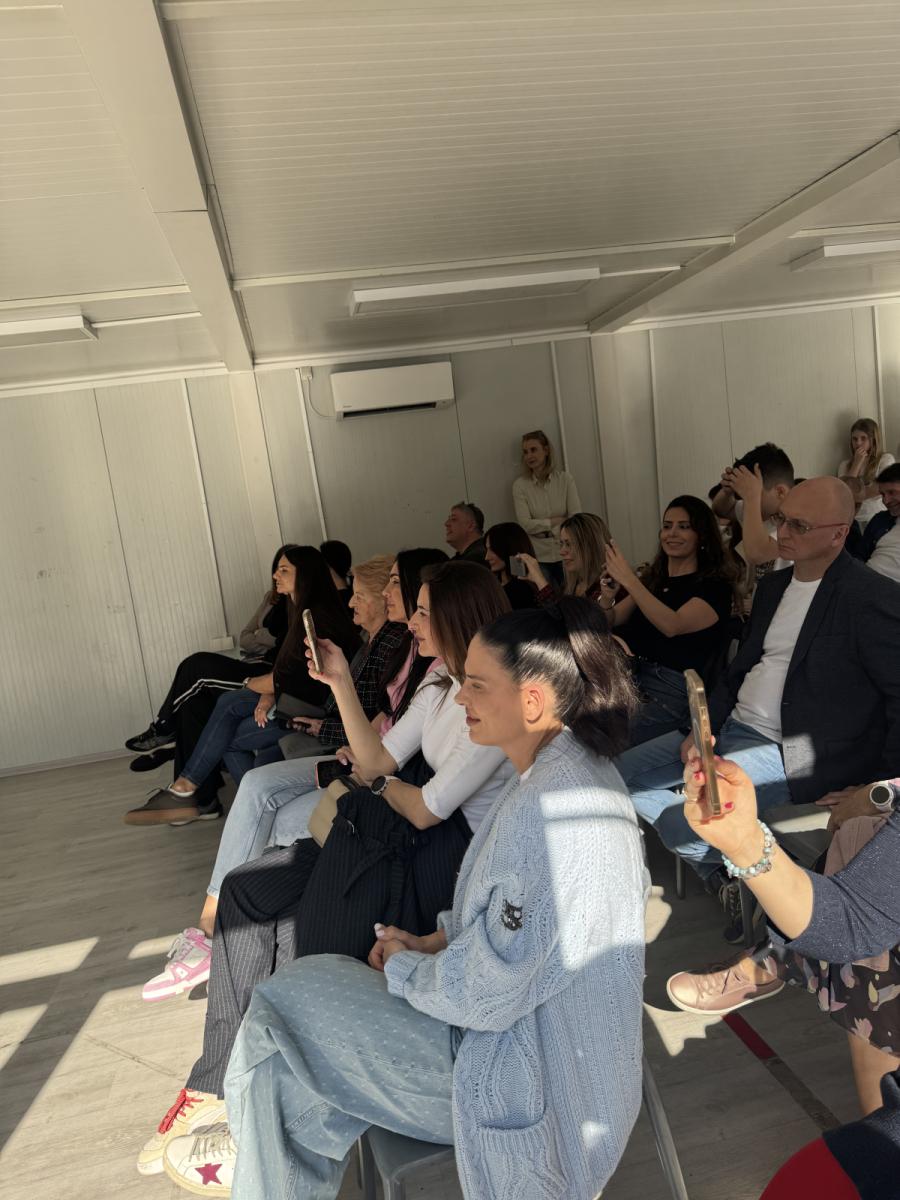
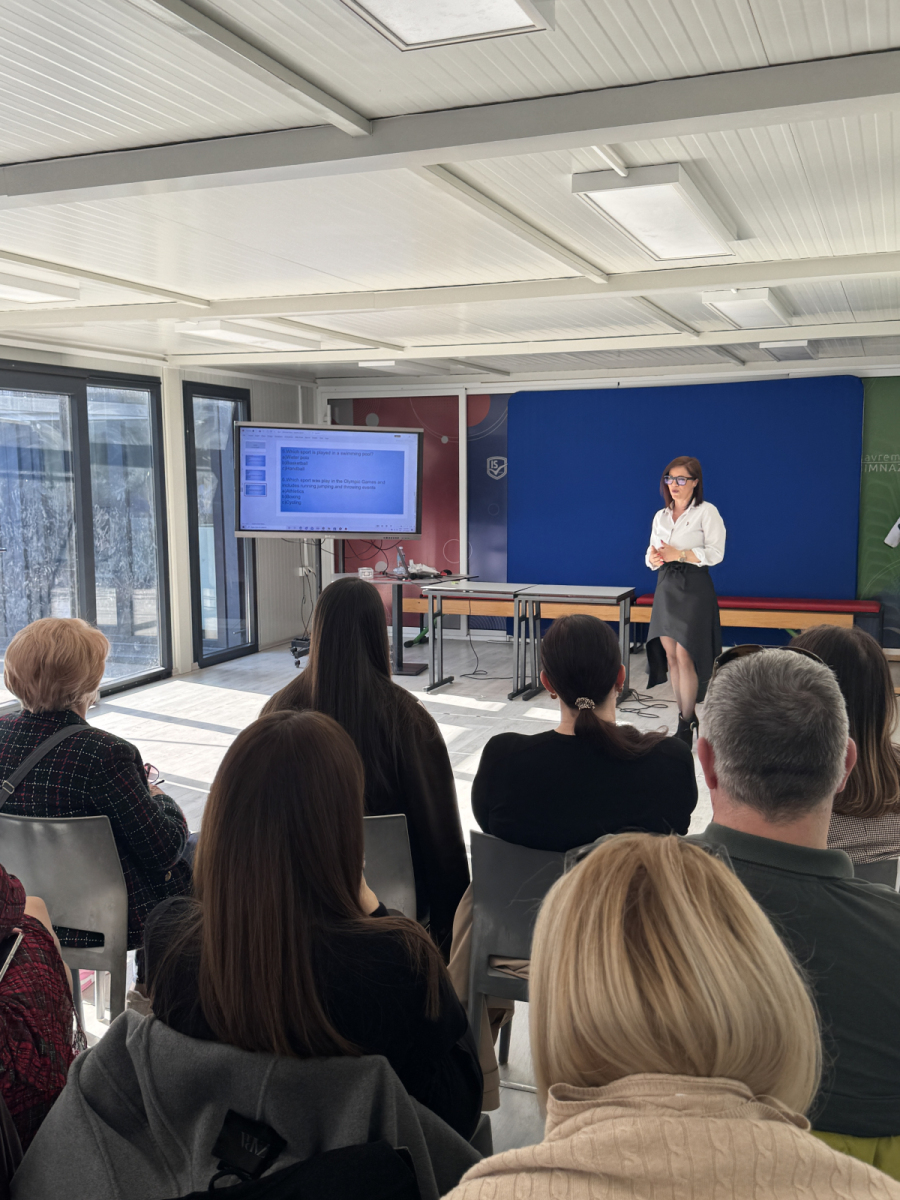
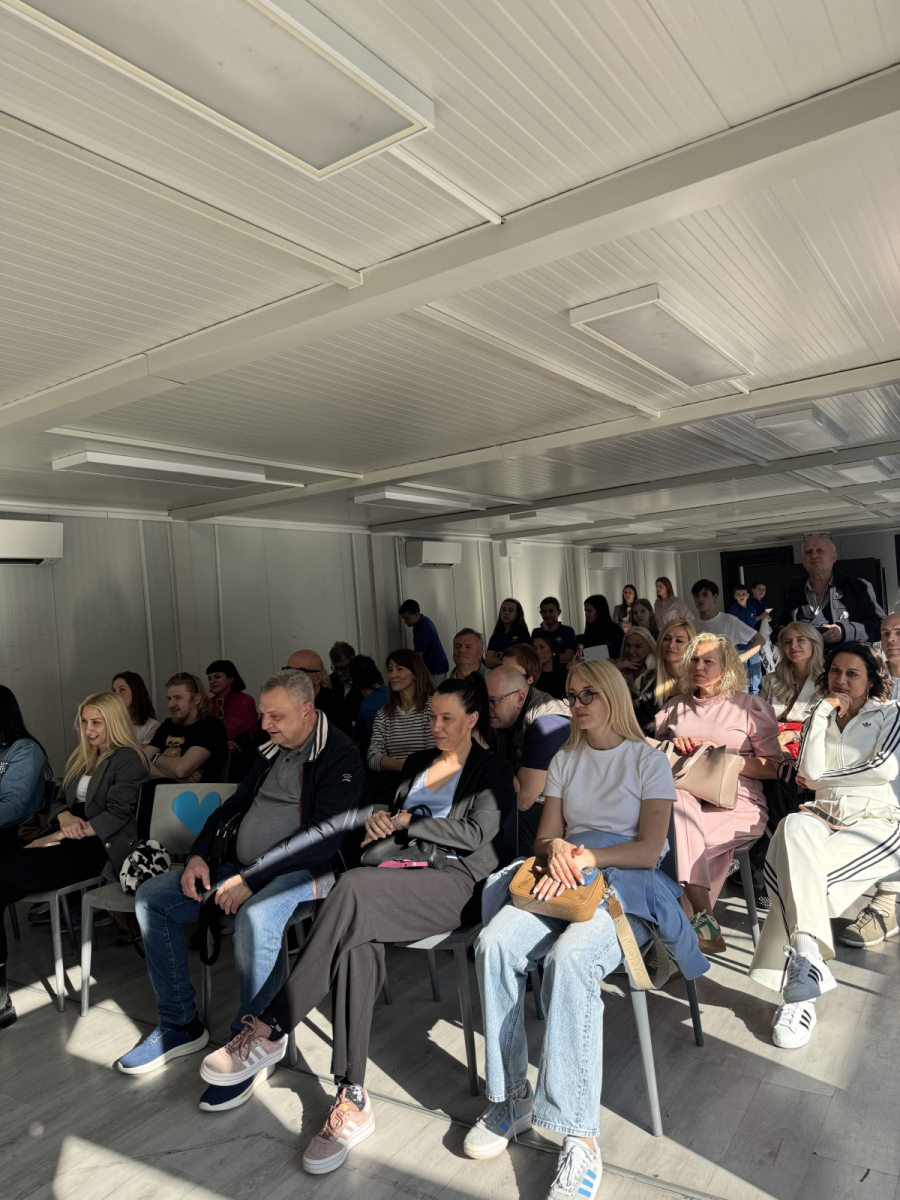
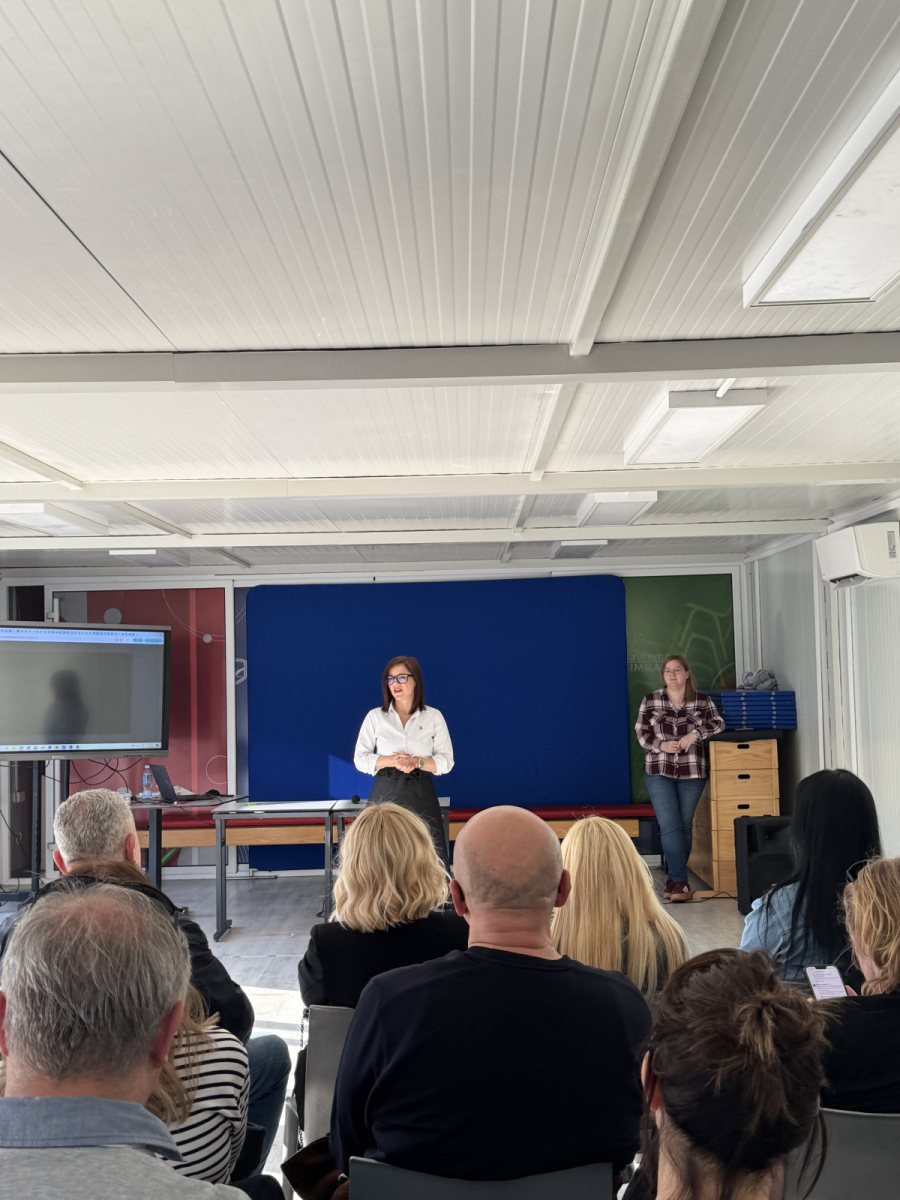
The Global Perspectives project presentation was held in front of parents – and that’s not accidental. Parents were not there just to applaud. They were part of the process – they saw what children did, how they did it, why it’s important. And this is another way Savremena Primary School builds community – through transparency, through involving parents in education, through showing that what is learned in school makes sense outside of school.
Congratulations to all fifth graders on excellently completed projects and thank you to teacher Danica Simović for leading this program! Global Perspectives shows that Savremena students don’t just learn about the world – they actively influence it. And that’s education that makes sense. 🌍🎓