

Art with Personal Signature Inspired by Picasso

/ / Blog / January 22, 2026

Art with Personal Signature
Inspired by Picasso

A Play of Perspective

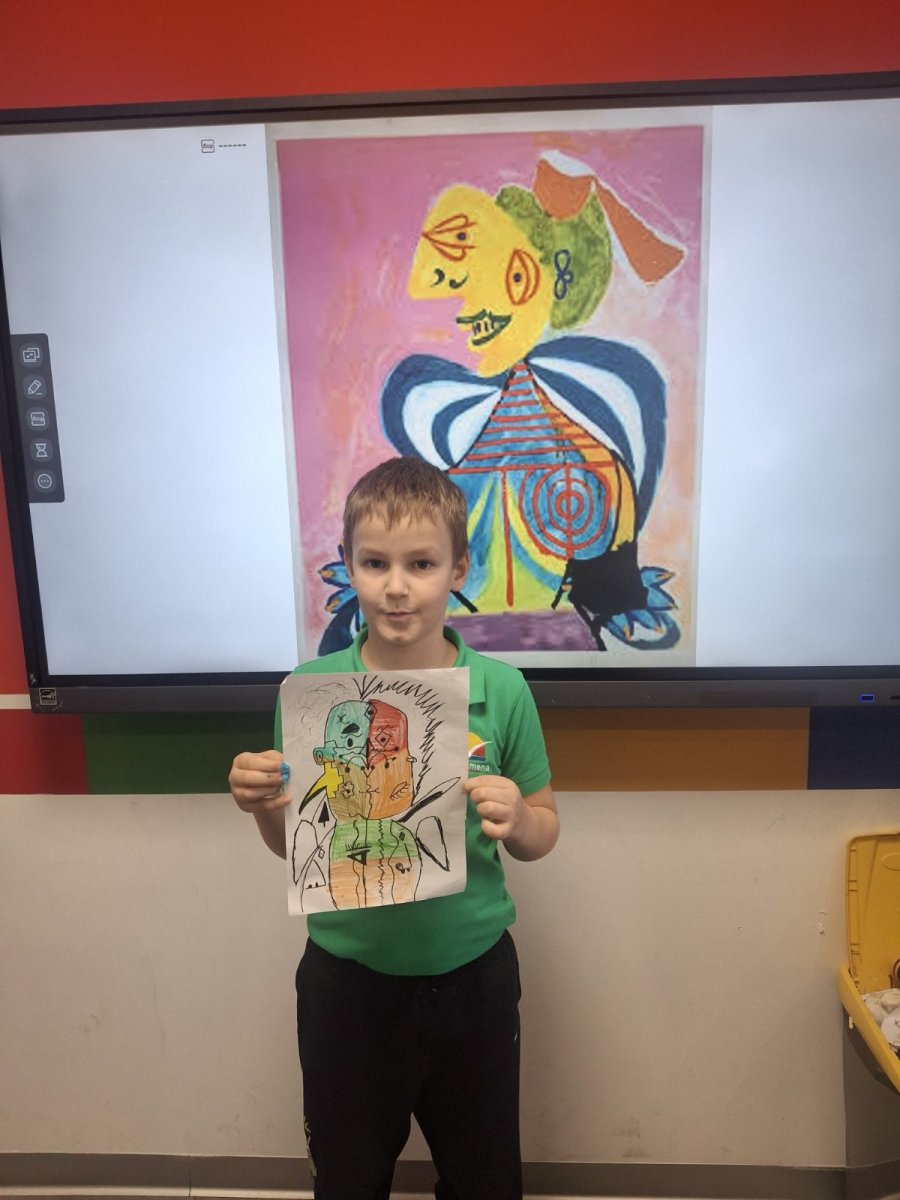
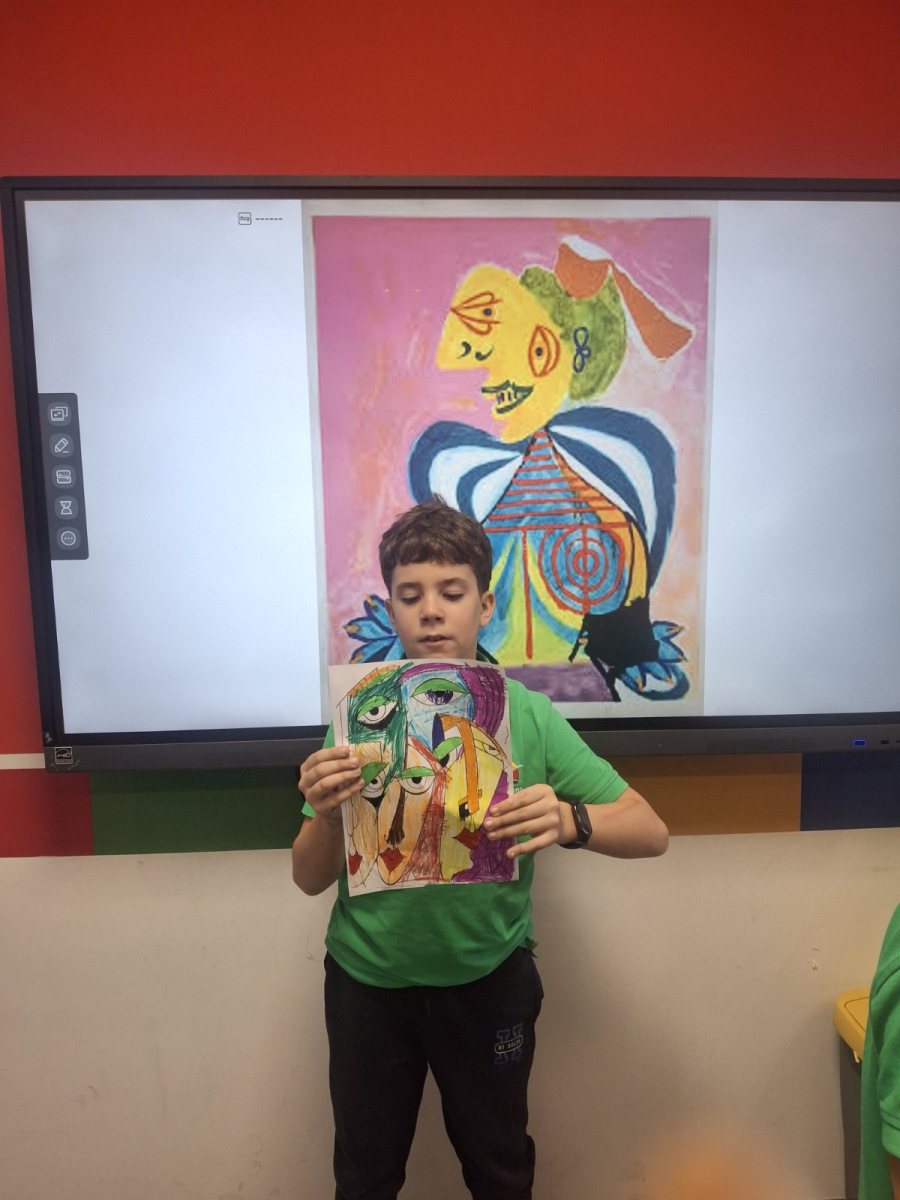
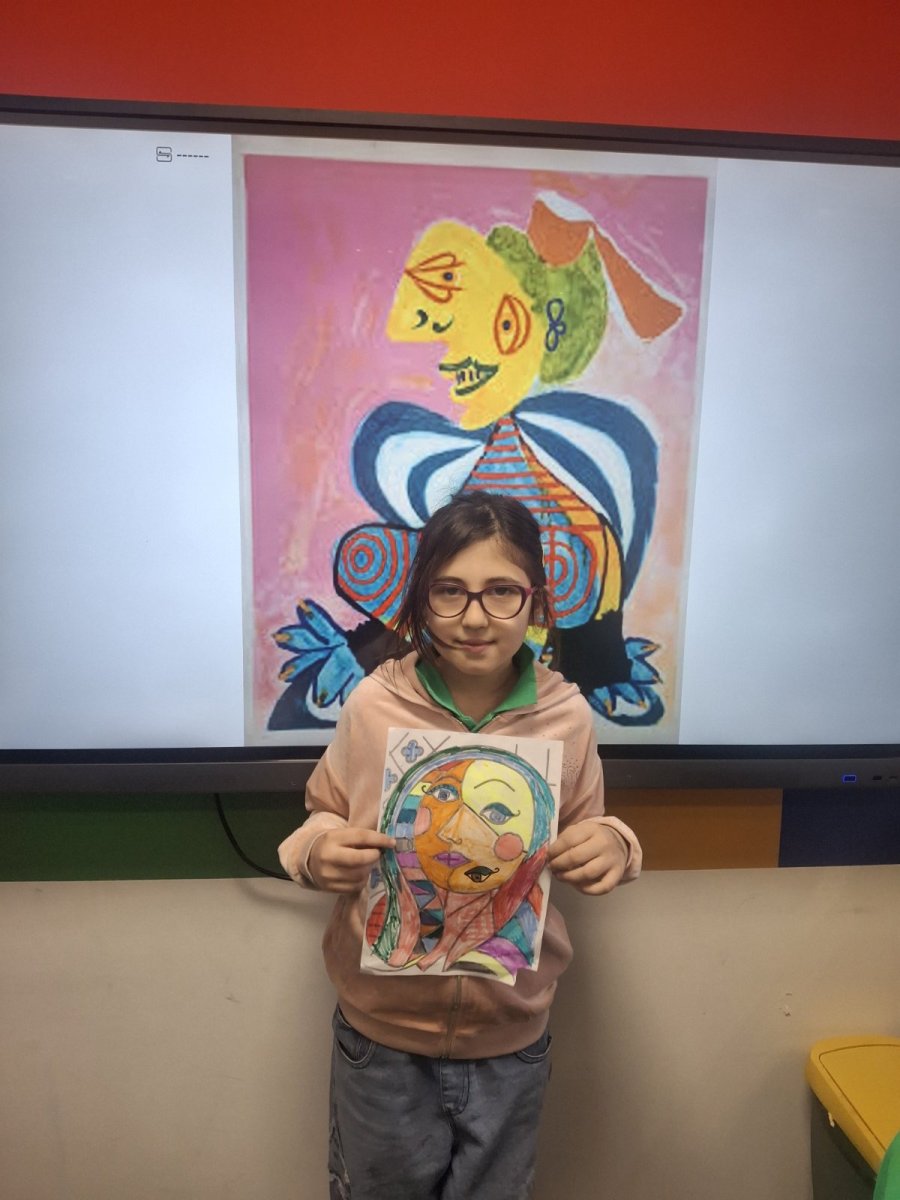
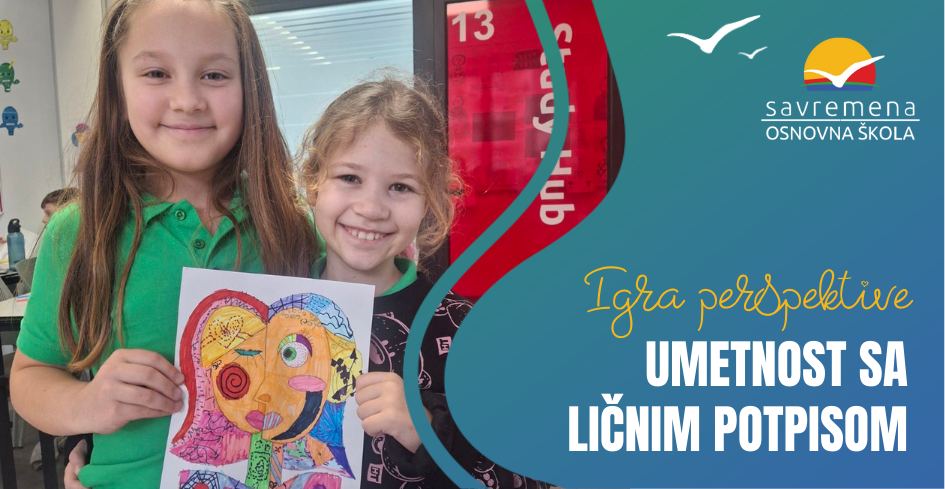
In the art class at Savremena Primary School, students stepped into the world of one of the 20th century’s most influential artists – Pablo Picasso. Through analysis of his distinctive cubist style, Savremenci explored how a face can be portrayed from multiple angles simultaneously, how geometric forms build emotion, and why art doesn’t have to be realistic to be powerful. The goal wasn’t to copy Picasso, but to understand him – and then for each student to find their own way to transform that inspiration into a drawing bearing a personal stamp.

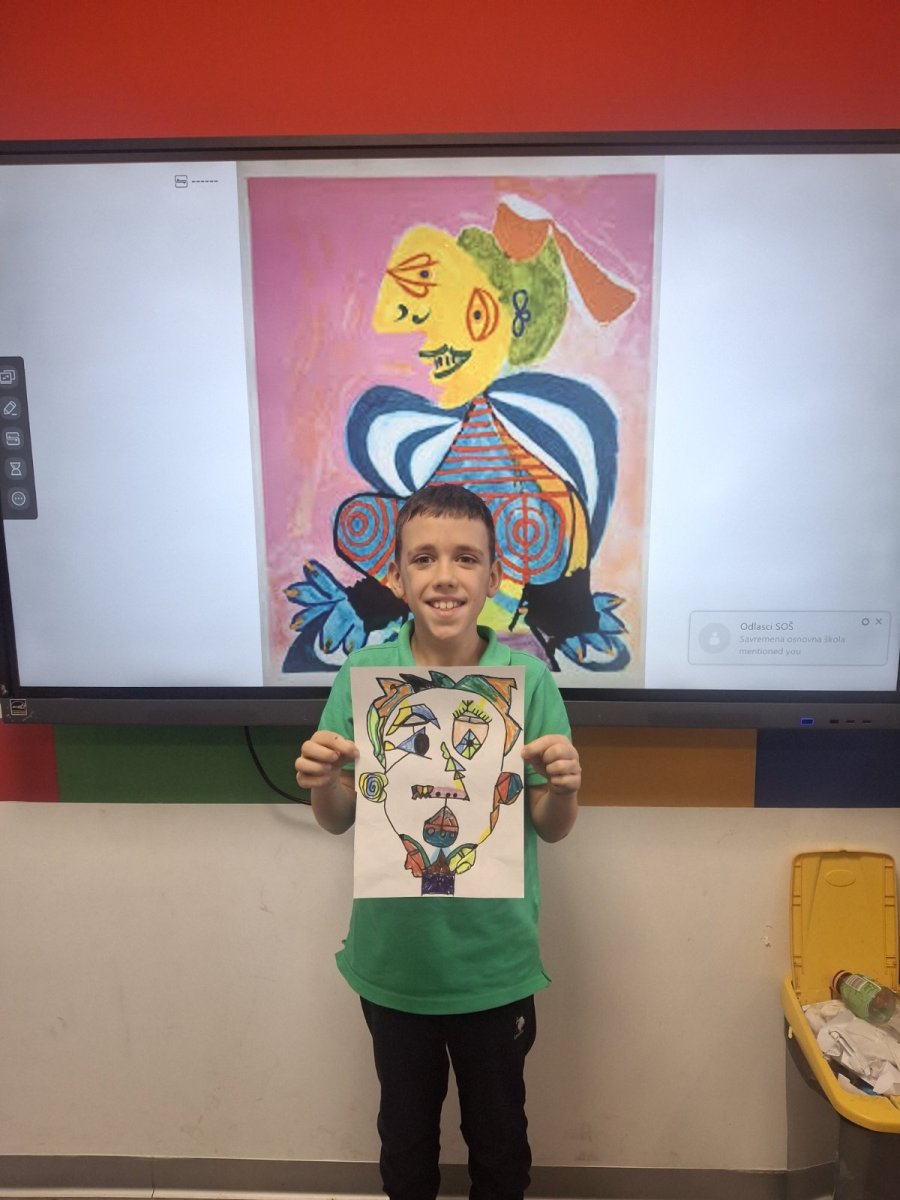
Before reaching for colors and markers, conversation was key. What makes cubism recognizable? How does Picasso break down a face into fragments, then reassemble it in a new, unexpected way? How do color, line, and form together create character? Students observed reproductions of works, asked questions, exchanged impressions. And they understood something important – that art begins with the freedom to see the world differently.
Every Work – A Unique Story

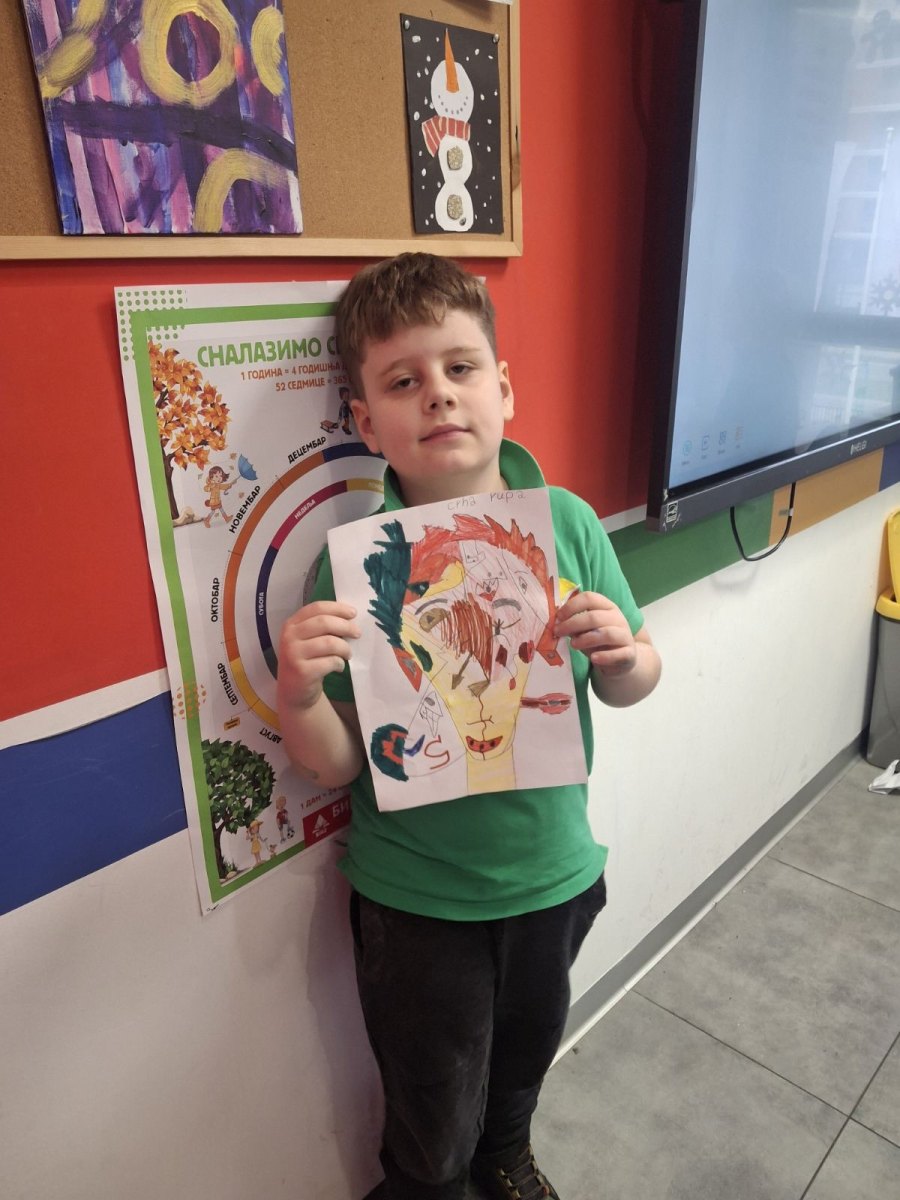
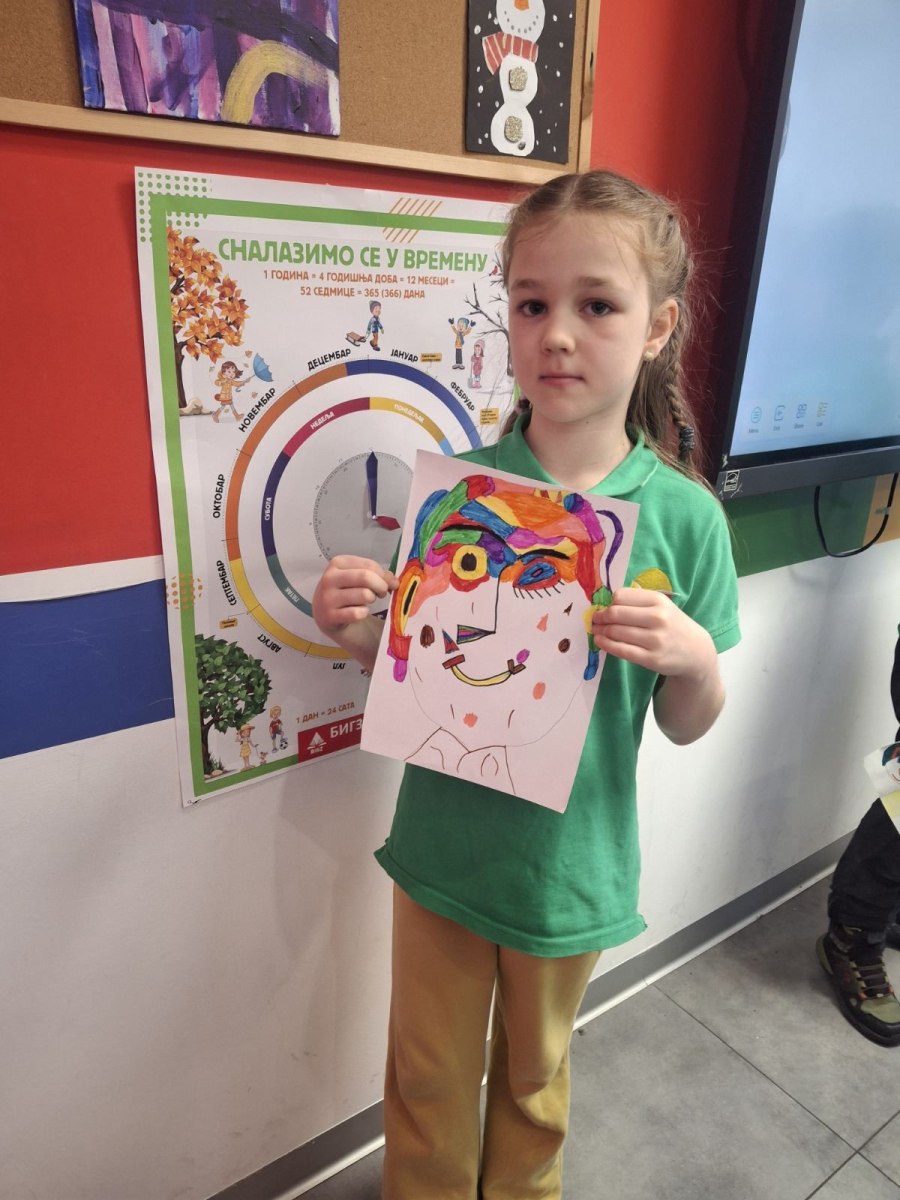
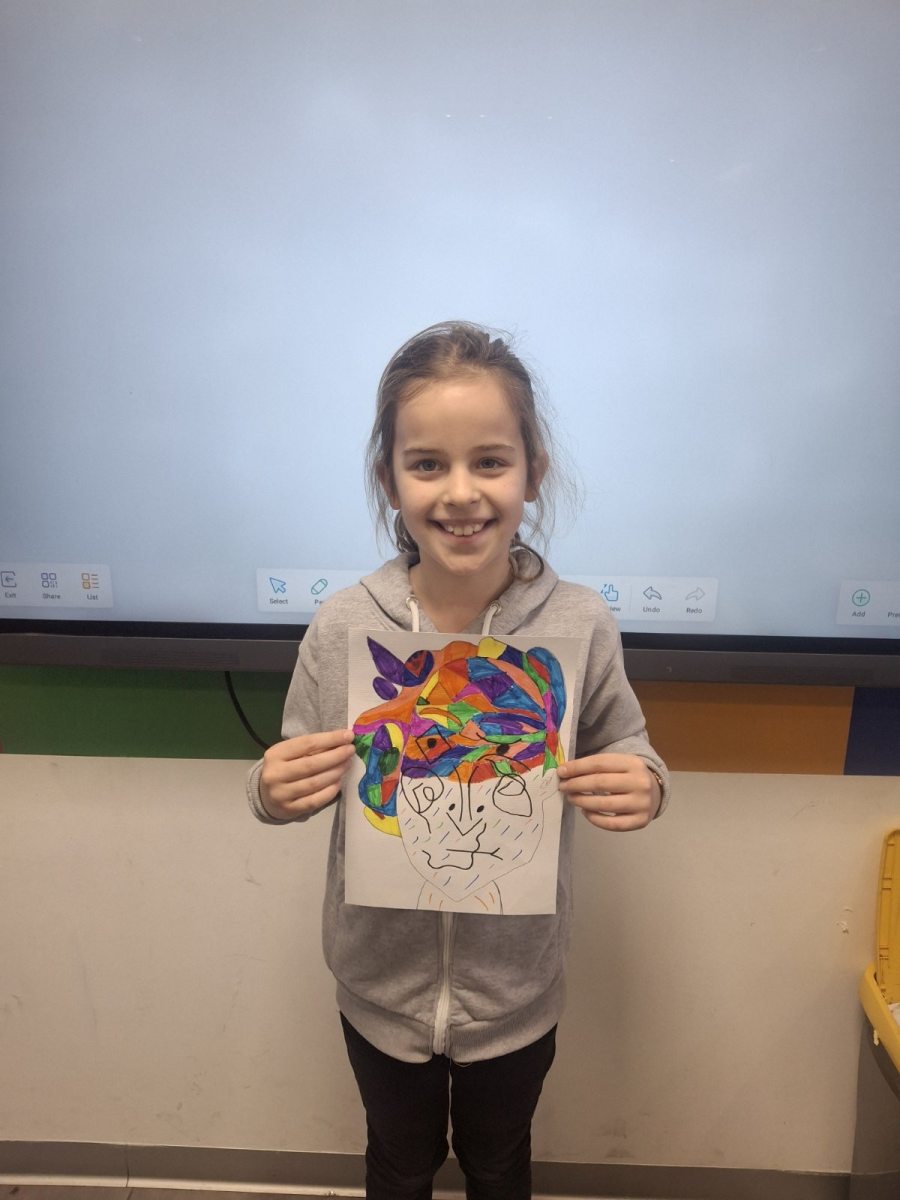
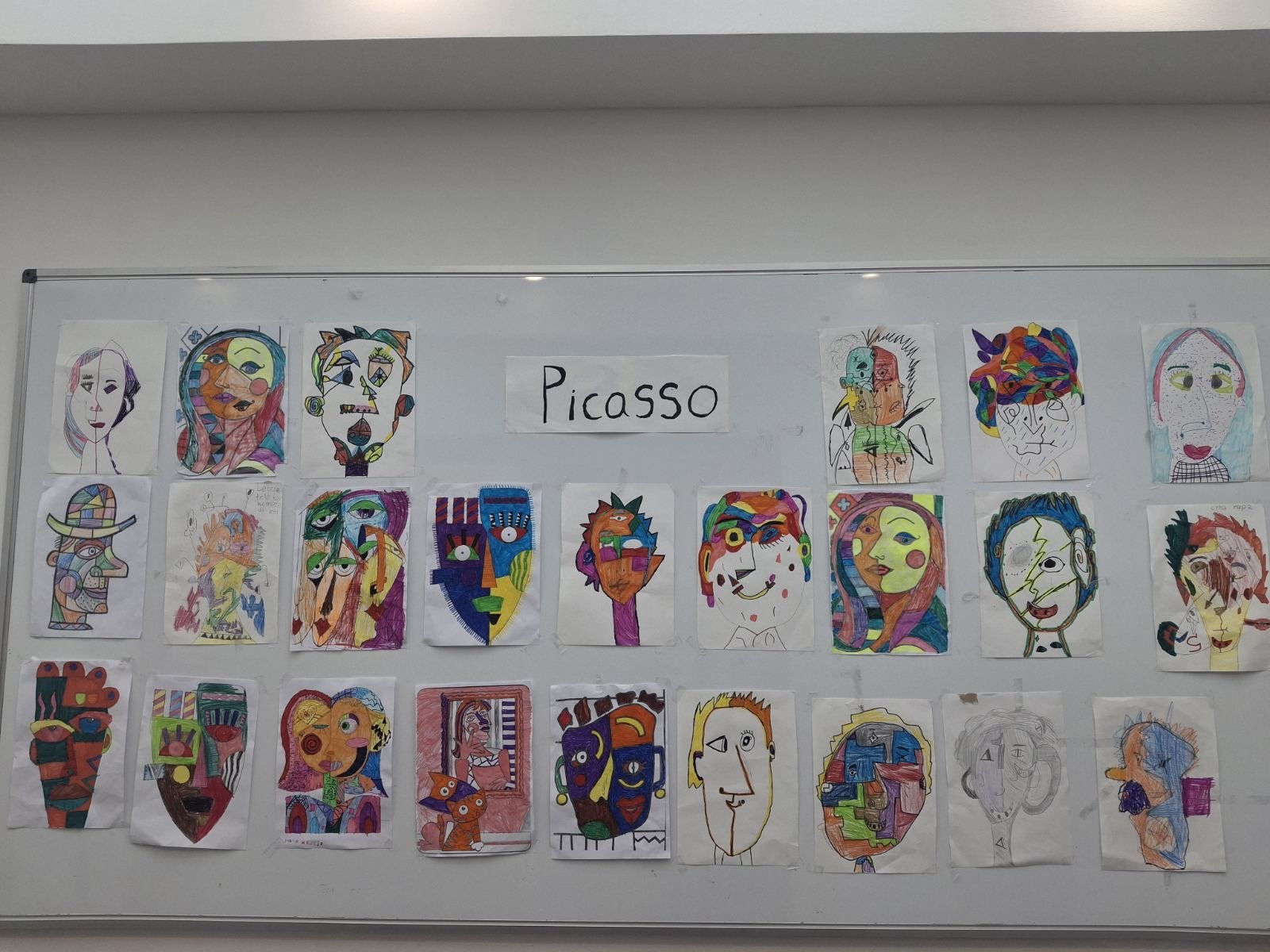
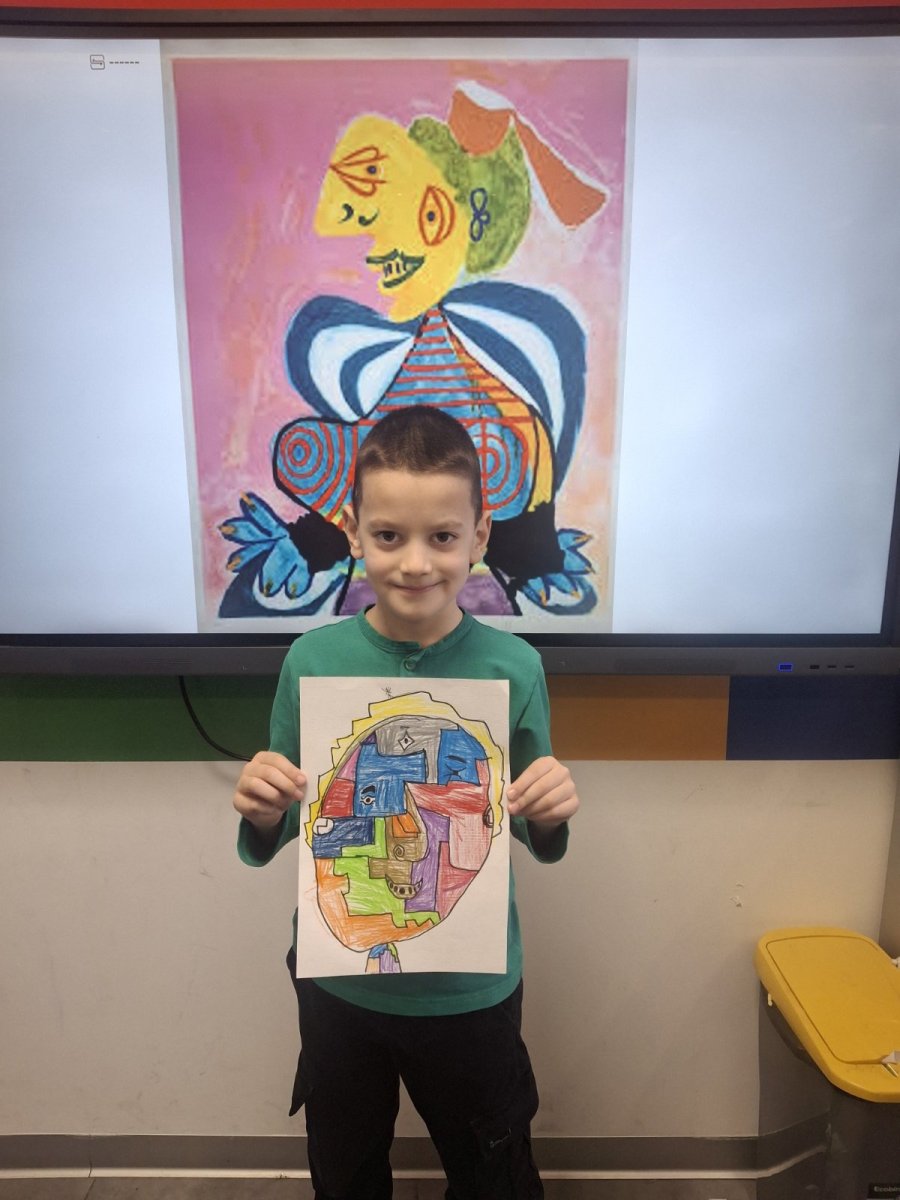
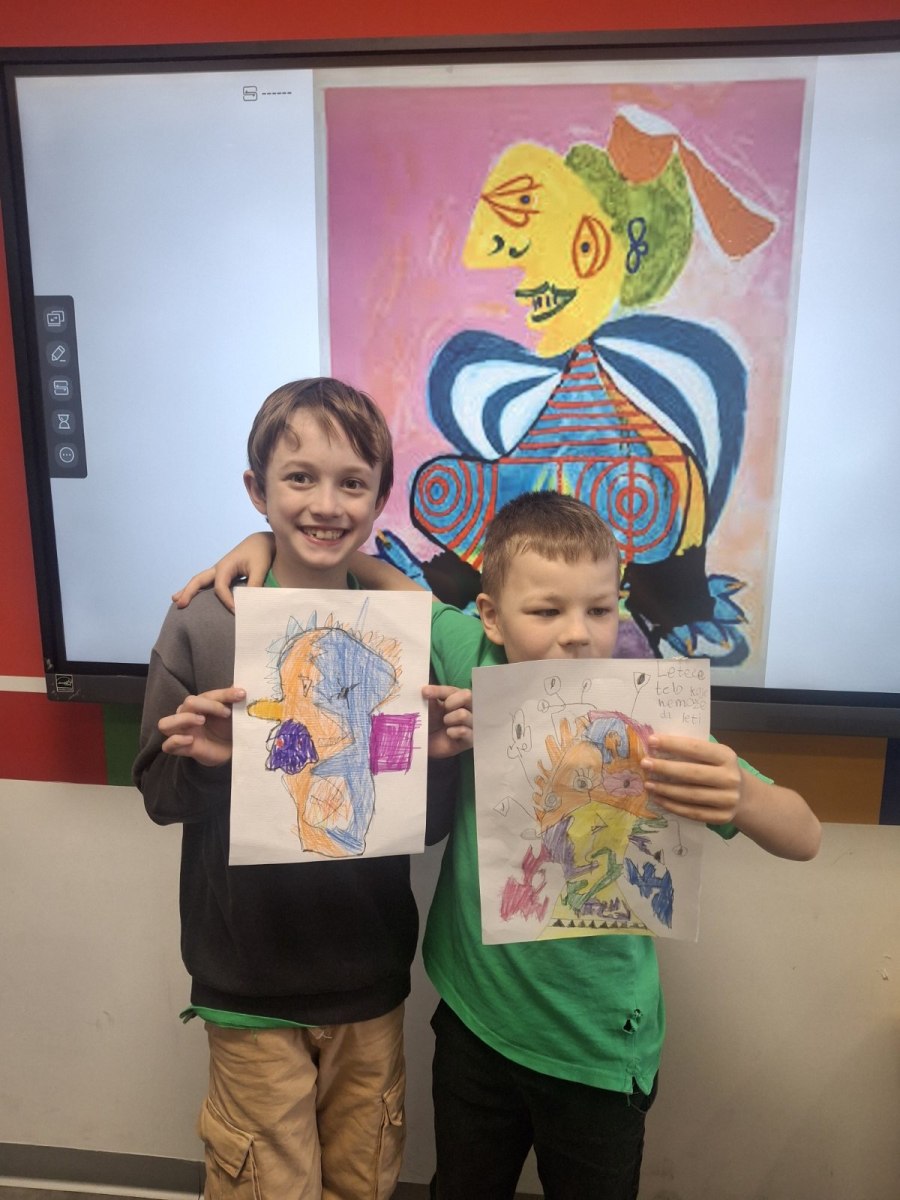
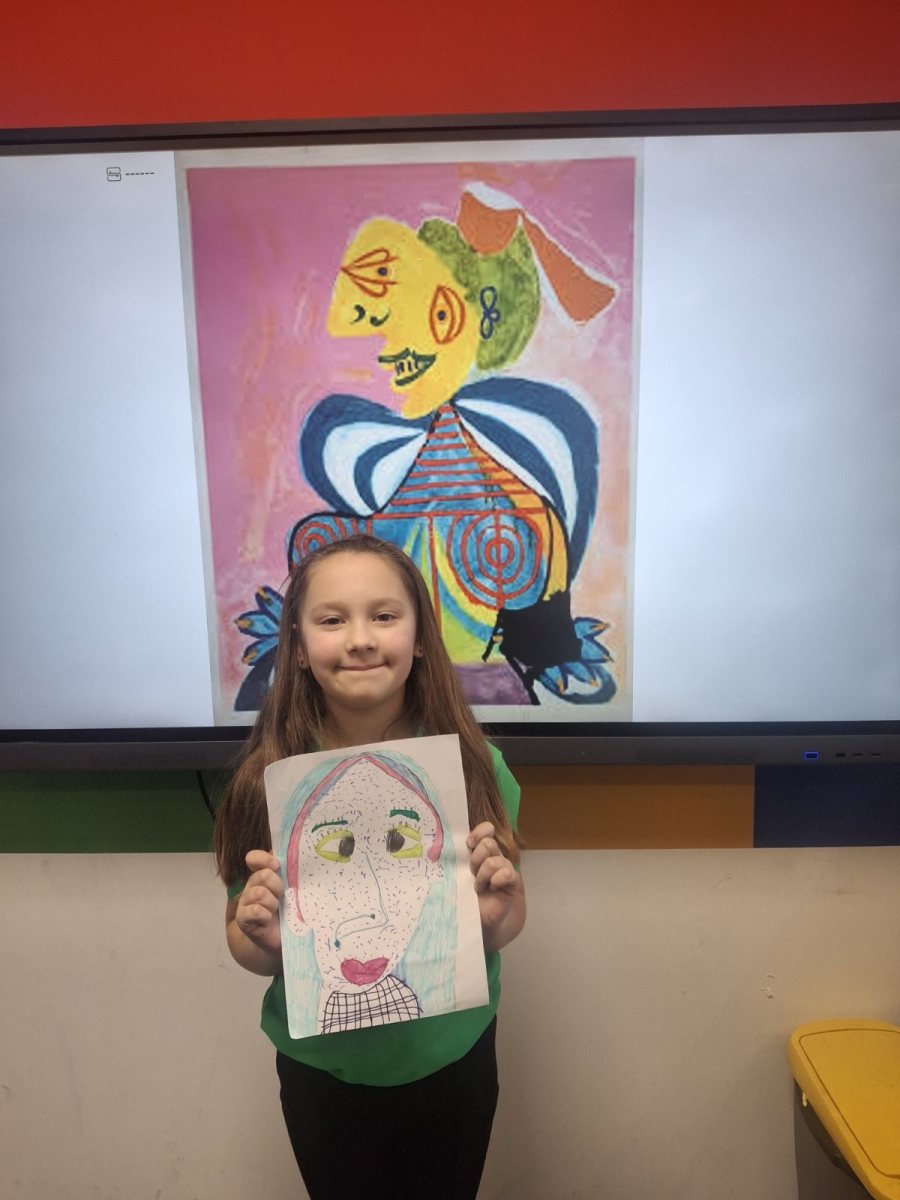
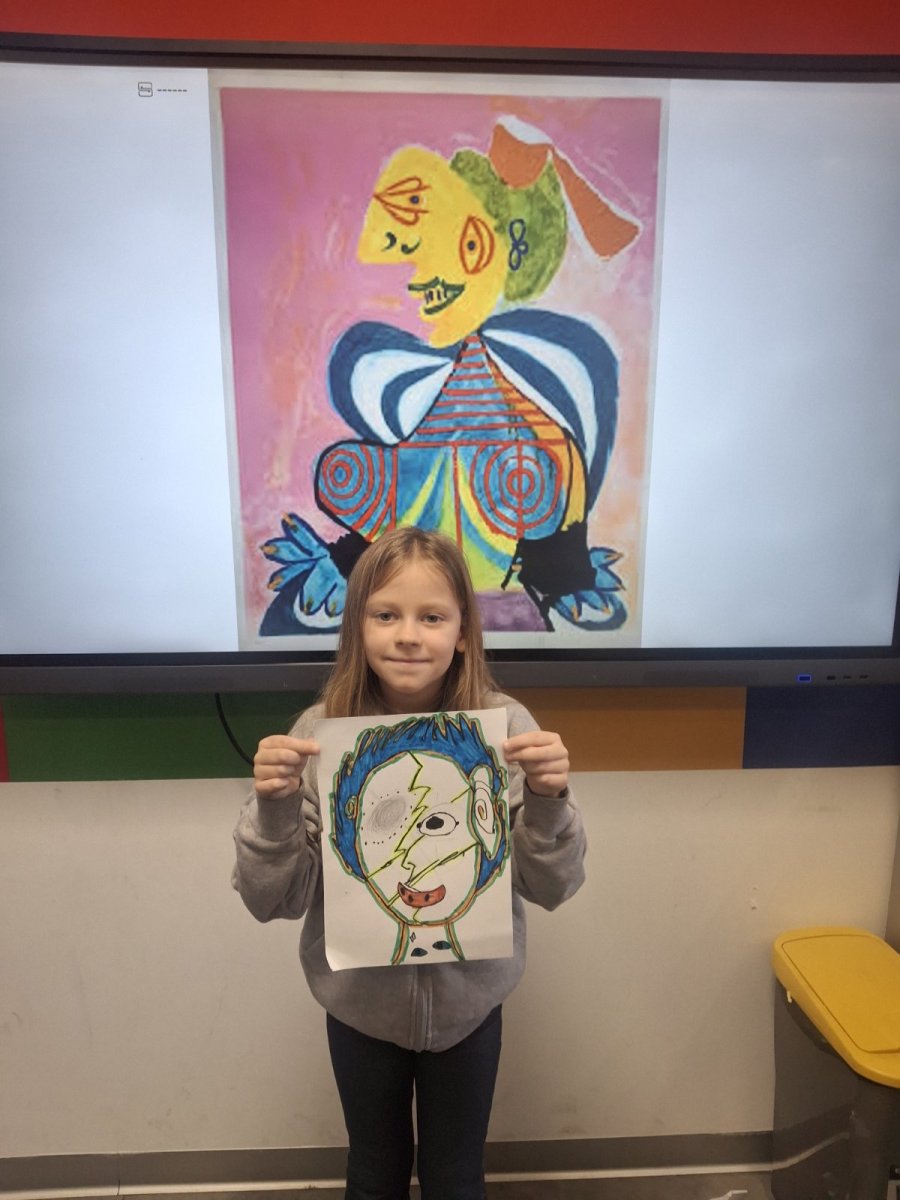
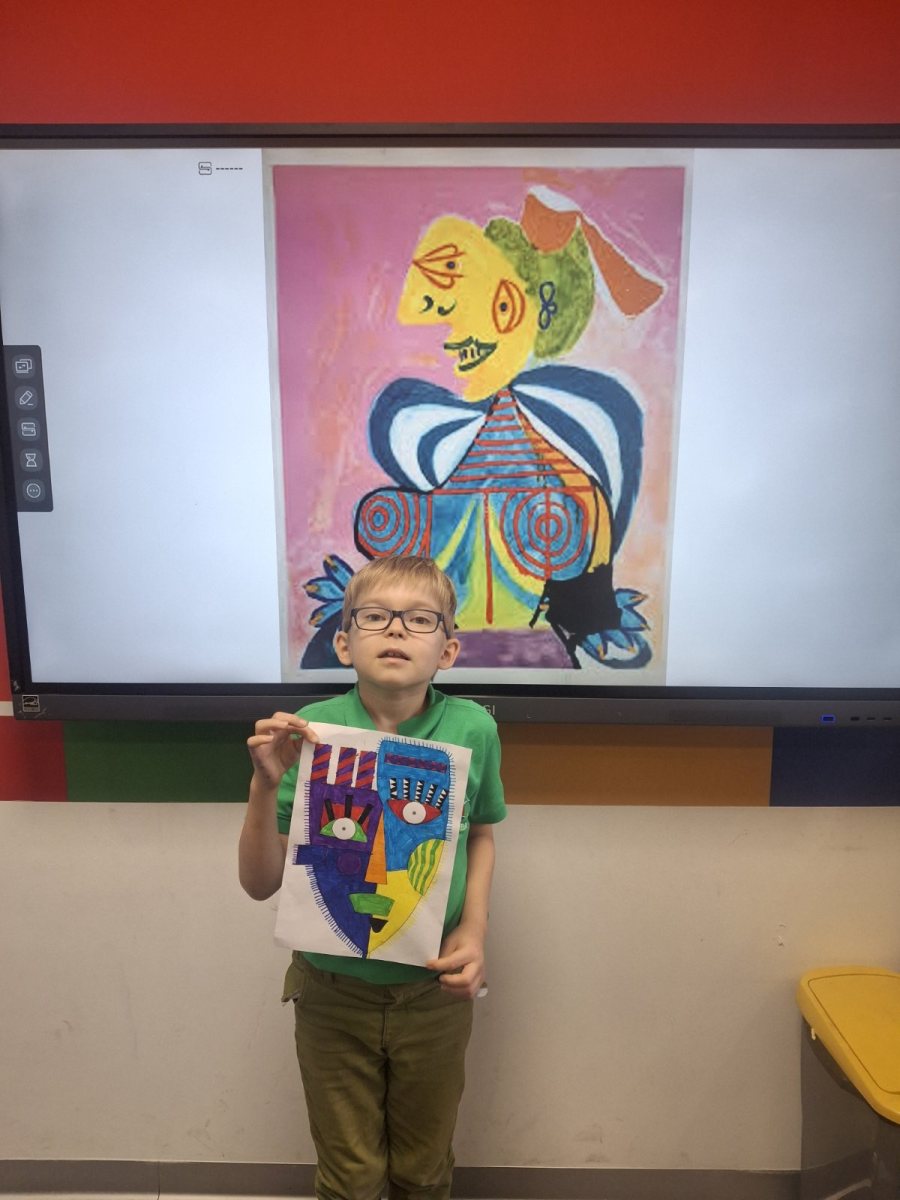
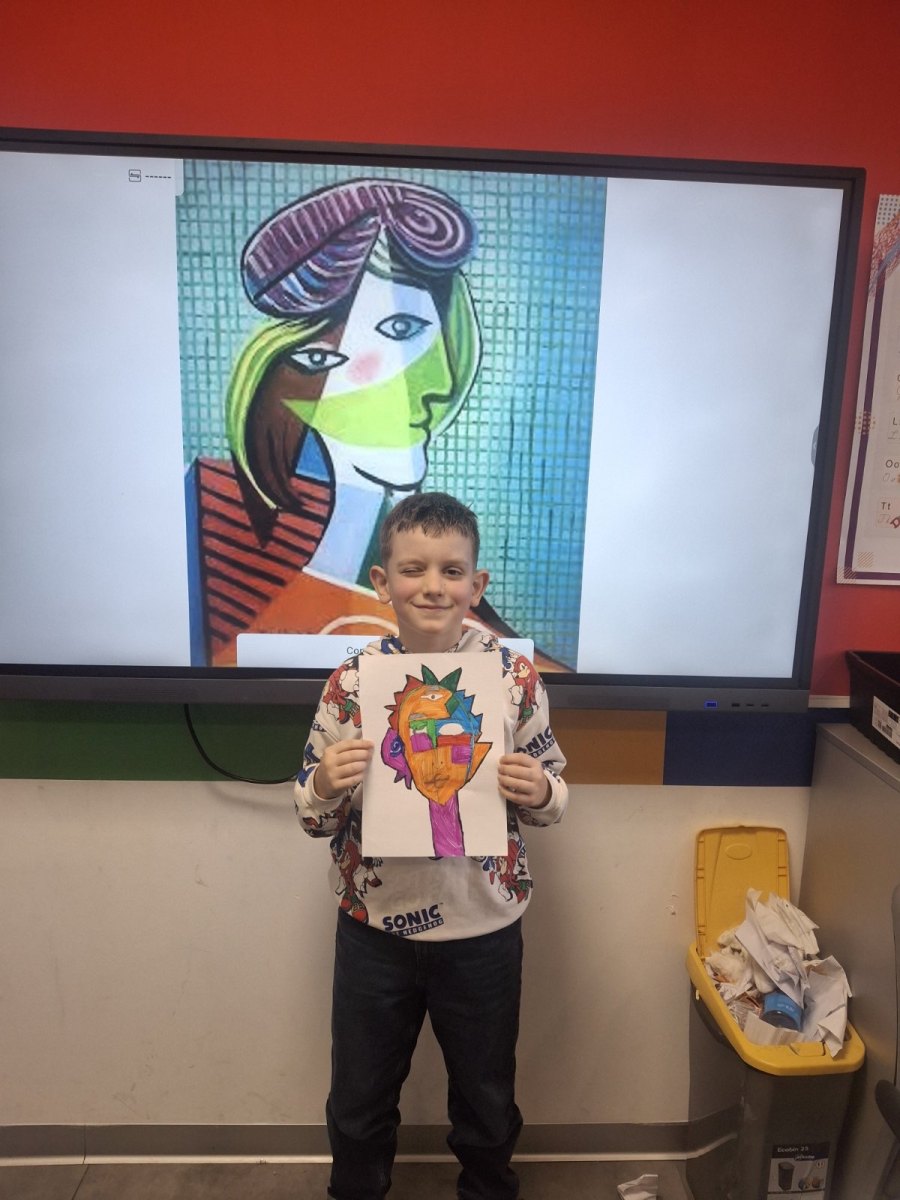
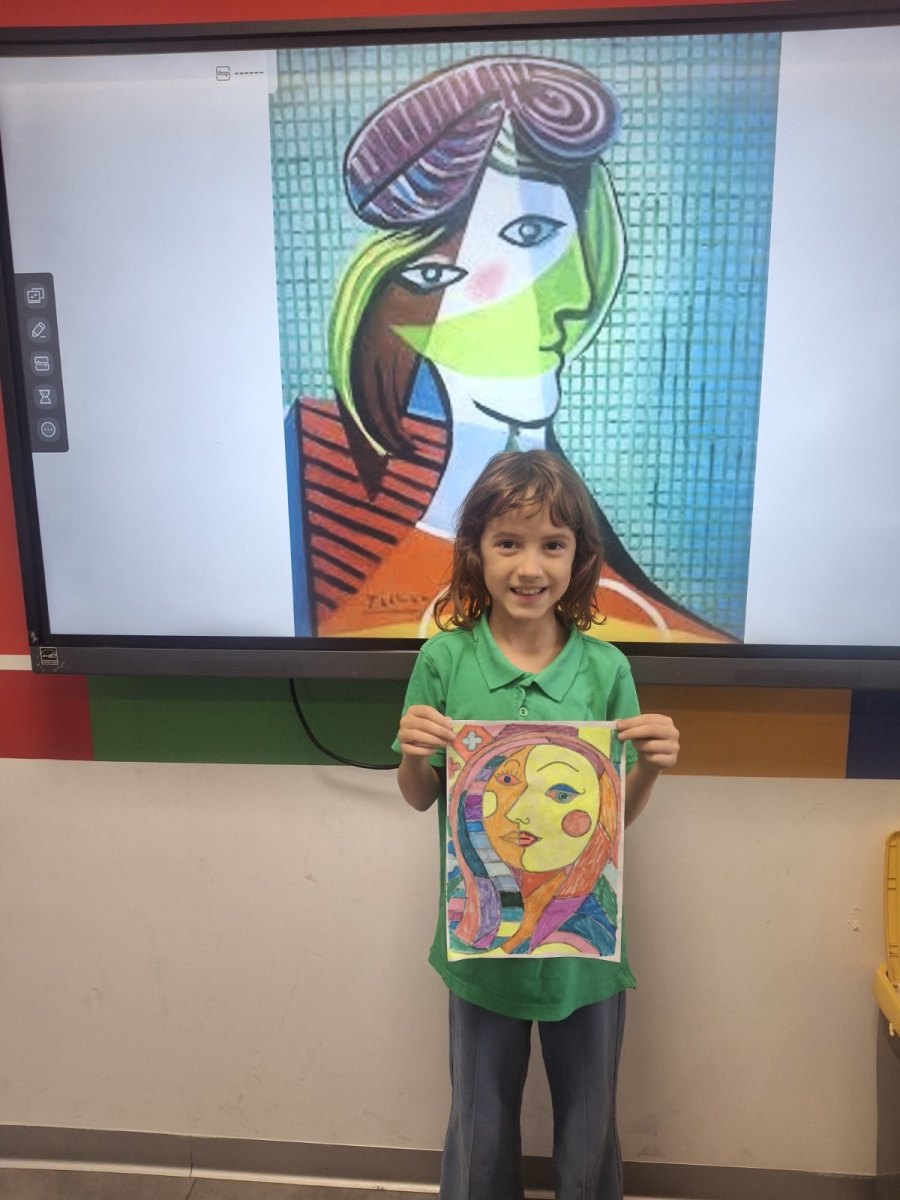
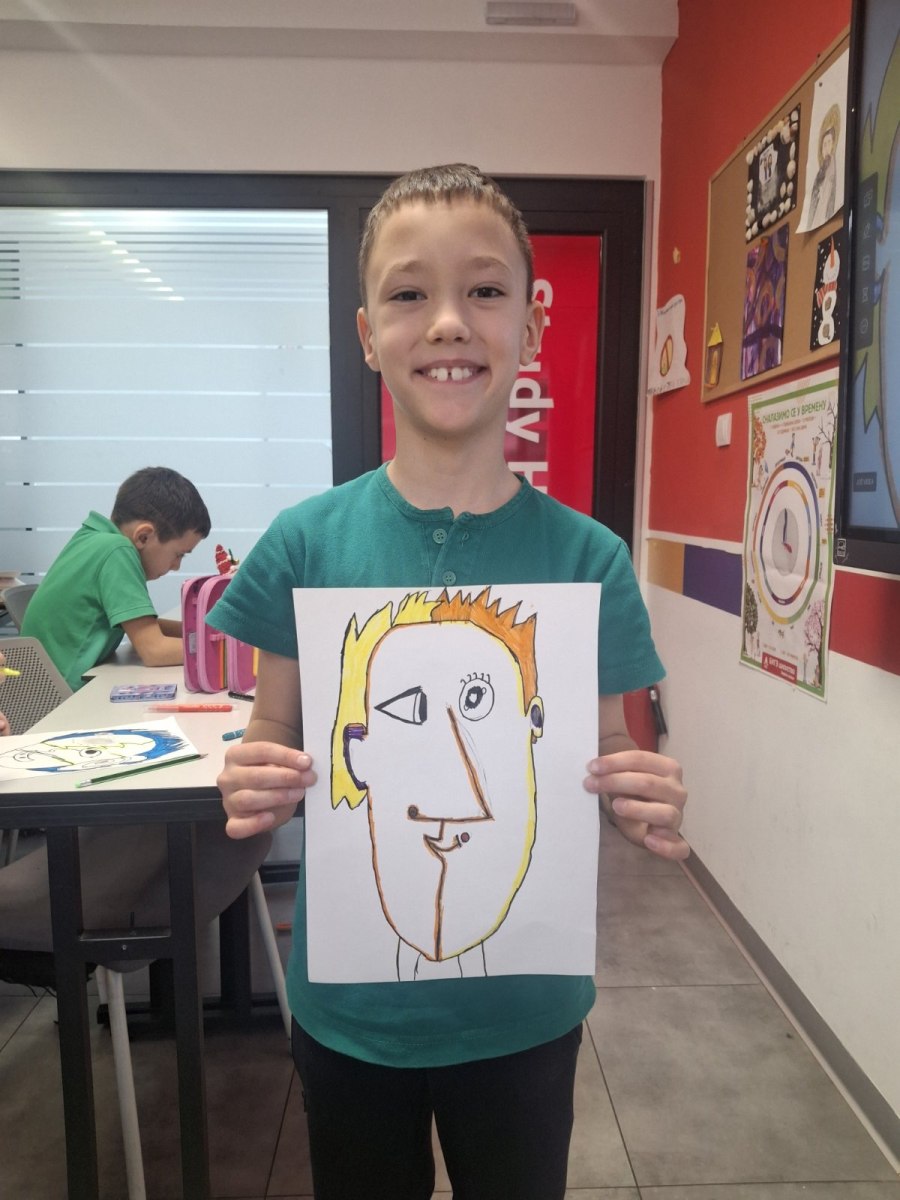
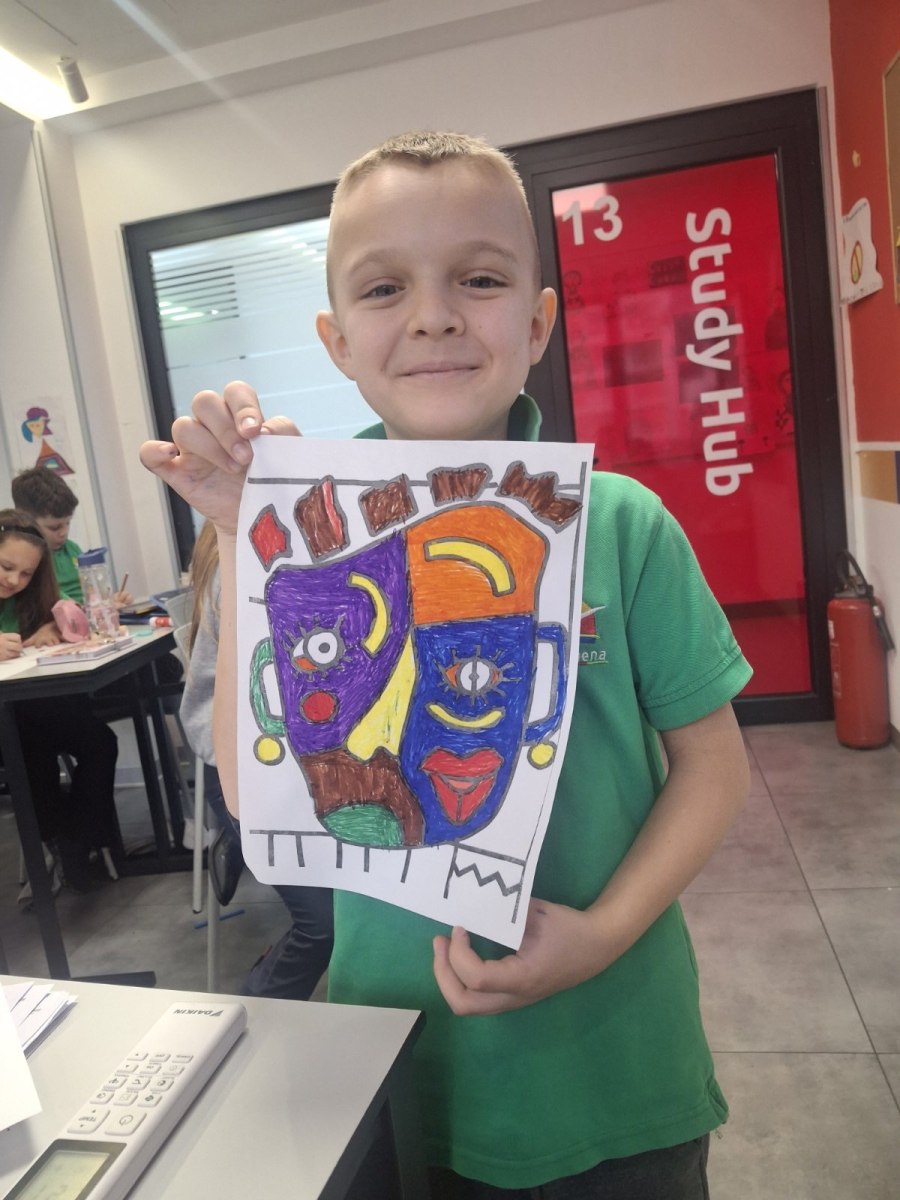
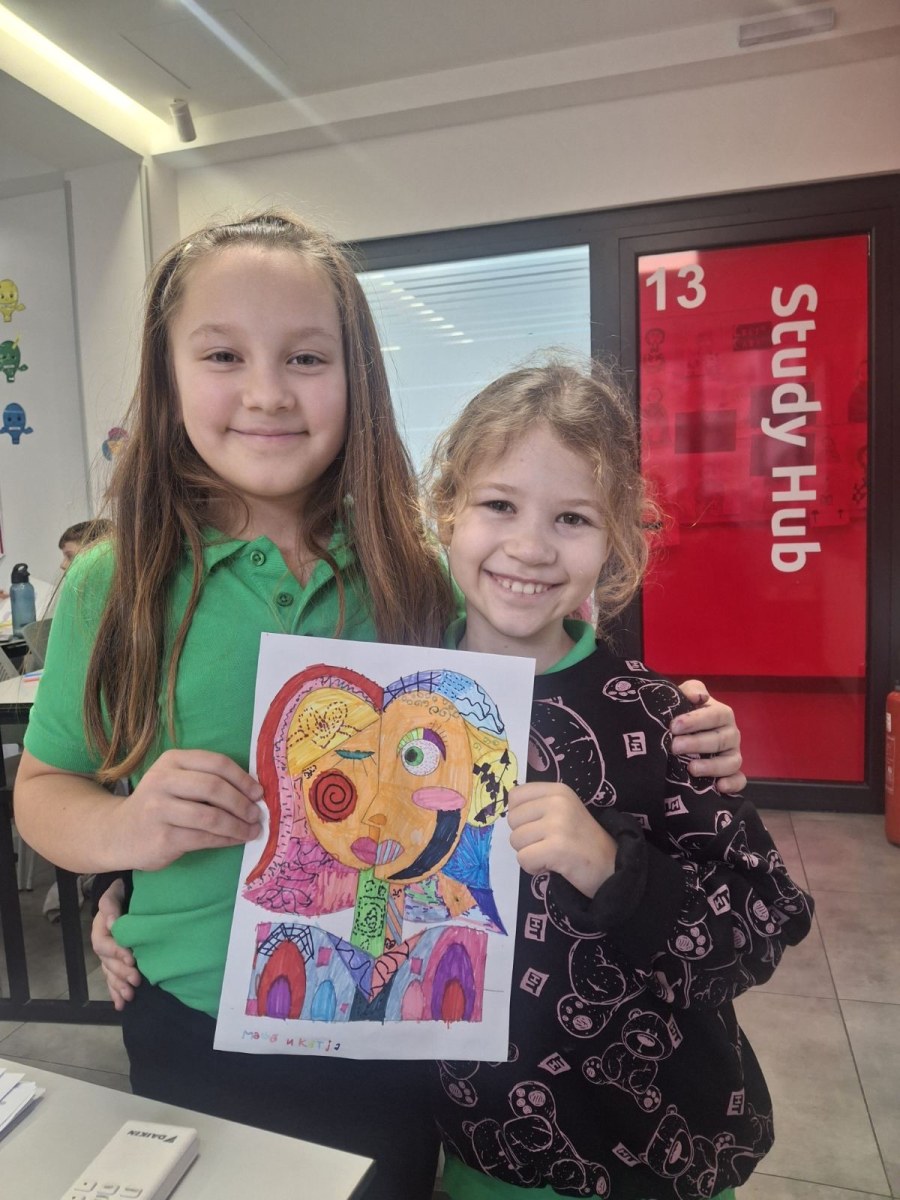
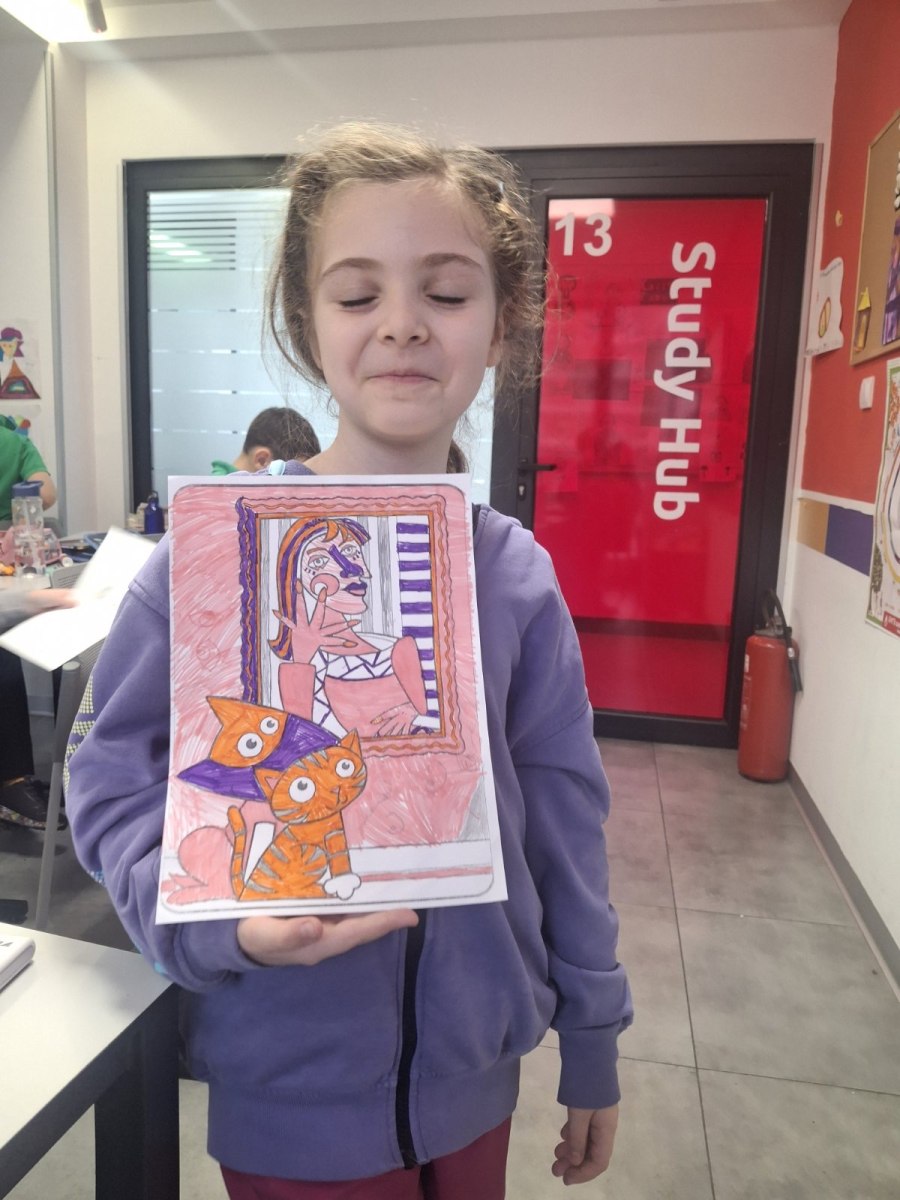
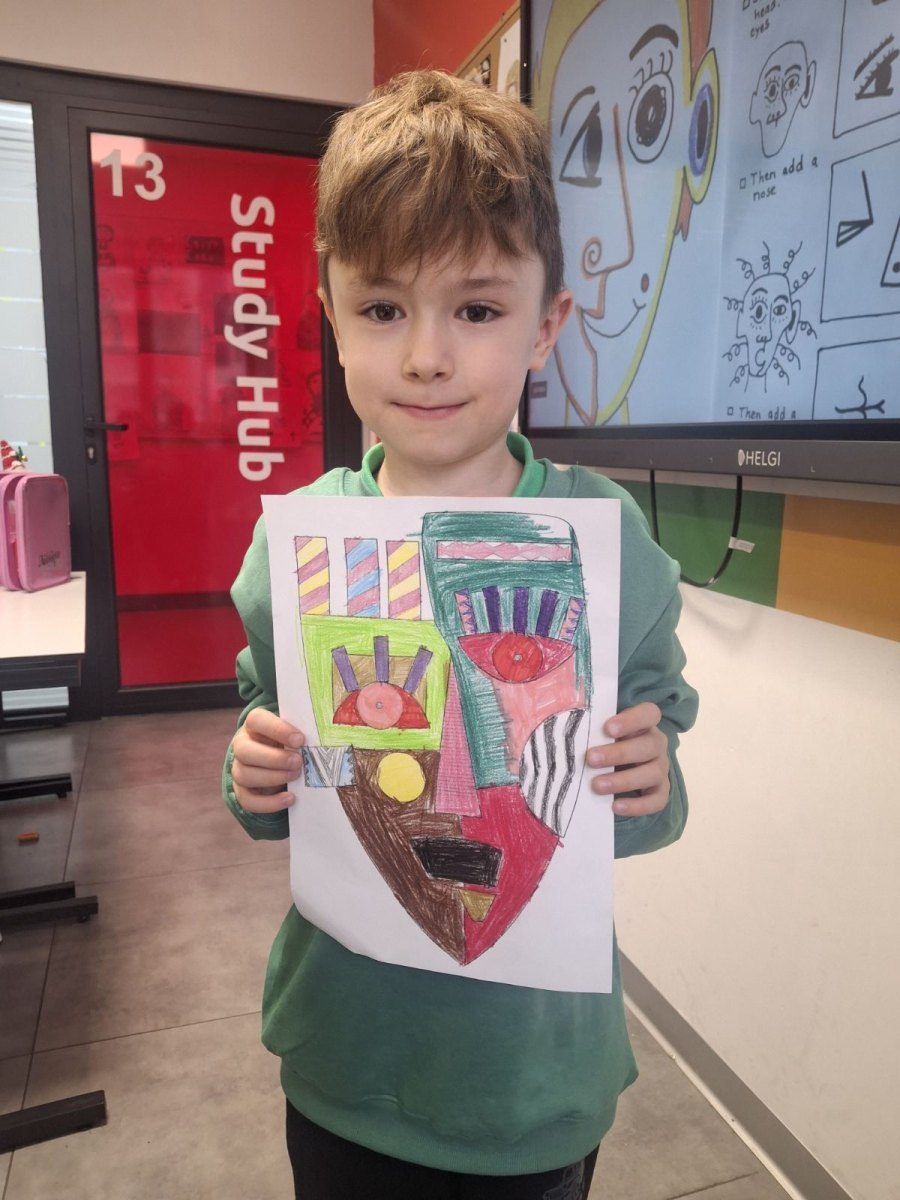
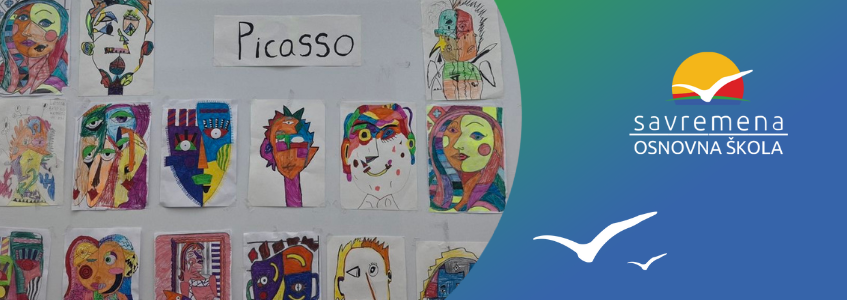
In the practical part of the class, classrooms transformed into small ateliers. Each student created a portrait inspired by Picasso’s approach – divided faces, asymmetry, unusual proportions, bold colors. Some opted for sharp contrasts and dynamic lines, others for gentler tones and patterns at play. The result? No two works looked alike. Although everyone started from the same assignment, each drawing carried the personal interpretation, temperament, and artistic courage of its author.

During the work, mistakes were allowed – even welcomed. A line that goes in an unexpected direction, a color that “doesn’t match,” a detail that looks strange – all of this became part of the process, an opportunity to create something authentic. It was precisely this freedom that gave students space to experiment, change, add, erase, and ultimately – to stand proudly with work that is theirs alone. Concentration, patience, and visual thinking weren’t just exercises in artistic technique, but the development of a way of thinking that extends beyond the classroom.

Art as a Way of Thinking

This class demonstrated how art education at Savremena Primary School transcends learning rules and techniques. Getting to know Picasso and cubism wasn’t a history lesson – it was opening a window to different ways of observing the world. Through art, students learn that there are many ways to see, express, and understand something. And that their perspective, their voice, their interpretation – have value.

The finished works, proudly displayed, testify to engagement, understanding, and creative freedom. Each portrait carries a story, emotion, and artistic decision. That’s what makes classes like these important – not just because of what is learned about Picasso, but because of what is learned about oneself.


Viber WhatsApp