




A Small Market in the Classroom – Talking About Healthy Food
Violeta Nincetovic / / Blog / May 19, 2026
A Small Market in the Classroom
Healthy Food Through Play
The students connected mathematics and The World Around Us in an interesting and creative way by turning their classroom into a cheerful small market. Through an activity that combined learning, play and everyday life situations, they showed that knowledge becomes much clearer and more meaningful when it is applied in practice.
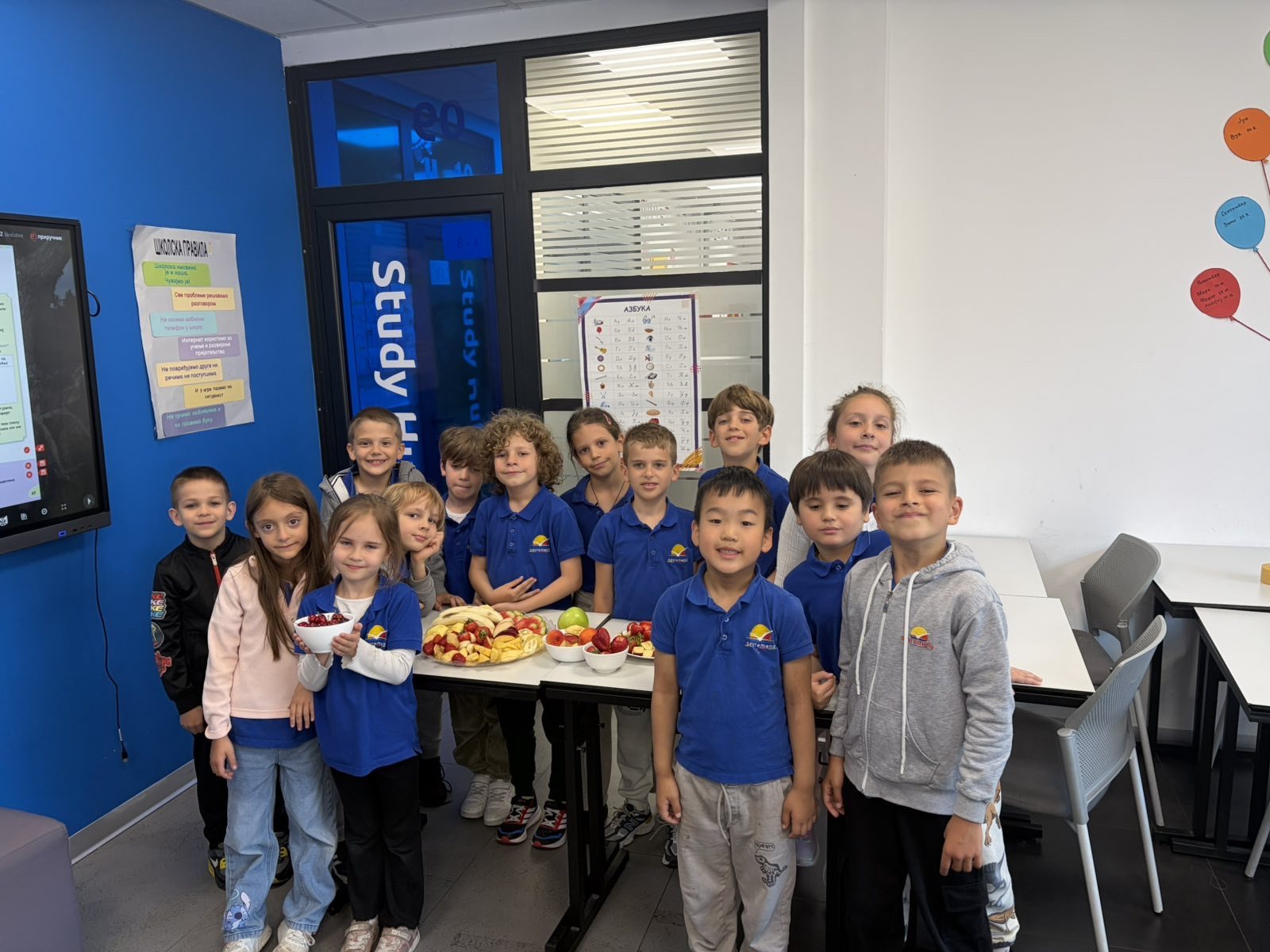
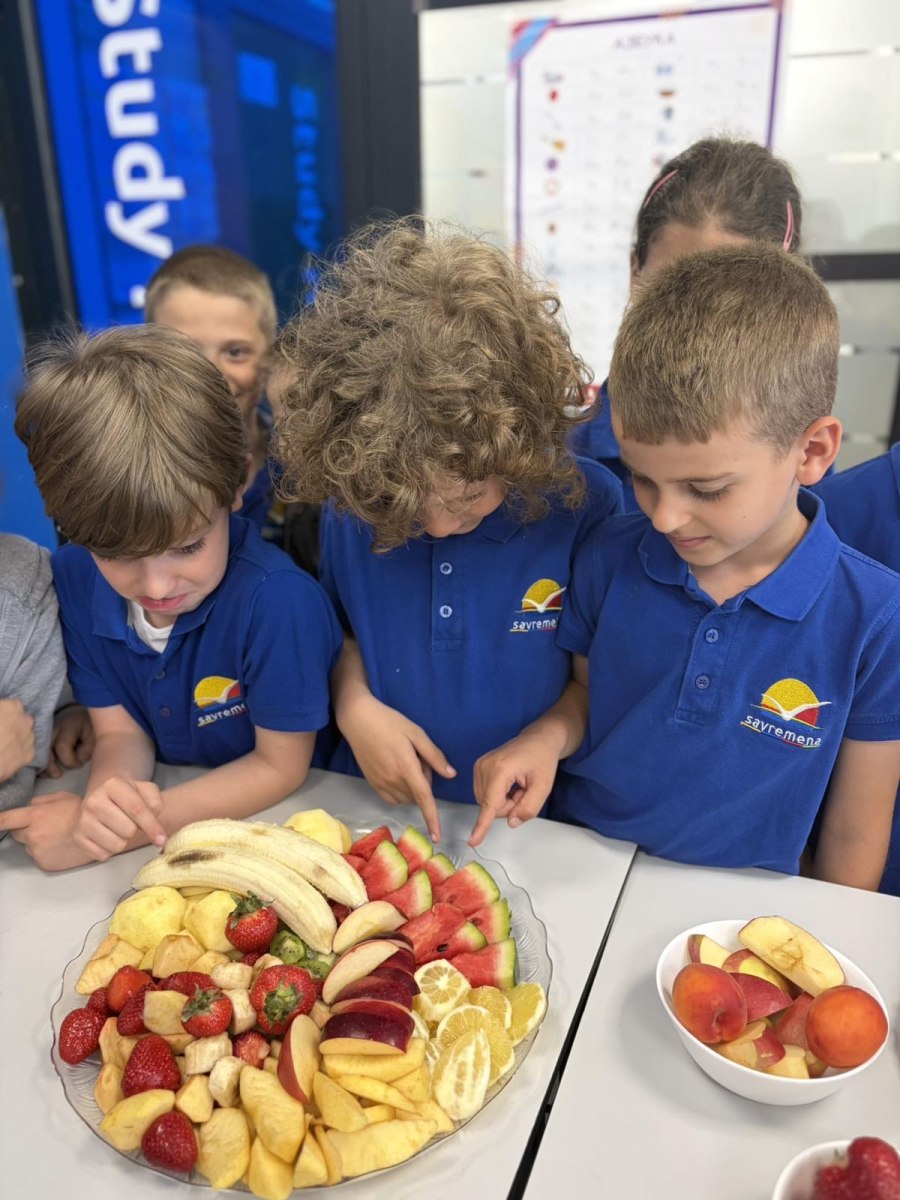
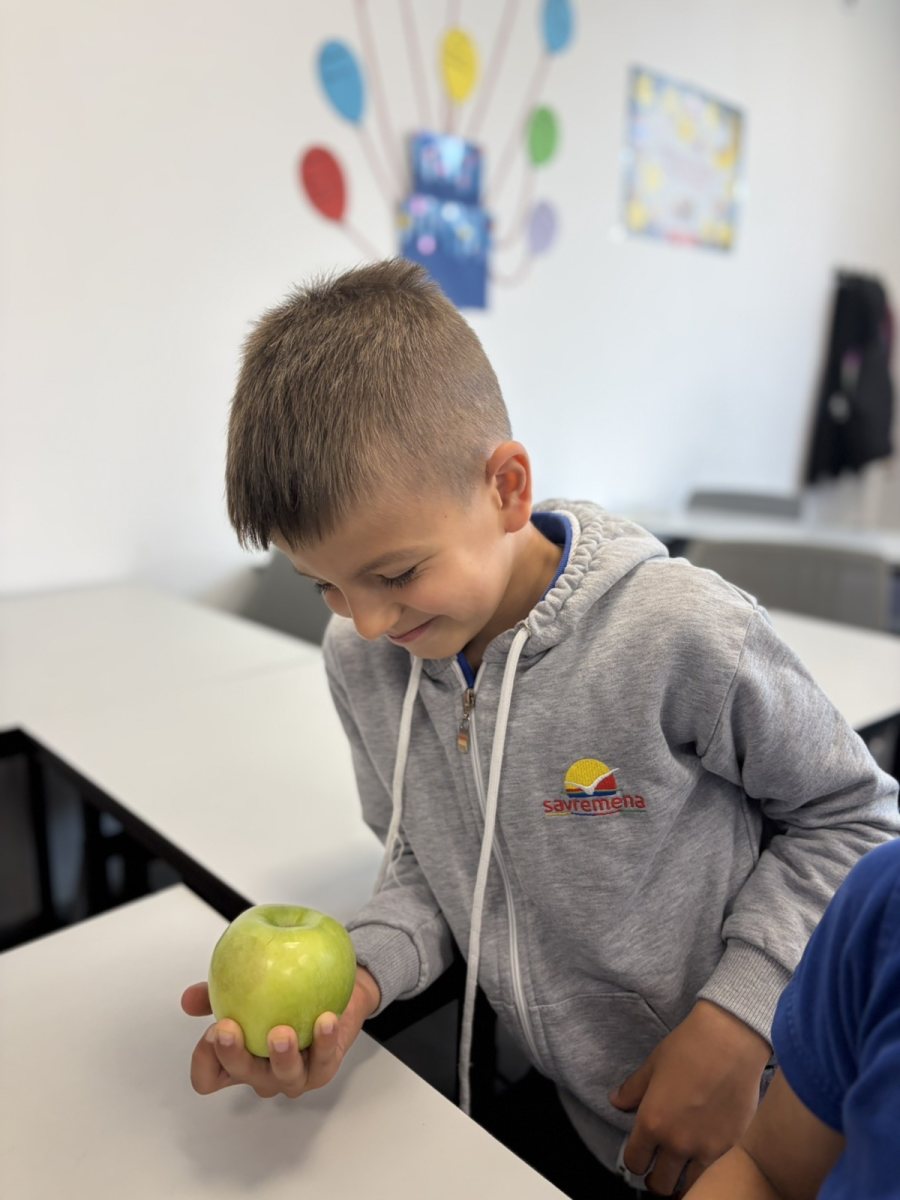
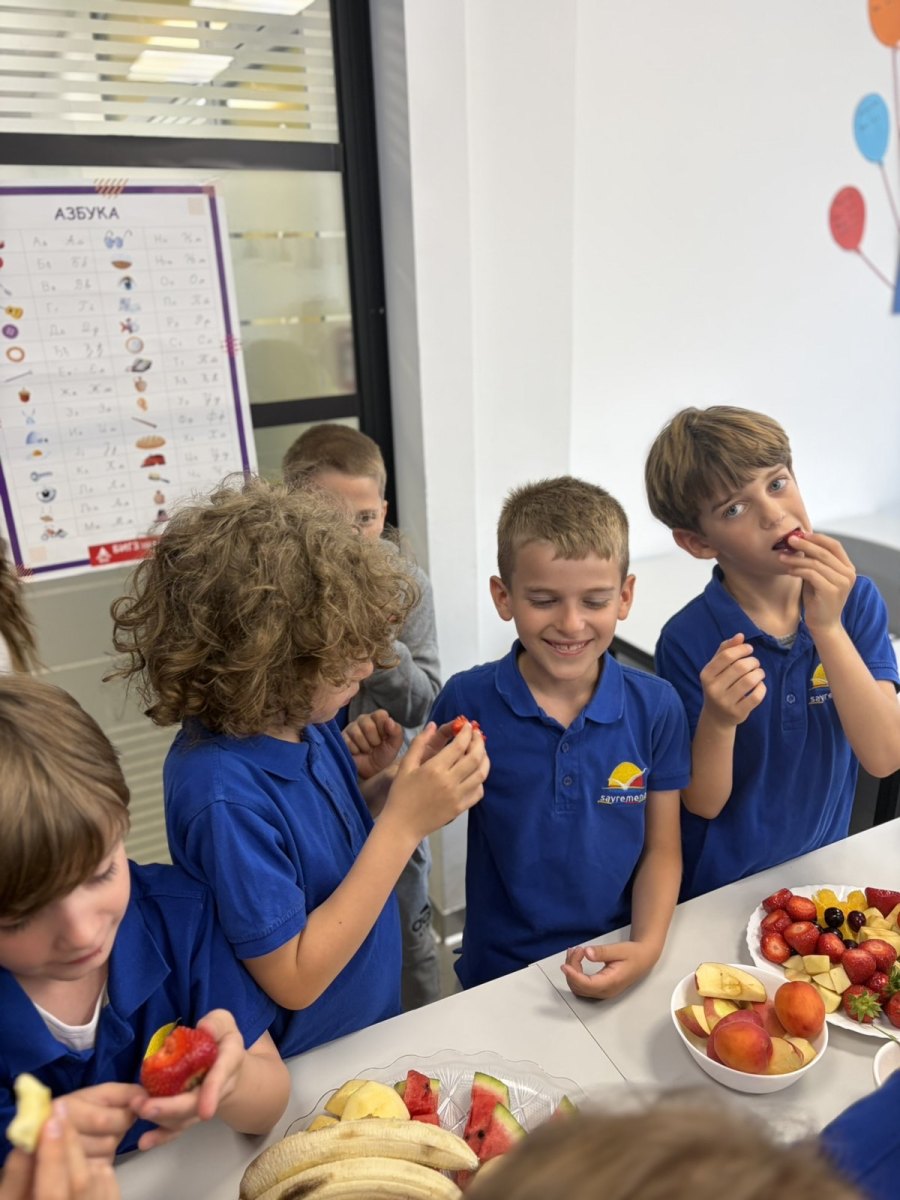
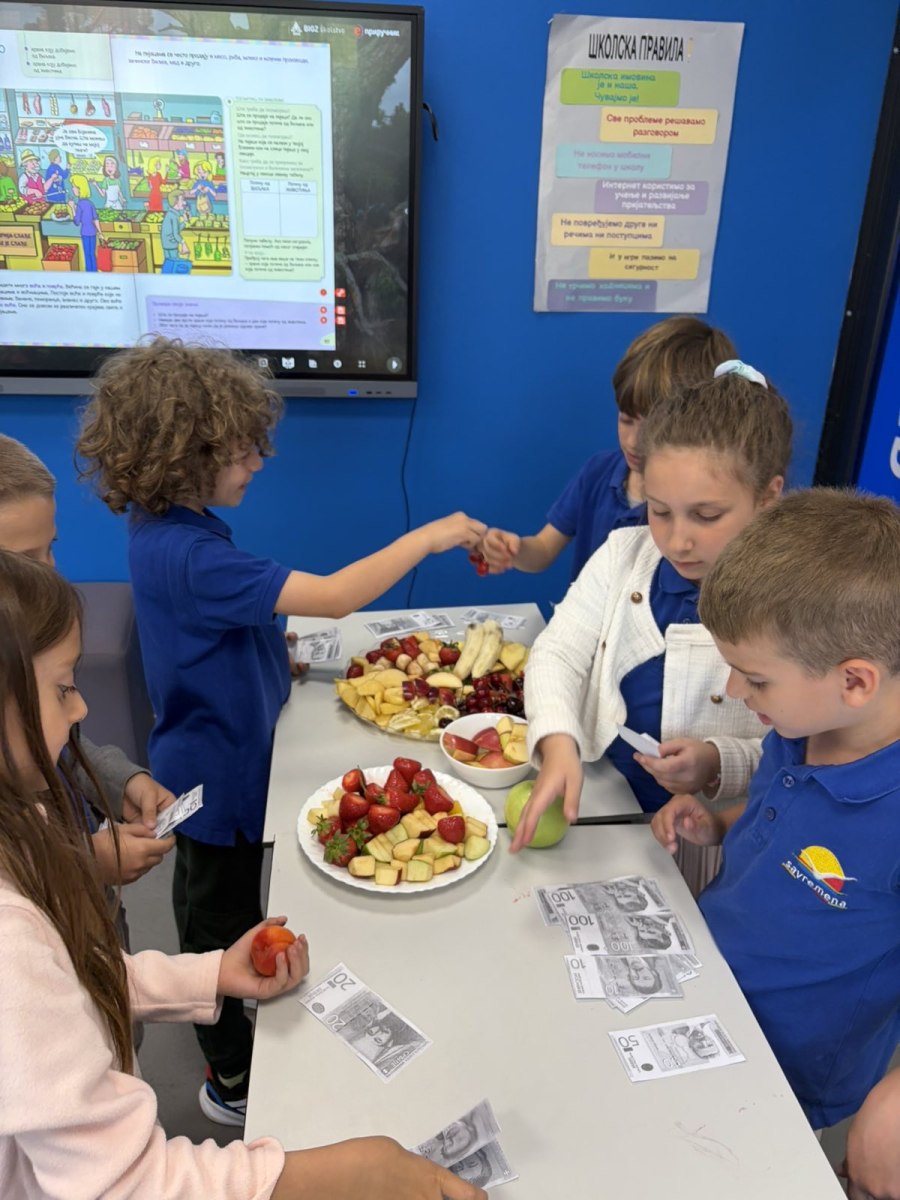
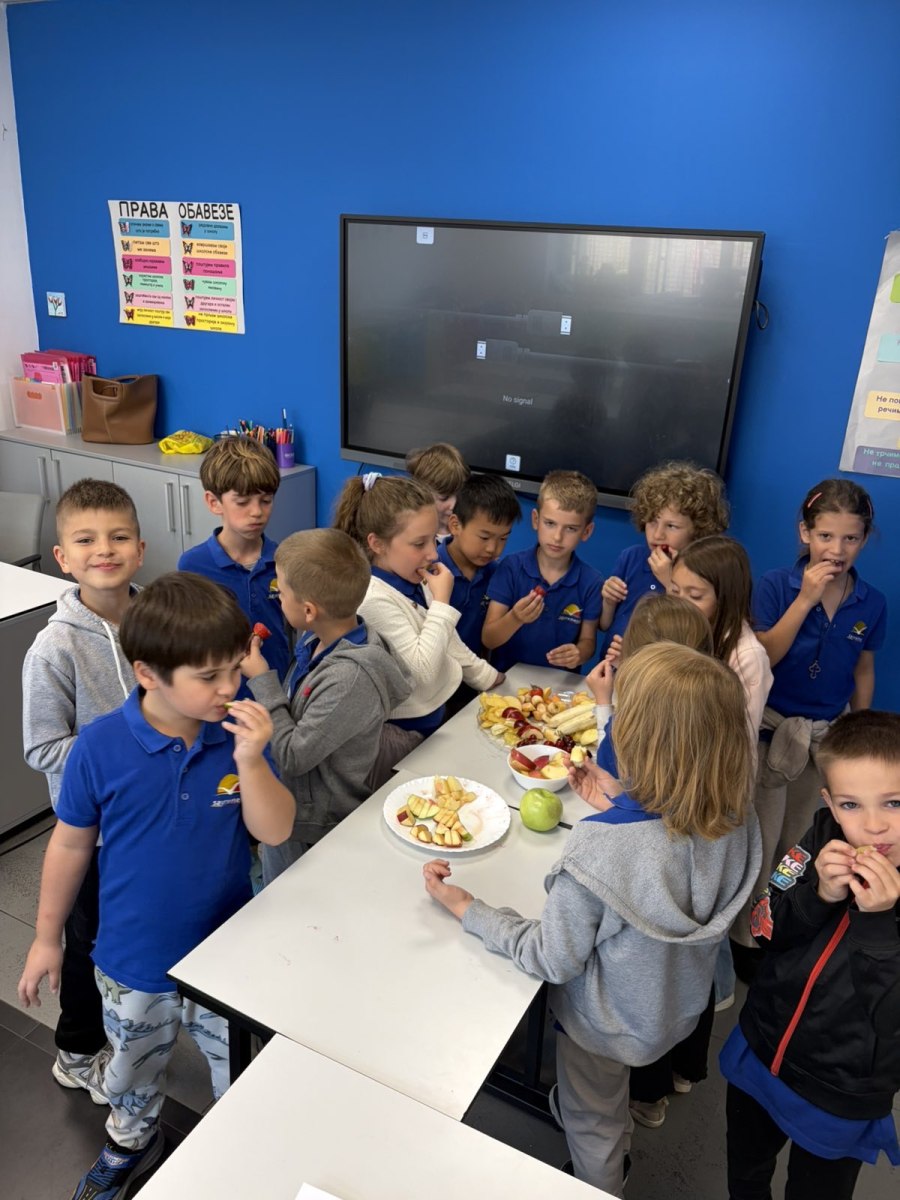
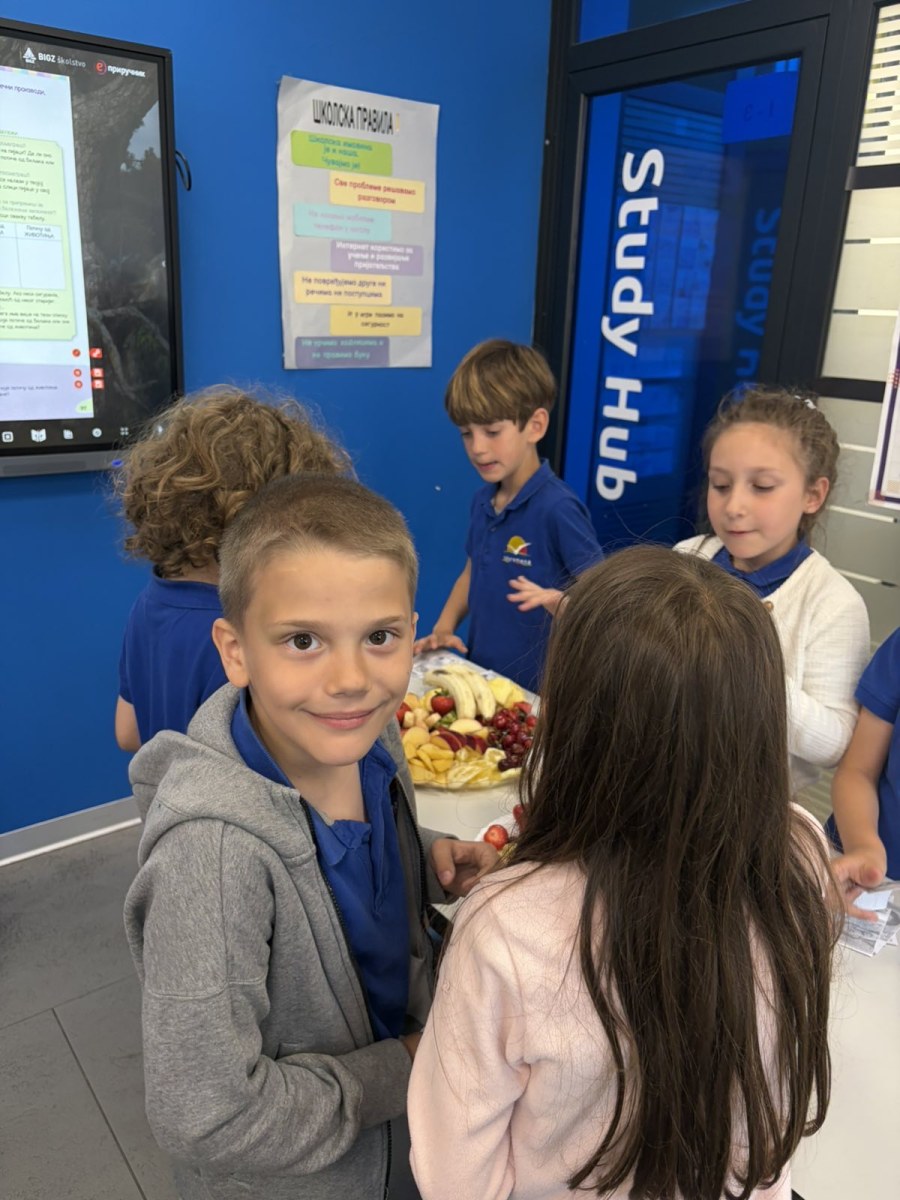
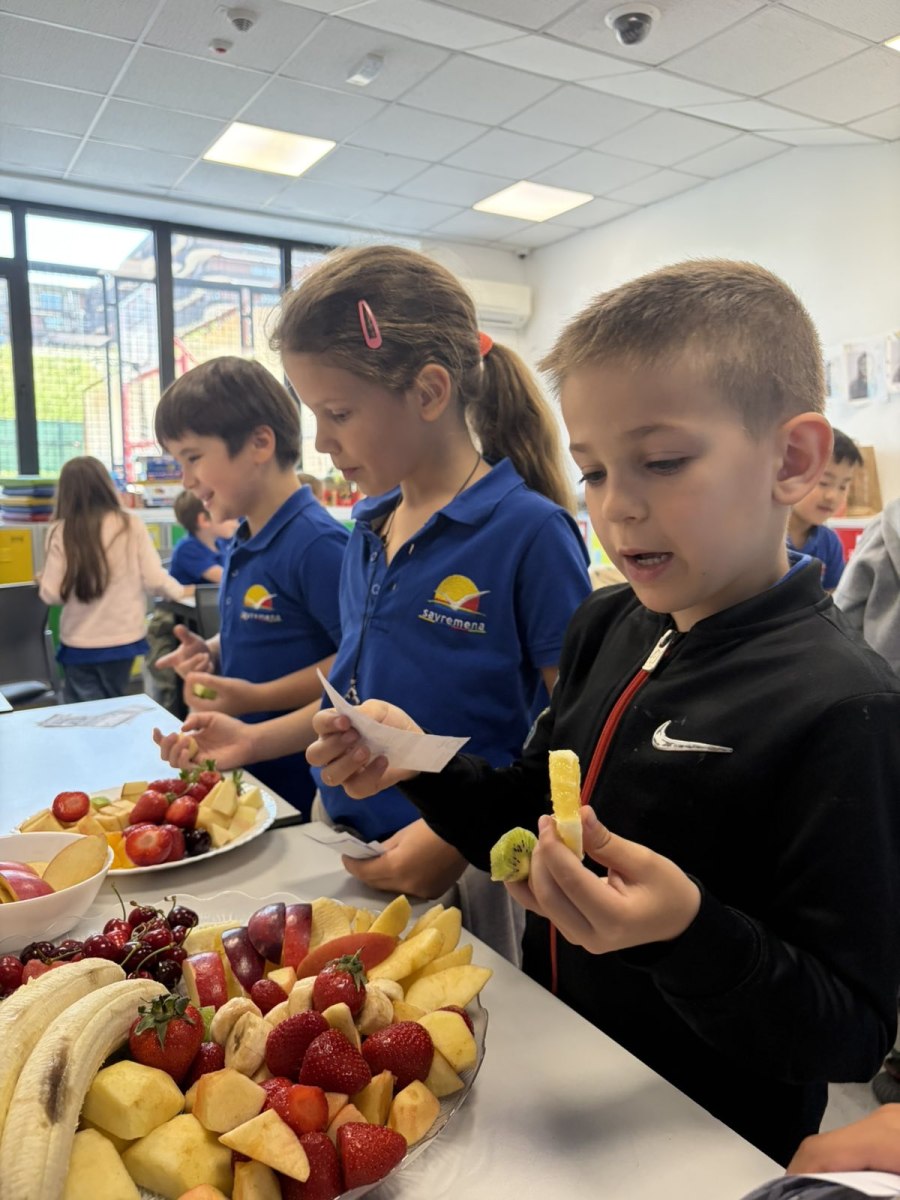
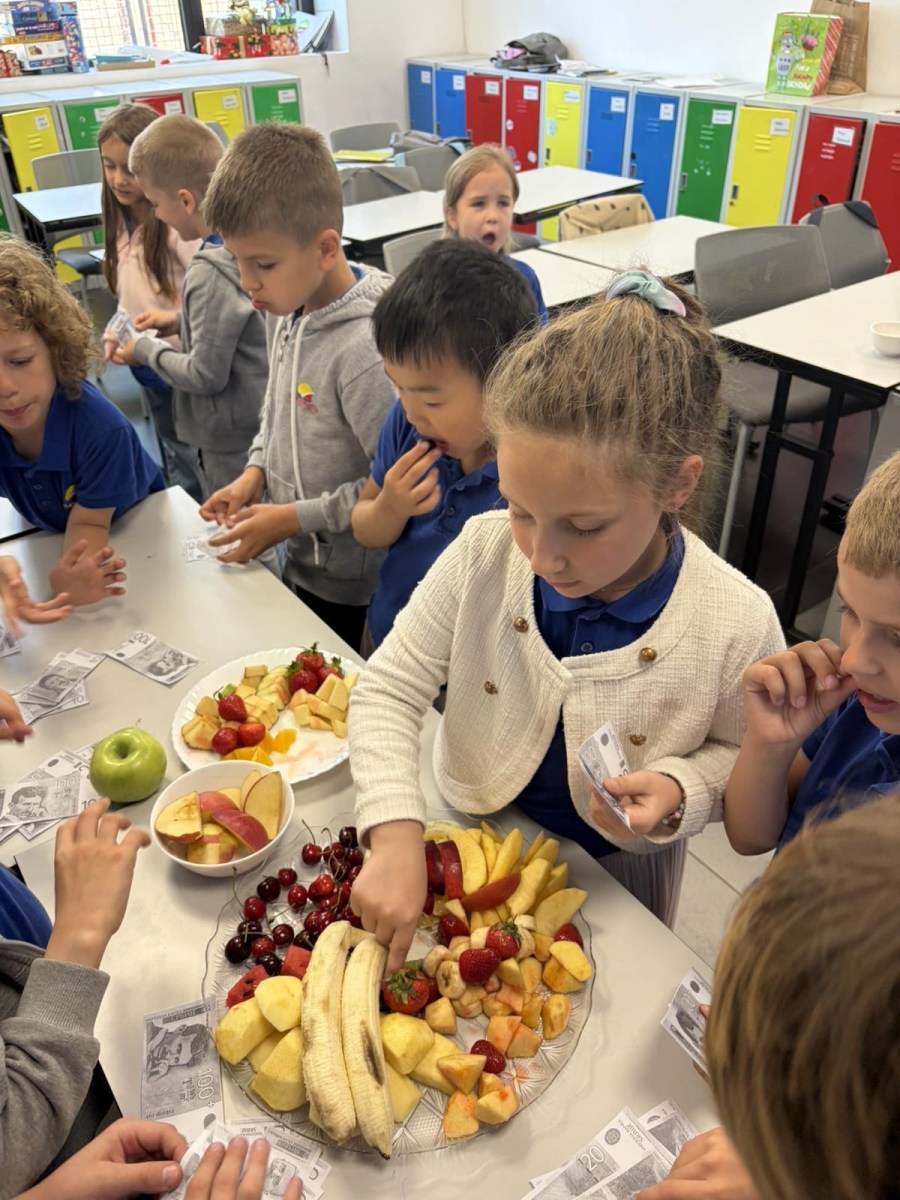
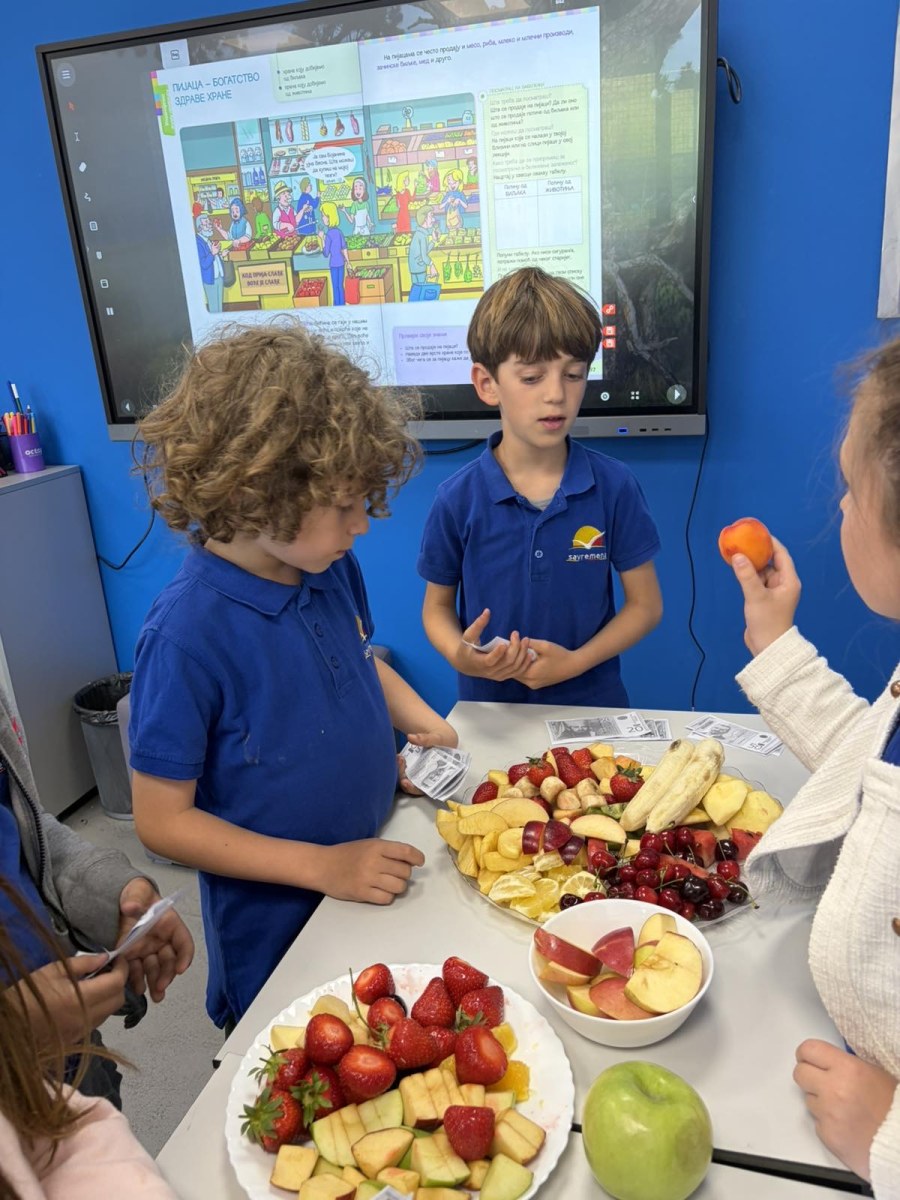
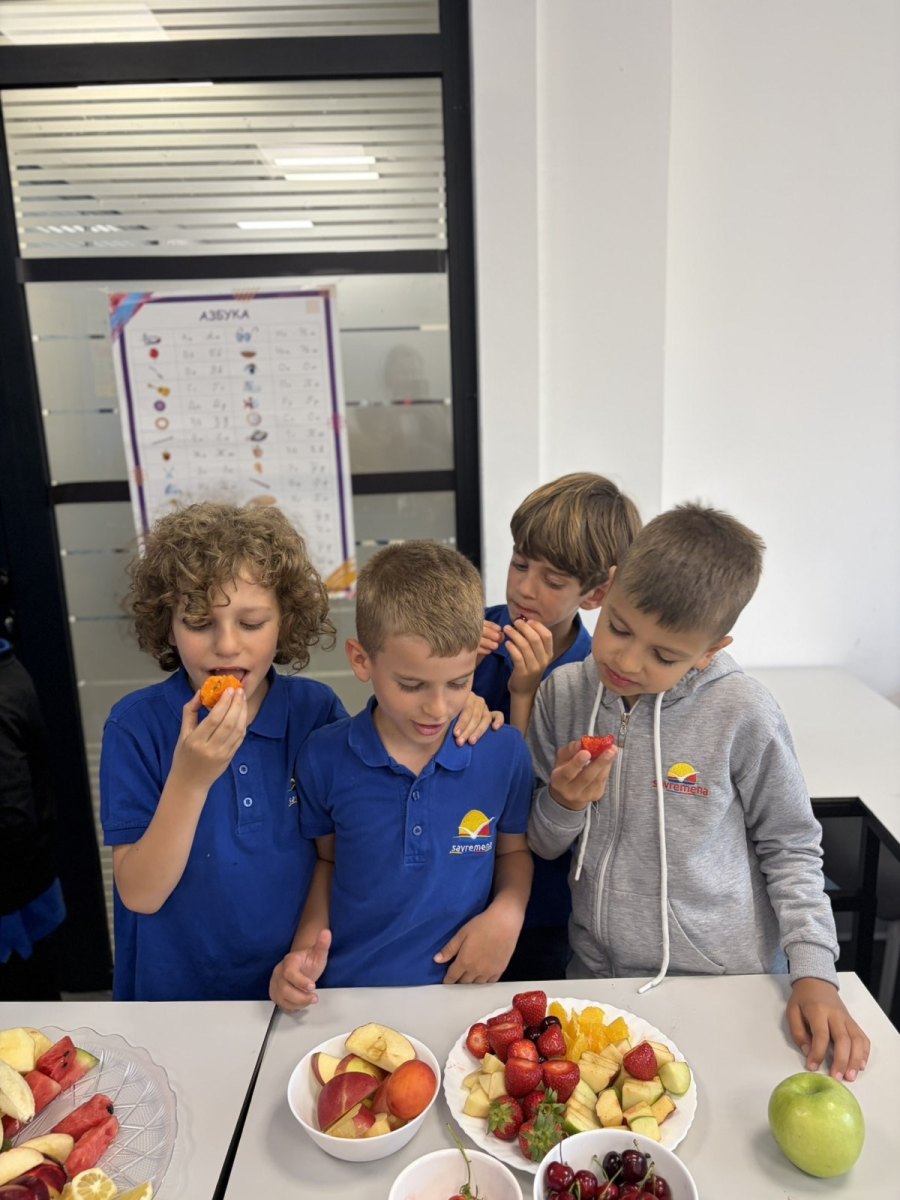
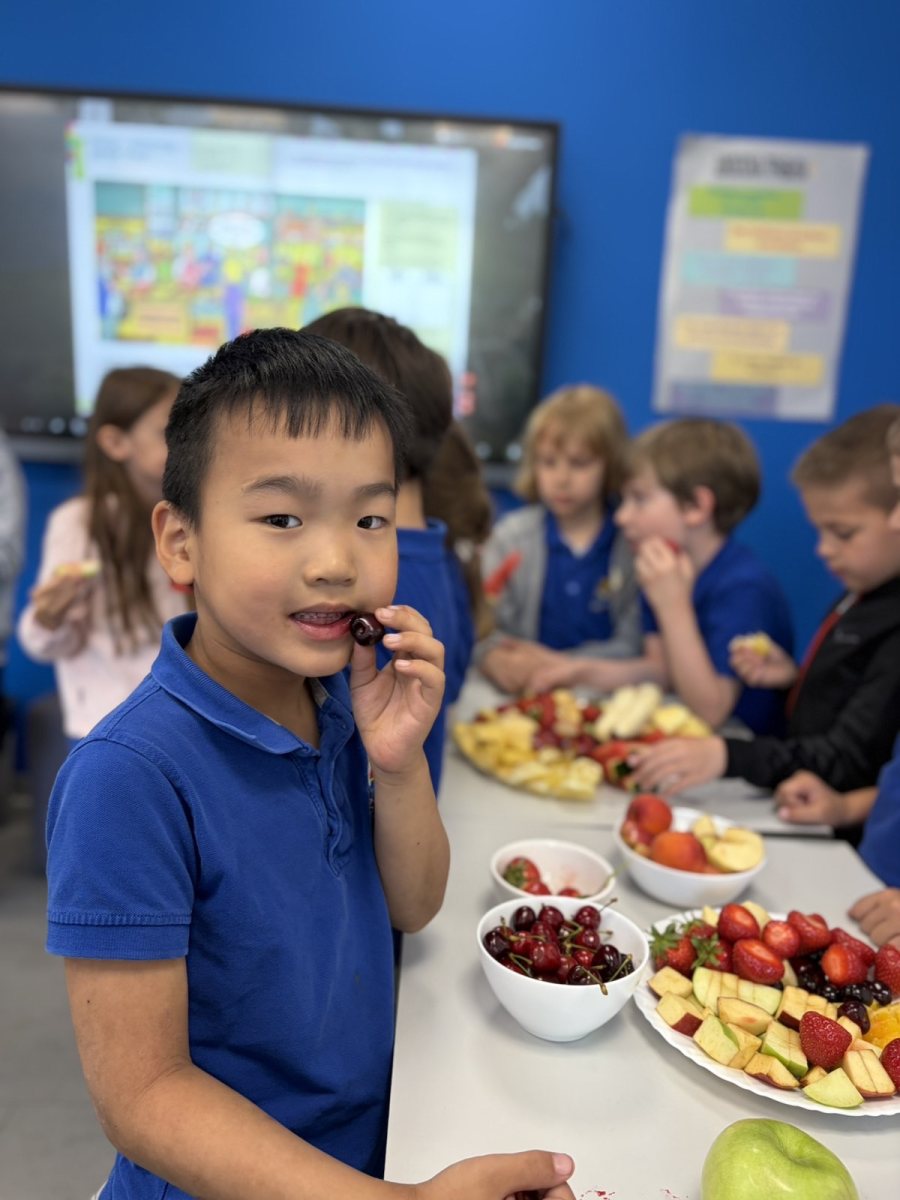
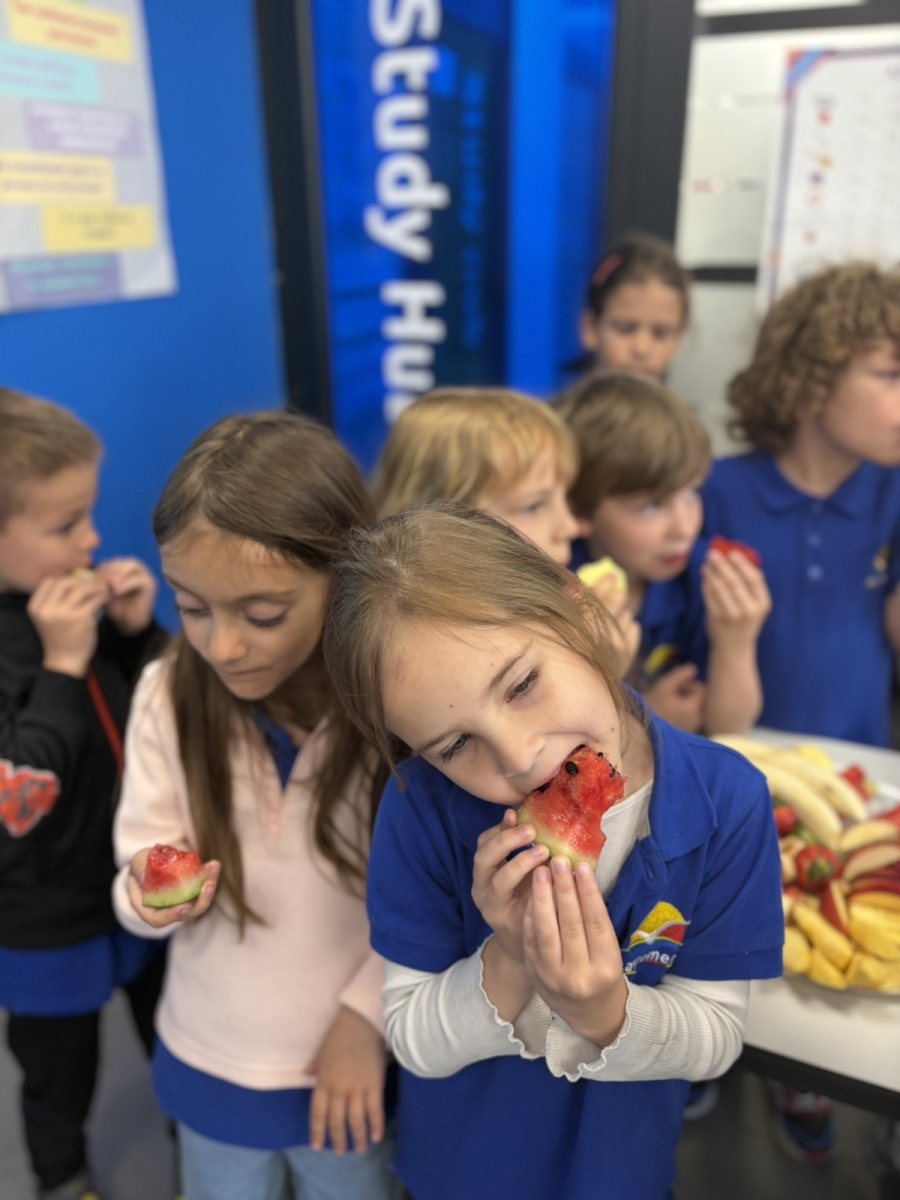
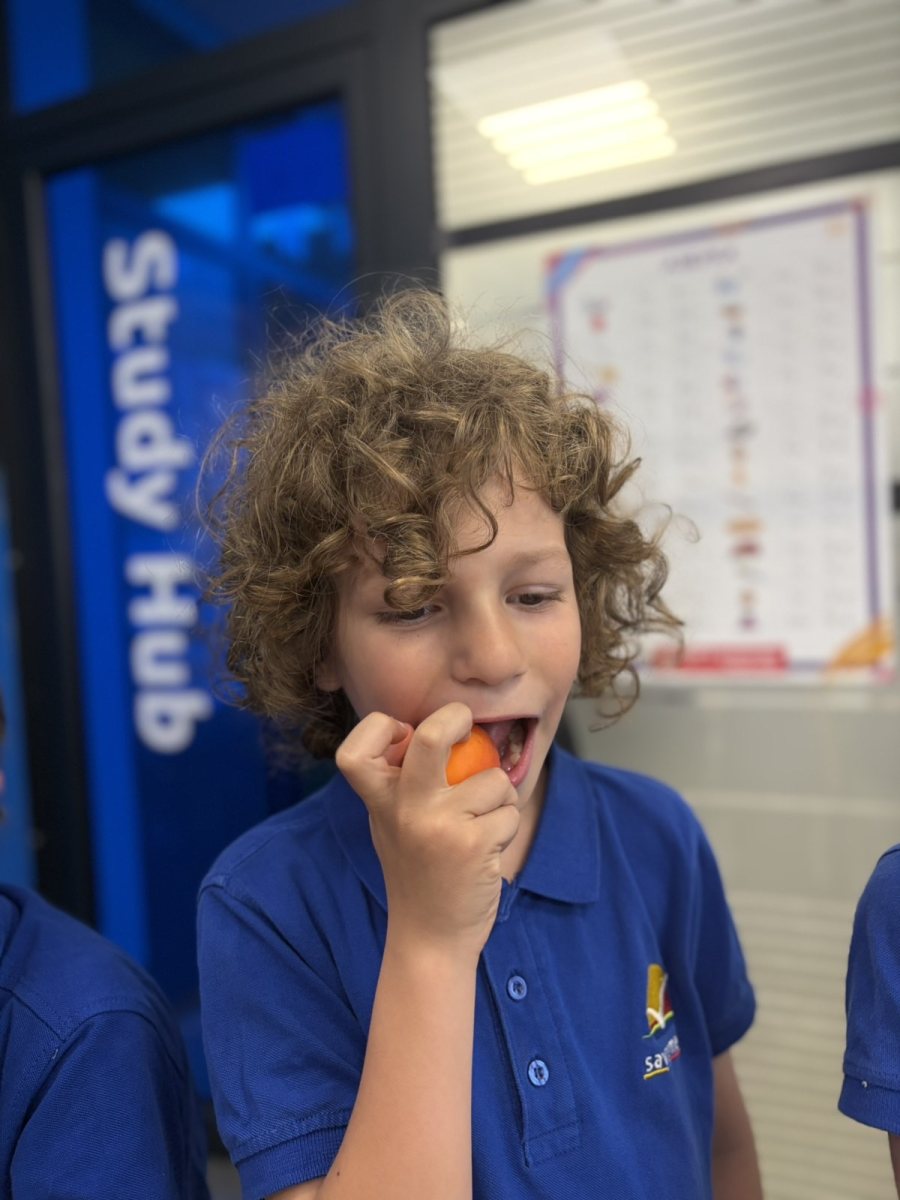
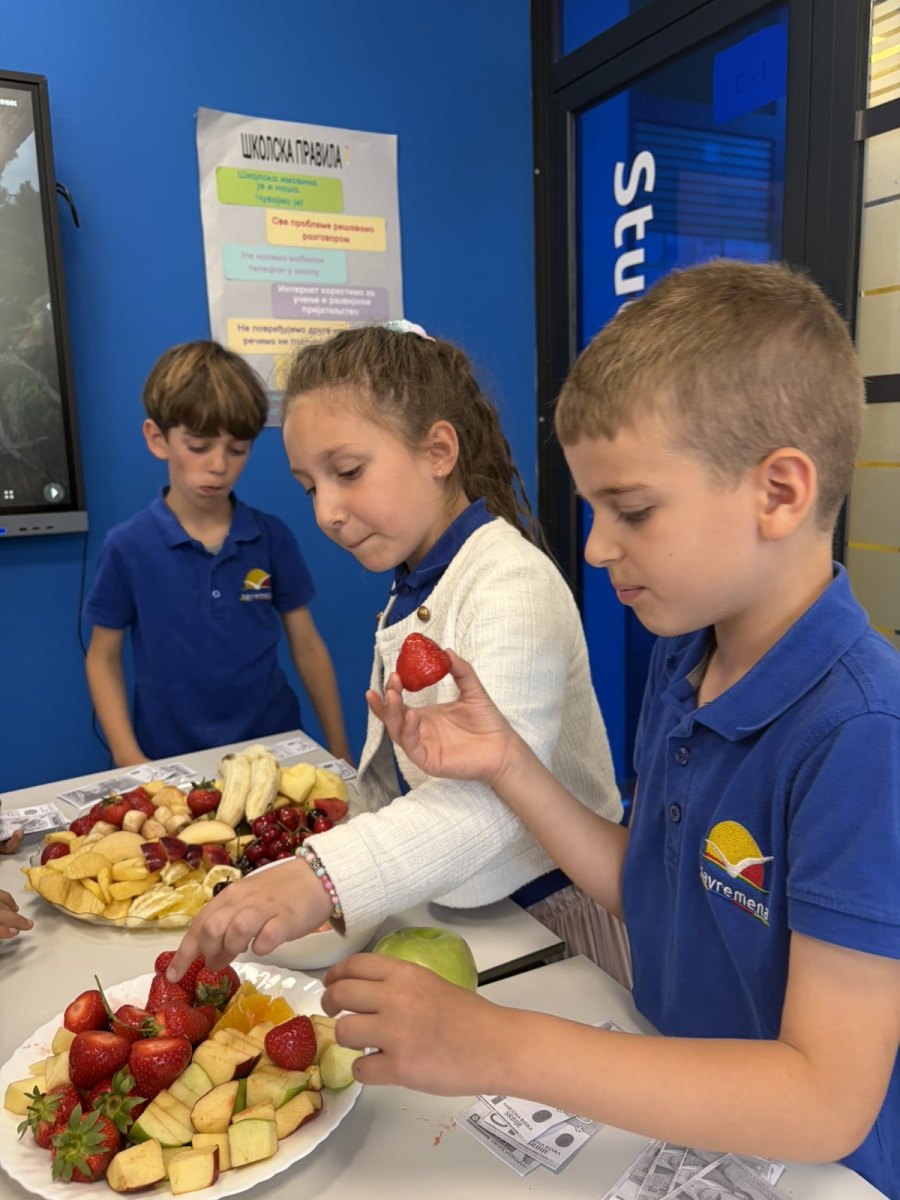
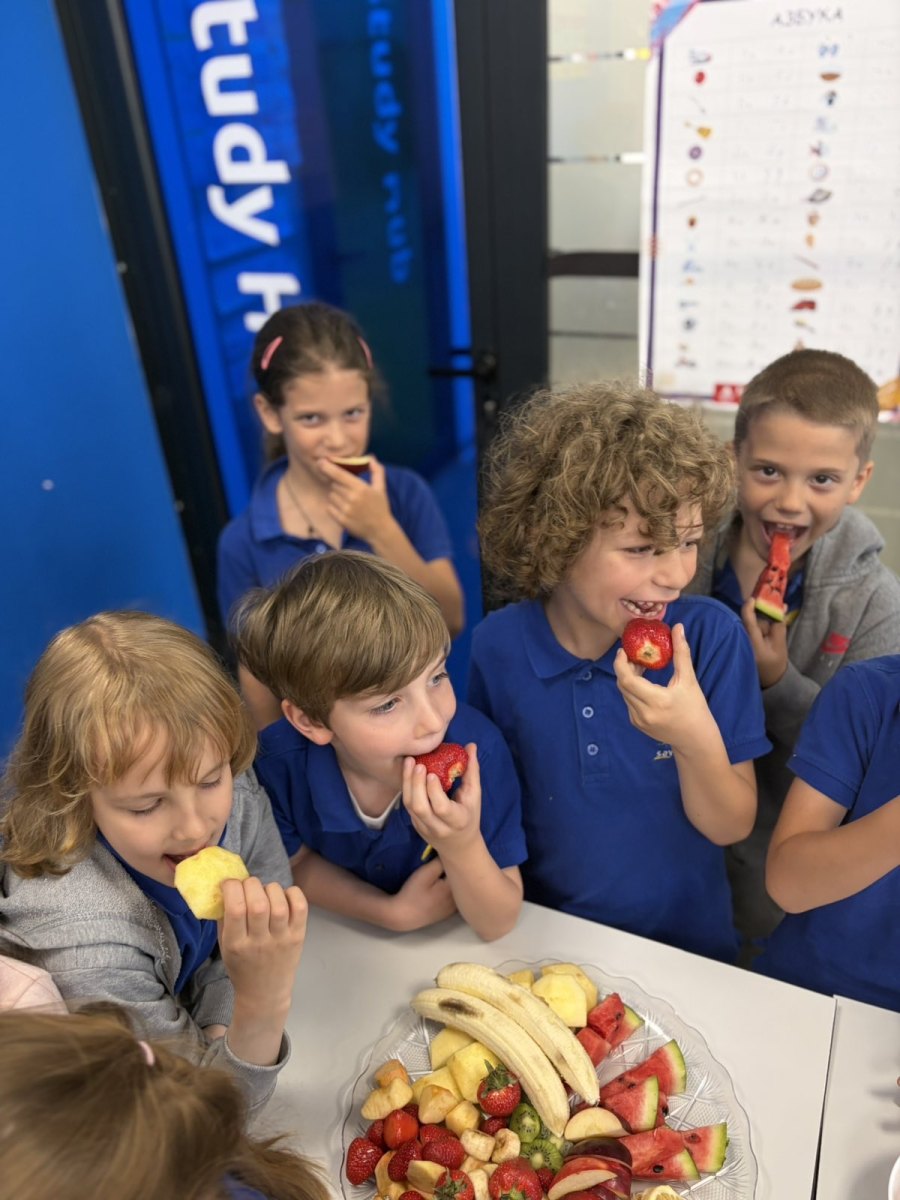
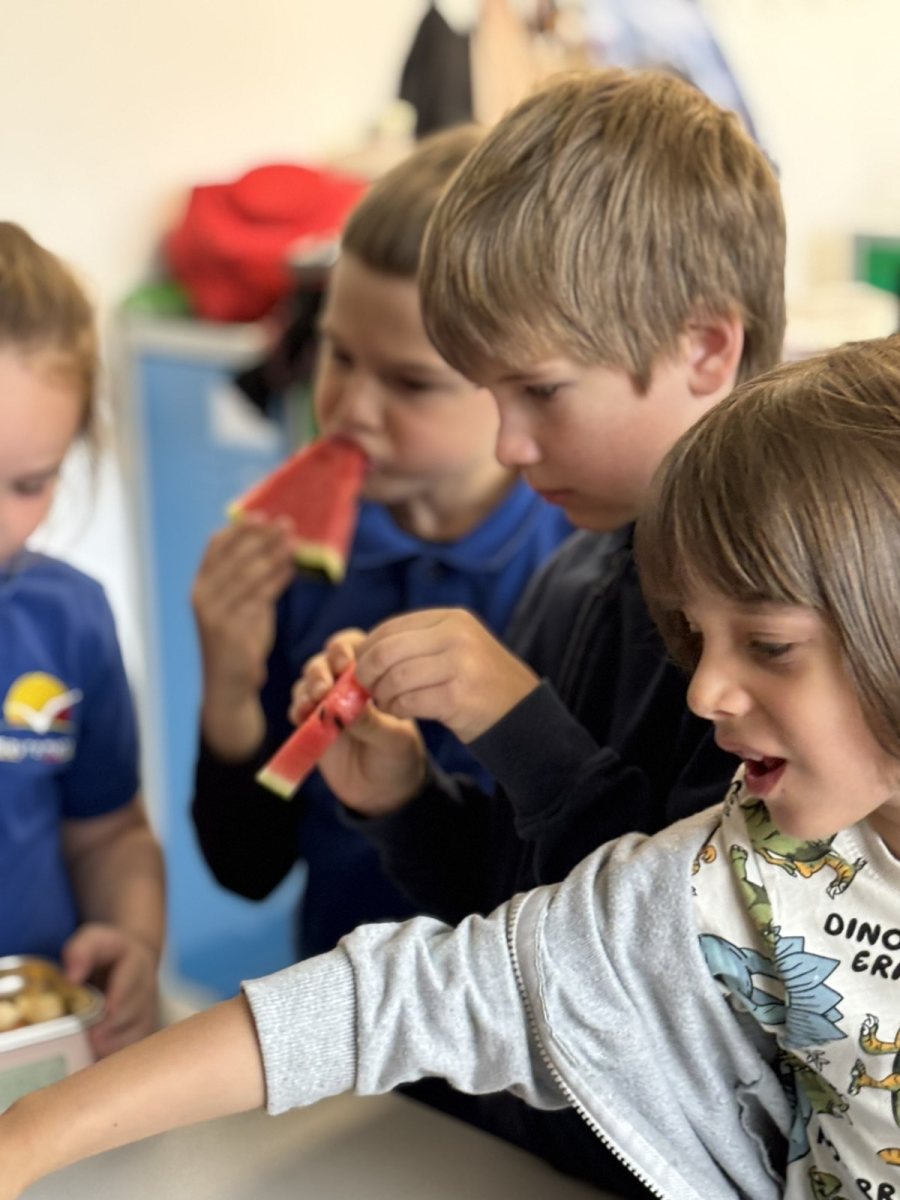
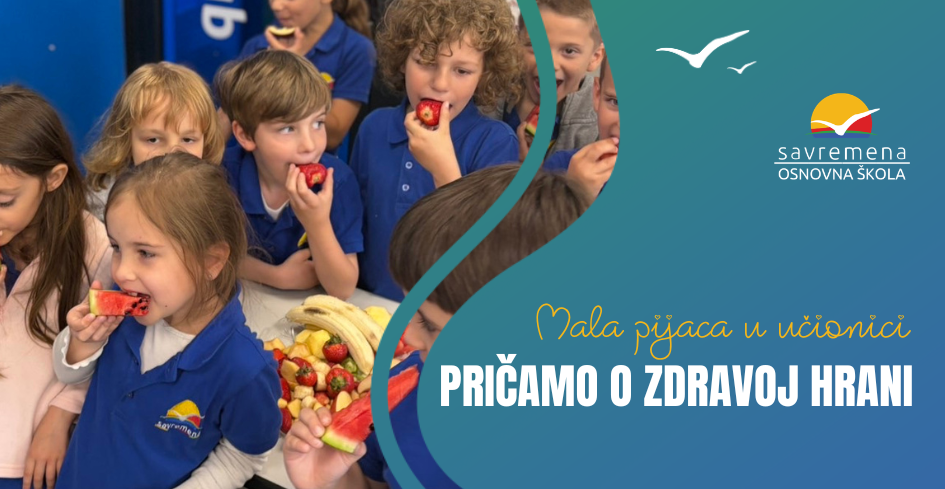
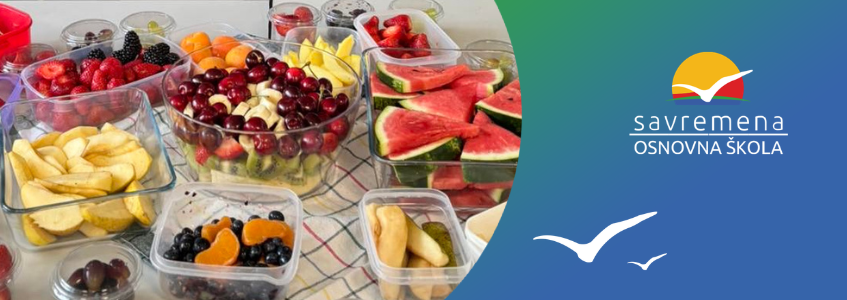
The topic of the World Around Us lesson was healthy food, so the students brought different kinds of fruit and vegetables. Apples, bananas, pears, strawberries, kiwi, watermelon, carrots and many other healthy snacks could be found on the tables. The classroom quickly became colourful, lively and full of positive energy, while the students were ready for a new learning adventure.
As part of the activity, the students talked about why it is important to eat healthy food, which foods give our bodies strength and how proper nutrition affects growth, development and mood. After that, they took on the roles of buyers and sellers, and the small classroom market could begin.
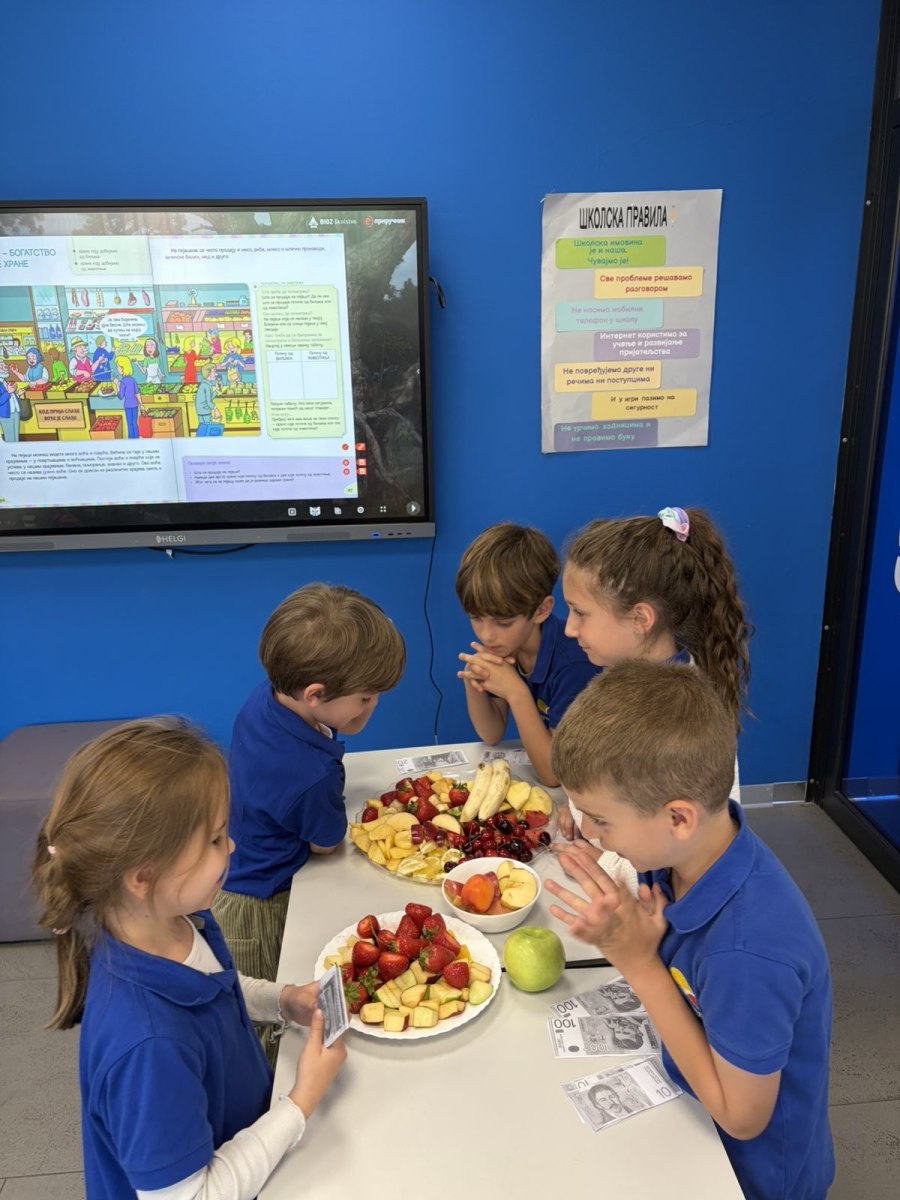
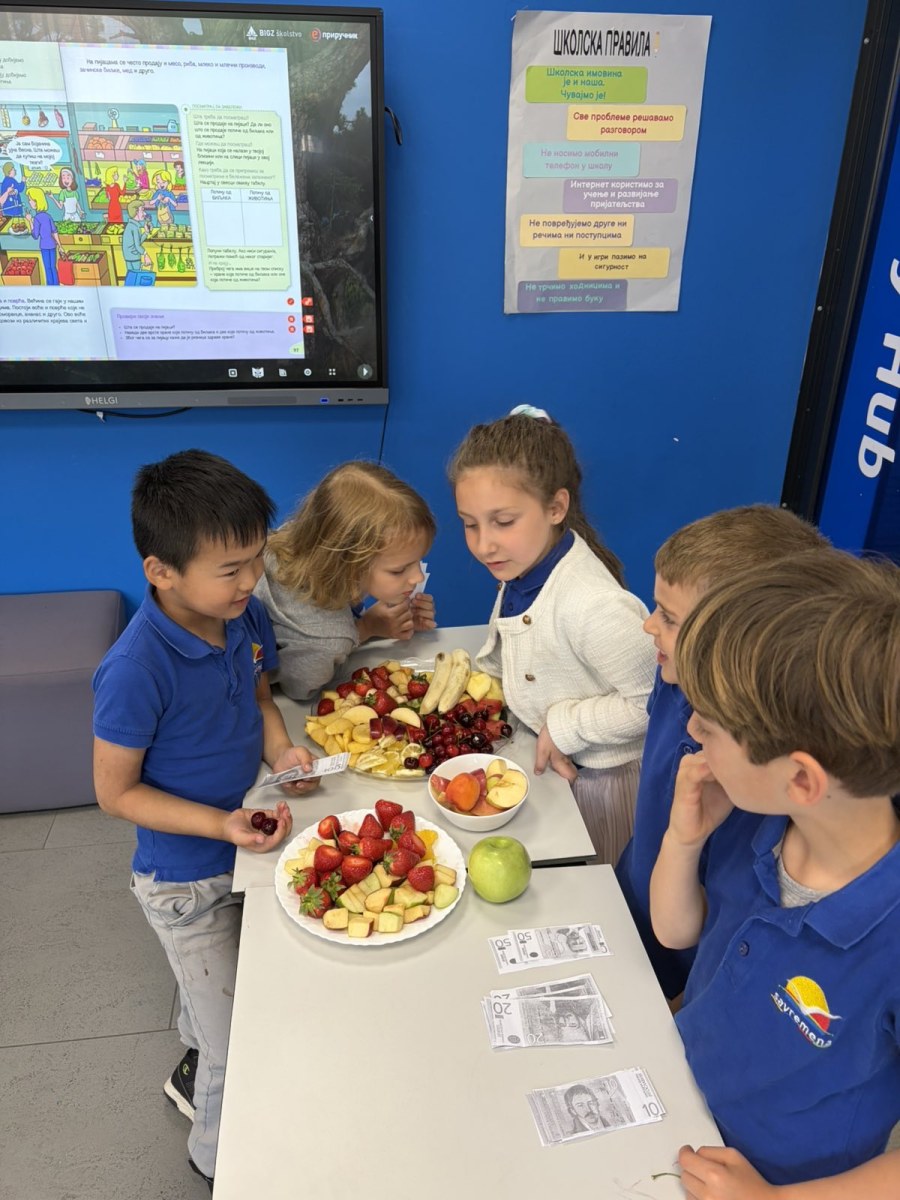
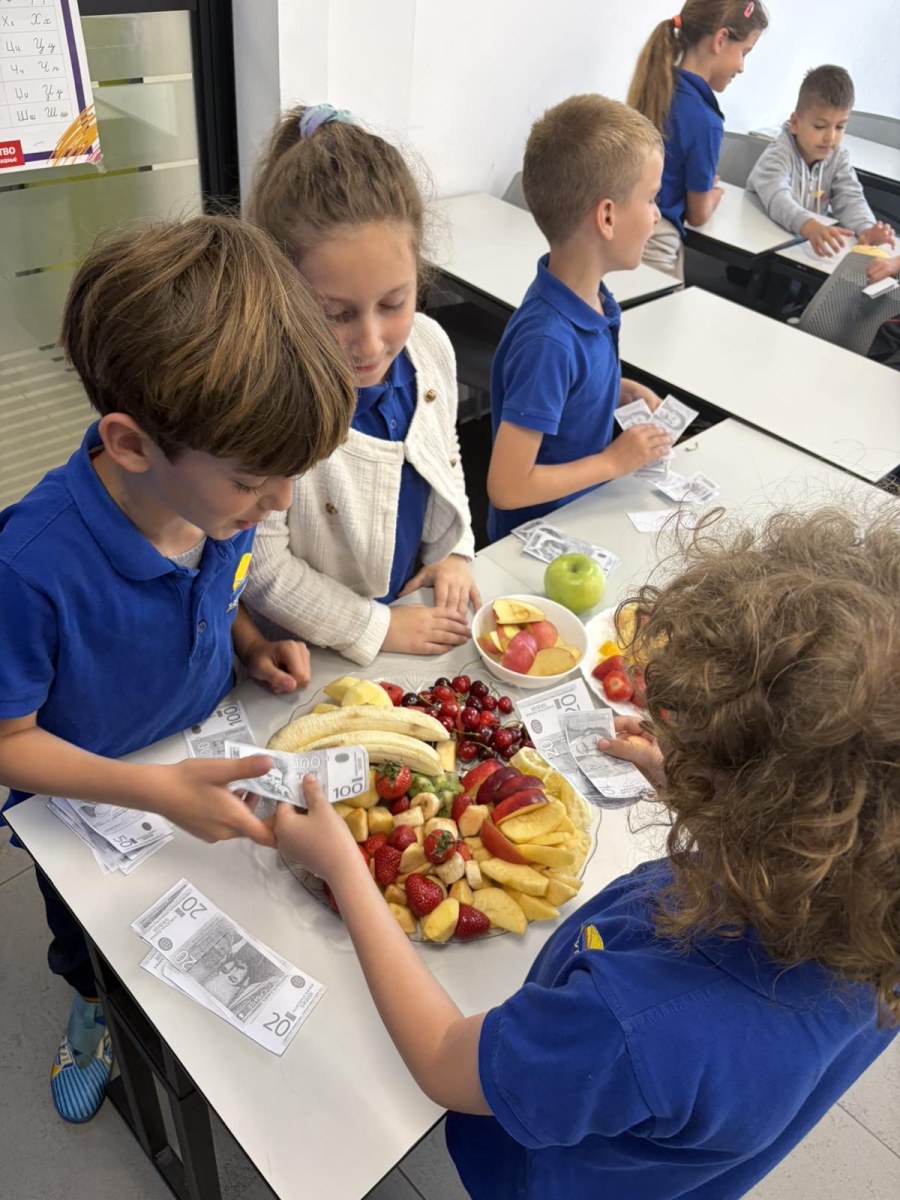
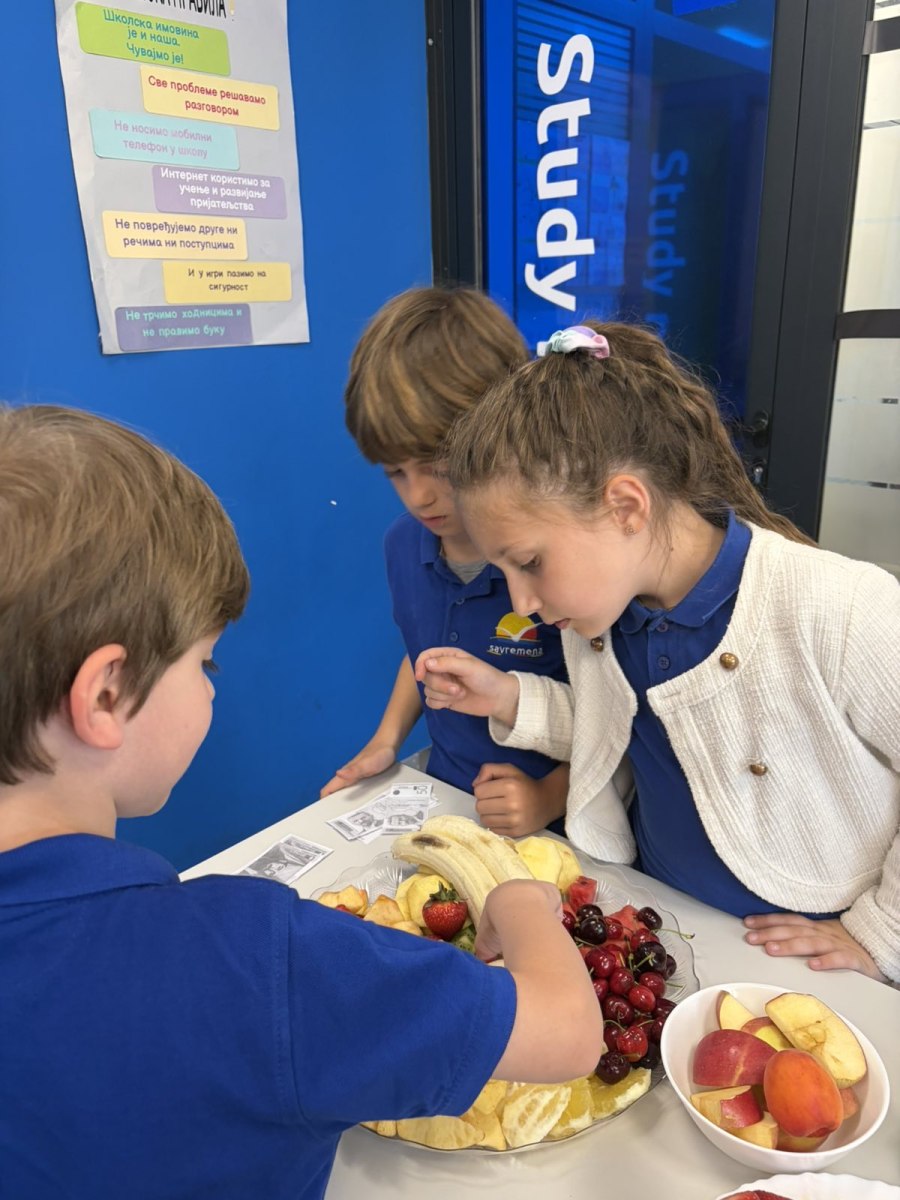
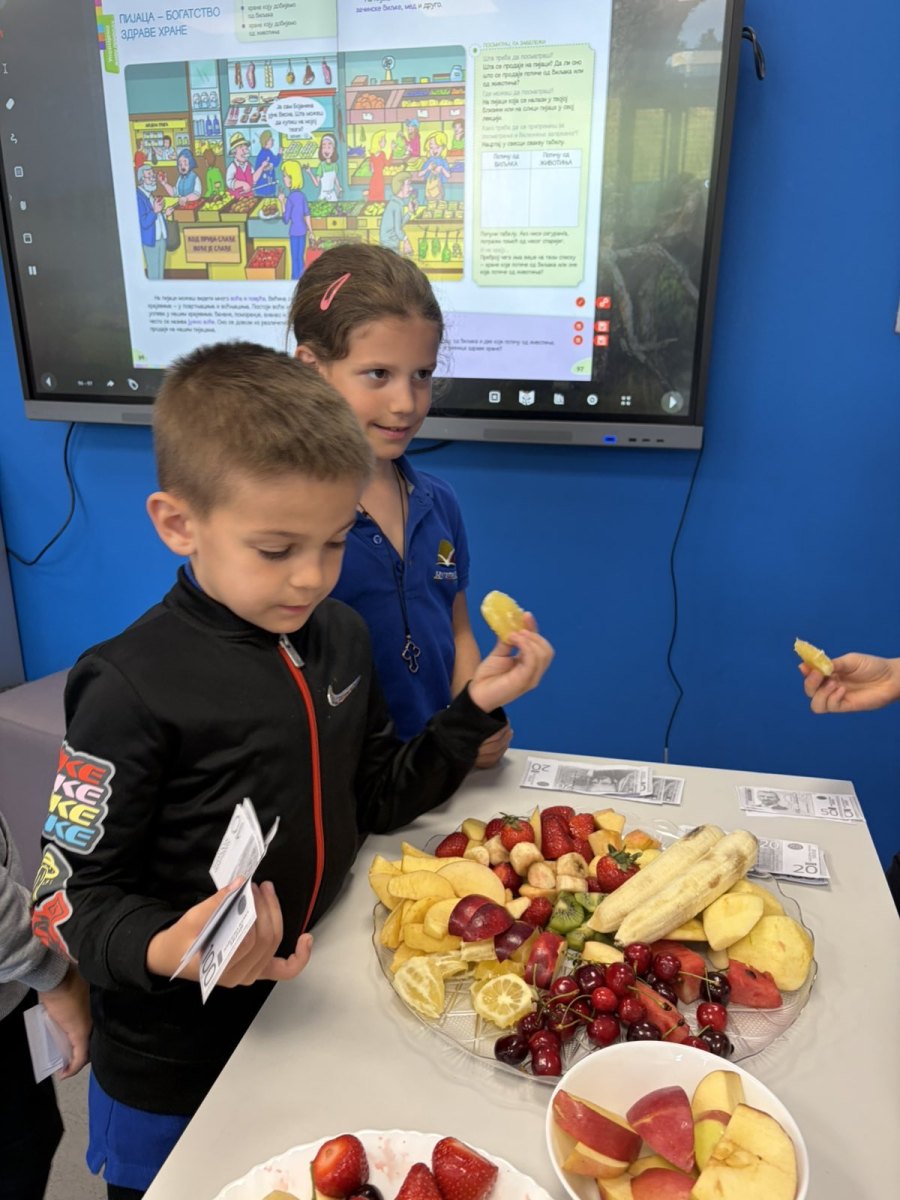
They bought and sold fruit and vegetables, practised addition and subtraction, exchanged “money” and learned how to manage everyday situations. In this way, they practised mathematics, communication and responsible behaviour through play.
When the Classroom Becomes a Place for Real Learning
Activities like this give students the opportunity to connect knowledge from different subjects into one meaningful and useful experience. While discussing healthy food, the students developed awareness of the importance of proper nutrition, while at the same time practising mathematical skills they use in everyday life. Addition, subtraction, comparing prices and making decisions became part of a game, and the game became the best path to knowledge.
The students did very well in the roles of buyers and sellers. They carefully chose fruit and vegetables, made agreements, asked questions, calculated and checked whether the purchase had been completed successfully. In this way, they developed independence, resourcefulness, communication skills and confidence in solving practical tasks.
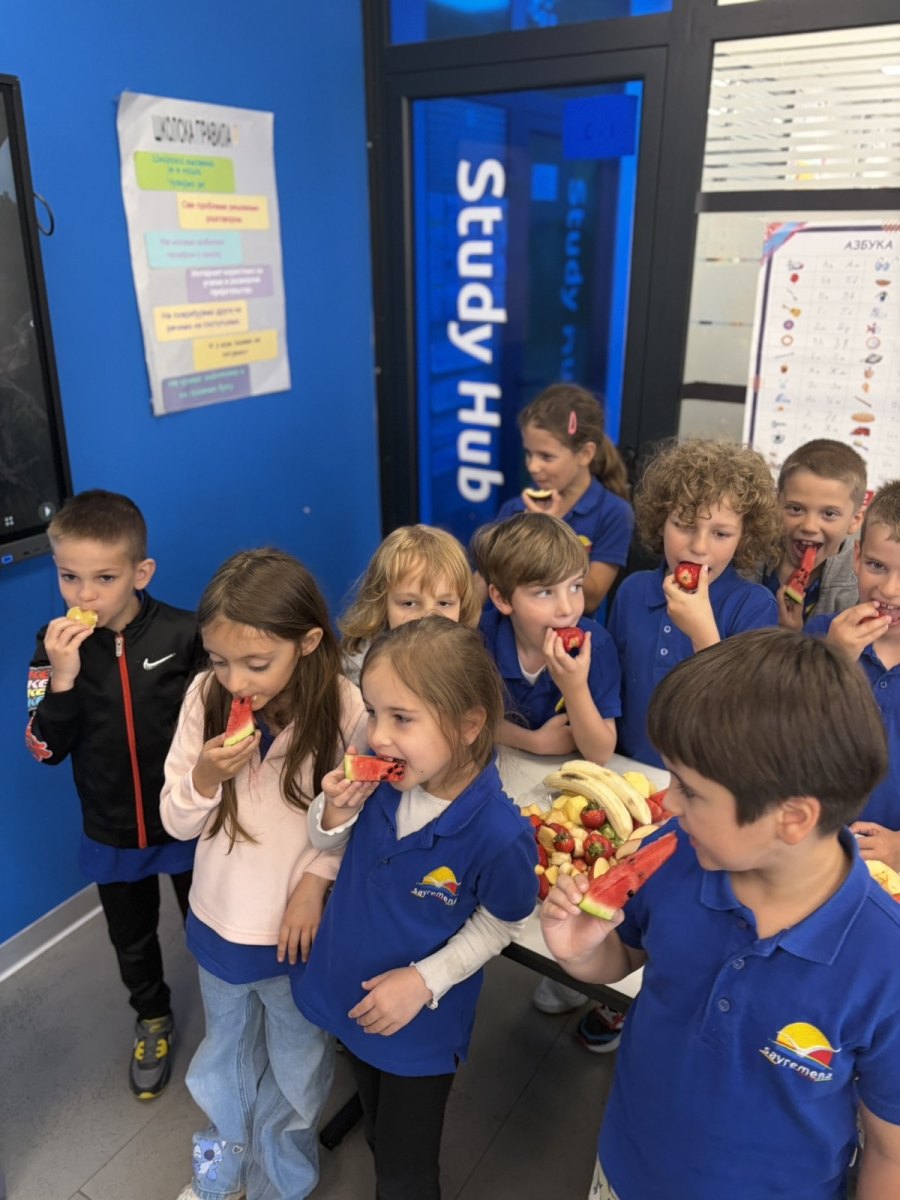
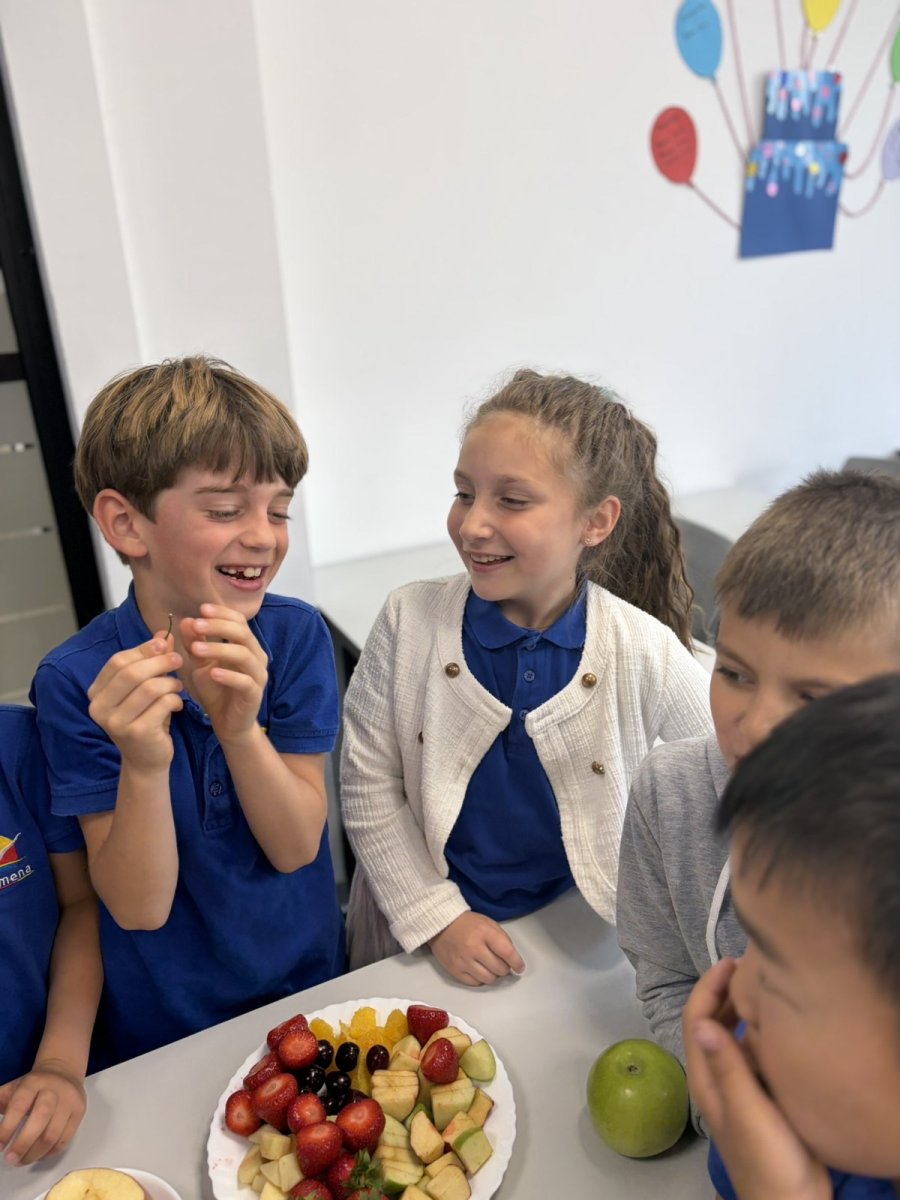
A particularly warm atmosphere was created when the students prepared a healthy table together. While enjoying the fruit and vegetables they had brought, they talked about flavours, favourite foods and healthy habits. The classroom was filled with smiles, colours and joy, and the students understood through direct experience how important healthy food is for all of us.
This lesson showed that learning does not have to be limited to books and notebooks. When knowledge is connected with the world children know, it becomes alive, useful and easy to apply.
Healthy Habits Begin at an Early Age
The “small market” activity was much more than a game. It helped students understand how classroom knowledge is used in everyday life and why it is important to be careful, responsible and thoughtful in our choices. Through buying and selling, they practised calculation, but also kindness, cooperation and agreement.
The conversation about healthy food encouraged them to think about the foods they eat every day and how they can choose what is good for their health. Fruit and vegetables became part of a wonderful learning story in which students learned with all their senses – they observed, touched, smelled, tasted and talked.
We are proud of the students who took part in this activity with great joy, curiosity and readiness to learn through experience. Lessons like this remain in memory because they connect knowledge, play and real life. Once again, we showed that the classroom can become a true place of exploration, discovery and the development of healthy habits.